

Hey there! As a supplier of Non Woven Honeycomb Panels, I often get asked about the weight per square meter of these panels. It's a crucial question, especially for those looking to use these panels in various applications. So, let's dive right into it and explore what affects the weight and how you can figure out the weight per square meter.
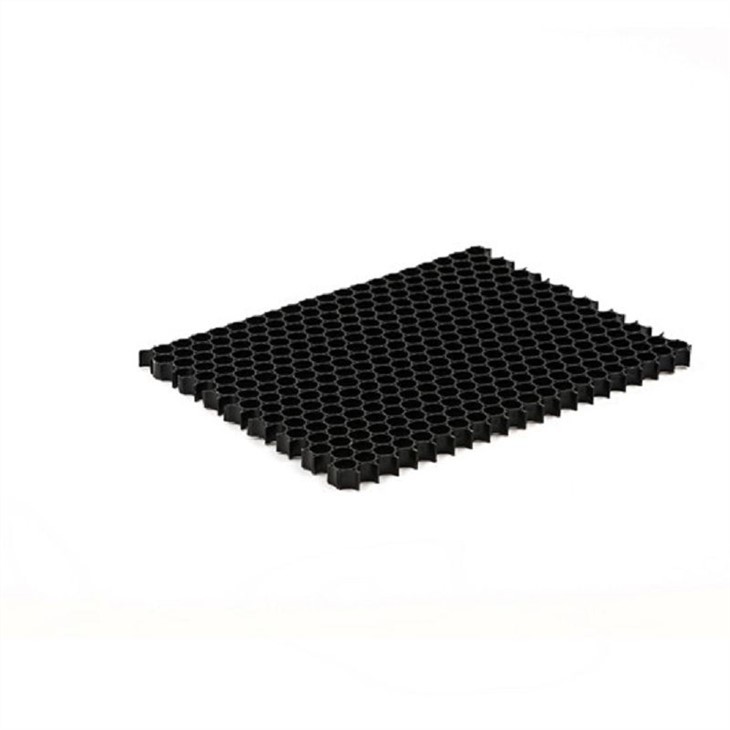
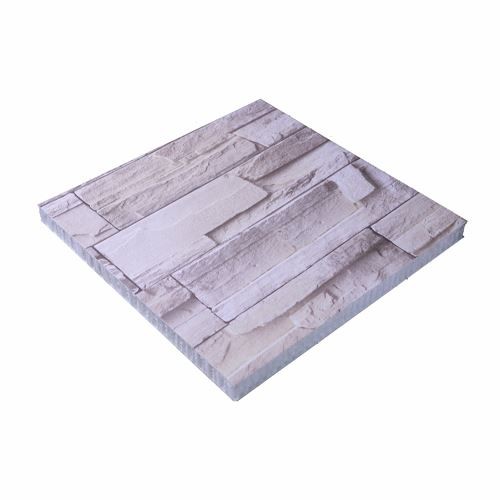
First off, what exactly are Non Woven Honeycomb Panels? They're pretty cool products. These panels are made up of a honeycomb - like structure that's non - woven. This structure gives them a unique combination of strength and lightness, which makes them super useful in a bunch of different industries. You can find them in things like furniture, construction, and even transportation.
Now, the weight of a Non Woven Honeycomb Panel per square meter can vary quite a bit. There are several factors that play a role in determining this weight.
Factors Affecting the Weight
Material Composition
The materials used to make the panel have a huge impact on its weight. Non Woven Honeycomb Panels can be made from different substances, such as polypropylene, paper, or fiberglass. For example, polypropylene panels are generally lighter compared to fiberglass ones. Polypropylene is a thermoplastic material, and you can learn more about Thermoplastic Honeycomb Core. Fiberglass, on the other hand, is a bit heavier because of its high - strength fibers.
Cell Size
The size of the honeycomb cells also matters. If the cells are larger, the panel will generally be lighter. This is because there's more empty space within the panel. Smaller cells mean there's more material used to create the honeycomb structure, which increases the overall weight.
Thickness
Thickness is another key factor. A thicker panel will obviously weigh more per square meter than a thinner one. When you increase the thickness, you're adding more material to the panel, which directly contributes to its weight.
Calculating the Weight per Square Meter
To calculate the weight per square meter of a Non Woven Honeycomb Panel, you'll need to know a few things. First, you should have the density of the material the panel is made from. Density is usually measured in kilograms per cubic meter (kg/m³). You'll also need to know the thickness of the panel in meters.
The formula to calculate the weight per square meter (W) is: W = density × thickness.
Let's say you have a polypropylene Non Woven Honeycomb Panel. The density of polypropylene is around 900 kg/m³. If the thickness of the panel is 0.01 meters (or 10 millimeters), then the weight per square meter would be:
W = 900 kg/m³ × 0.01 m = 9 kg/m²
This is a simplified calculation. In real - world scenarios, you might also need to account for any additional coatings or treatments on the panel, which can add to the weight.
Typical Weight Ranges
For most common Non Woven Honeycomb Panels used in general applications, the weight per square meter can range from about 3 kg/m² to 20 kg/m².
Panels with lower weights (around 3 - 5 kg/m²) are often used in applications where weight is a major concern, like in lightweight furniture or some aerospace components. These panels are great for situations where you need something that's easy to handle and transport.
On the other hand, panels with higher weights (15 - 20 kg/m²) are more suitable for heavy - duty applications. They can be used in construction projects, especially for load - bearing walls or floors. You can check out Honeycomb - building - panels to see some of the applications in the construction industry.
Importance of Knowing the Weight
Understanding the weight per square meter of Non Woven Honeycomb Panels is really important for several reasons.
Cost Estimation
When you're planning a project, knowing the weight helps you estimate the cost. Heavier panels usually cost more because they use more material. By calculating the weight per square meter, you can get a better idea of how much the panels for your project will cost.
Structural Design
In structural design, the weight is a critical factor. You need to make sure that the structure can support the weight of the panels. If you're using the panels in a building, for example, the foundation and the supporting beams need to be designed to handle the load.
Transportation
Weight also affects transportation. Lighter panels are easier and cheaper to transport. If you're shipping a large quantity of panels, the weight can significantly impact the shipping costs.
Conclusion
So, as you can see, the weight per square meter of Non Woven Honeycomb Panels is influenced by multiple factors like material composition, cell size, and thickness. By understanding these factors and being able to calculate the weight, you can make better decisions when it comes to using these panels in your projects.
If you're interested in purchasing Non Woven Honeycomb Panels for your project, whether it's for furniture, construction, or any other application, feel free to reach out. We're here to help you choose the right panels based on your specific requirements. Whether you need lightweight panels or heavy - duty ones, we've got you covered. Let's start a conversation and see how we can work together to meet your needs.
References
- General knowledge about non - woven honeycomb panels from industry experience
- Material density data from standard material science references