

As a supplier of Non Woven Honeycomb Panels, I've been constantly exploring the potential applications of these innovative products. One of the most frequently asked questions I encounter is whether Non Woven Honeycomb Panels can be used in the packaging industry. In this blog post, I'll delve into this topic, examining the properties of Non Woven Honeycomb Panels and their suitability for packaging applications.
Properties of Non Woven Honeycomb Panels
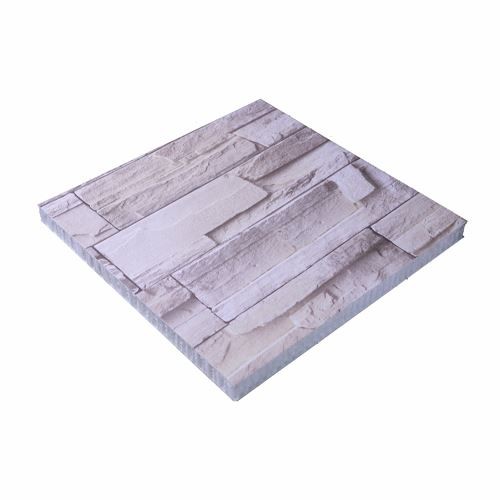
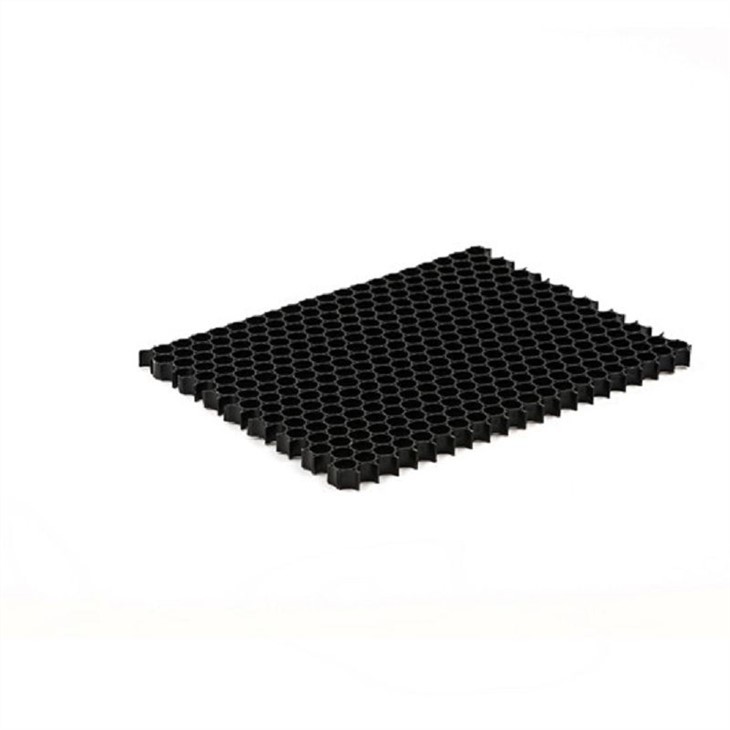
Non Woven Honeycomb Panels are made from non - woven materials arranged in a honeycomb structure. This unique construction gives them several remarkable properties.
Lightweight: The honeycomb design provides a high strength - to - weight ratio. Compared to solid panels of the same size, Non Woven Honeycomb Panels are significantly lighter. This is a crucial advantage in the packaging industry, as lighter packaging materials can reduce shipping costs. For example, in the e - commerce sector, where millions of packages are shipped daily, even a small reduction in the weight of each package can lead to substantial savings in transportation expenses.
High Strength: Despite their lightweight nature, Non Woven Honeycomb Panels offer excellent strength. The honeycomb structure distributes stress evenly across the panel, making it resistant to impact and compression. This means that products packaged in Non Woven Honeycomb Panels are better protected during handling, storage, and transportation. For instance, fragile items such as glassware or electronics can be safely packaged in these panels, reducing the risk of damage.
Shock Absorption: The honeycomb structure acts as a natural shock absorber. When a package experiences an impact, the honeycomb cells deform and absorb the energy, protecting the contents inside. This is especially important for products that are sensitive to shock, such as medical devices or precision instruments.
Insulation: Non Woven Honeycomb Panels also provide good insulation properties. They can help maintain a stable temperature inside the package, which is beneficial for products that are temperature - sensitive, like certain food items or pharmaceuticals.
Applications in the Packaging Industry
Product Protection
As mentioned earlier, the strength and shock - absorbing properties of Non Woven Honeycomb Panels make them ideal for protecting products. They can be used as inserts or liners in boxes to cushion the contents. For example, in the automotive industry, Non Woven Honeycomb Panels can be used to package engine parts, protecting them from scratches and damage during transit.
Custom Packaging
Non Woven Honeycomb Panels can be easily cut and shaped to fit the specific requirements of different products. This allows for the creation of custom - designed packaging solutions. Whether it's a small, irregularly shaped item or a large, bulky product, Non Woven Honeycomb Panels can be tailored to provide a perfect fit. For example, in the jewelry industry, custom - cut Non Woven Honeycomb Panels can be used to create elegant and protective packaging for rings, necklaces, and bracelets.
Display Packaging
In addition to protecting products, Non Woven Honeycomb Panels can also be used in display packaging. Their lightweight and customizable nature make them suitable for creating eye - catching displays in retail stores. For instance, a cosmetics brand could use Non Woven Honeycomb Panels to create a unique and attractive display for their products, enhancing the overall shopping experience for customers.
Sustainable Packaging
With the growing demand for sustainable packaging solutions, Non Woven Honeycomb Panels offer a viable option. Many non - woven materials used in these panels are recyclable, and their lightweight nature reduces the amount of material used in packaging. This not only helps to reduce waste but also lowers the carbon footprint associated with transportation. For example, companies in the food and beverage industry are increasingly turning to Non Woven Honeycomb Panels as a more sustainable alternative to traditional packaging materials.
Comparison with Other Packaging Materials
Cardboard
Cardboard is one of the most commonly used packaging materials. While it is relatively inexpensive and easy to work with, it lacks the strength and shock - absorbing capabilities of Non Woven Honeycomb Panels. Cardboard can also be easily damaged by moisture, which limits its use in certain applications. In contrast, Non Woven Honeycomb Panels are more durable and can withstand a wider range of environmental conditions.
Foam
Foam is another popular packaging material known for its shock - absorbing properties. However, foam can be difficult to recycle and may not be as environmentally friendly as Non Woven Honeycomb Panels. Additionally, foam can be more expensive than Non Woven Honeycomb Panels, especially for large - scale packaging applications.
Plastic
Plastic packaging is widely used due to its durability and flexibility. However, plastic has a significant environmental impact, as it is non - biodegradable and often ends up in landfills or the ocean. Non Woven Honeycomb Panels, on the other hand, can be made from more sustainable materials and offer a more eco - friendly alternative.
Case Studies
Electronics Packaging
A leading electronics manufacturer was facing challenges with the high rate of product damage during shipping. They decided to switch to Non Woven Honeycomb Panels for packaging their smartphones and tablets. The panels provided excellent protection against shock and vibration, reducing the damage rate from 5% to less than 1%. This not only saved the company money on returns and replacements but also improved customer satisfaction.
Food Packaging
A local bakery was looking for a more sustainable packaging solution for their artisanal bread. They started using Non Woven Honeycomb Panels as inserts in their cardboard boxes. The panels provided good insulation, keeping the bread fresh for longer. The bakery also appreciated the eco - friendly nature of the panels, which helped them to align with their brand values and attract environmentally - conscious customers.
Challenges and Considerations
While Non Woven Honeycomb Panels offer many advantages for the packaging industry, there are also some challenges and considerations to keep in mind.
Cost
The initial cost of Non Woven Honeycomb Panels may be higher than some traditional packaging materials. However, when considering the long - term benefits such as reduced product damage and lower shipping costs, the overall cost - effectiveness can be quite favorable.
Availability
In some regions, the availability of Non Woven Honeycomb Panels may be limited. As a supplier, I'm working hard to expand our distribution network to ensure that our products are more accessible to customers around the world.
Design and Engineering
To fully utilize the potential of Non Woven Honeycomb Panels in packaging, proper design and engineering are required. This may involve working closely with packaging designers and engineers to develop the most suitable packaging solutions for specific products.
Conclusion
In conclusion, Non Woven Honeycomb Panels have great potential in the packaging industry. Their unique properties such as lightweight, high strength, shock absorption, and insulation make them suitable for a wide range of packaging applications. They offer better product protection, can be customized, and are more sustainable compared to many traditional packaging materials. While there are some challenges to overcome, the benefits far outweigh the drawbacks.
If you're interested in exploring the use of Non Woven Honeycomb Panels for your packaging needs, I'd be more than happy to discuss your requirements and provide you with the best solutions. You can visit our website to learn more about our Thermoplastic Honeycomb Core and Honeycomb - building - panels. Let's work together to create innovative and sustainable packaging solutions for your products.
References
- Smith, J. (2020). "Advances in Packaging Materials". Journal of Packaging Science.
- Johnson, A. (2021). "Sustainable Packaging Solutions". Packaging Industry Review.