

As a supplier of PP Honeycomb Panels, I've witnessed firsthand the pivotal role that panel structure plays in determining the weight-to-strength ratio. This ratio is a critical factor in numerous industries, from construction to automotive, as it directly impacts the performance, efficiency, and cost - effectiveness of the end - products. In this blog, I'll delve into how different aspects of the panel's structure can influence this crucial ratio.
The Basics of Weight - to - Strength Ratio
Before we explore the impact of panel structure, let's briefly understand what the weight - to - strength ratio means. It is a measure that compares the weight of a material to its ability to withstand forces without breaking or deforming. A lower weight - to - strength ratio indicates that a material can provide a high level of strength while being relatively lightweight. This is highly desirable in applications where reducing weight is essential, such as in aerospace or transportation, as it can lead to improved fuel efficiency, lower operating costs, and enhanced performance.
The Structure of PP Honeycomb Panels
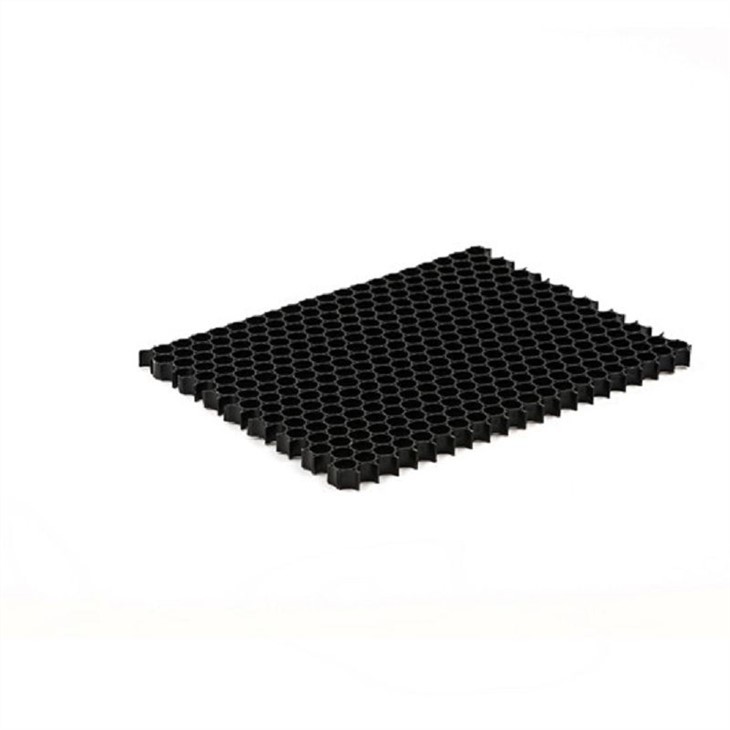
PP Honeycomb Panels consist of a honeycomb core sandwiched between two outer layers. The honeycomb core is made up of a series of hexagonal cells, which are typically formed from polypropylene (PP). The outer layers can be made of various materials, including PP, fiberglass, or metal, depending on the specific application requirements.
The unique honeycomb structure of these panels is what gives them their exceptional properties. The hexagonal cells distribute stress evenly across the panel, allowing it to withstand high loads while maintaining a relatively low weight. This structure is inspired by nature, as honeybees have long used the hexagonal honeycomb design to build their hives, which are both strong and lightweight.
Impact of Cell Size on Weight - to - Strength Ratio
One of the key structural factors that affect the weight - to - strength ratio of PP Honeycomb Panels is the size of the honeycomb cells. Smaller cell sizes generally result in a higher weight - to - strength ratio. This is because smaller cells provide more support and distribute stress more effectively, allowing the panel to withstand greater forces without deforming.
However, smaller cell sizes also mean that more material is used in the construction of the honeycomb core, which can increase the overall weight of the panel. Therefore, there is a trade - off between cell size, strength, and weight. In applications where high strength is required, such as in structural components of buildings or vehicles, smaller cell sizes may be preferred, even though they may result in a slightly higher weight. On the other hand, in applications where weight reduction is the primary goal, larger cell sizes may be more suitable, as they can provide a reasonable level of strength while keeping the weight down.
Thickness of the Outer Layers
The thickness of the outer layers of the PP Honeycomb Panel also has a significant impact on the weight - to - strength ratio. Thicker outer layers generally provide more strength and stiffness to the panel. They can help to distribute the load more evenly across the honeycomb core and protect it from damage.
However, thicker outer layers also add to the overall weight of the panel. Therefore, the choice of outer layer thickness depends on the specific application requirements. In applications where high strength and durability are crucial, such as in industrial equipment or marine vessels, thicker outer layers may be used. In contrast, in applications where weight is a major concern, such as in portable structures or lightweight furniture, thinner outer layers may be selected to achieve a better weight - to - strength ratio.
Material Selection for Outer Layers
The material used for the outer layers can also influence the weight - to - strength ratio. Different materials have different properties, such as density, strength, and stiffness. For example, metal outer layers are typically stronger and more rigid than plastic or fiberglass outer layers. However, they are also much heavier.
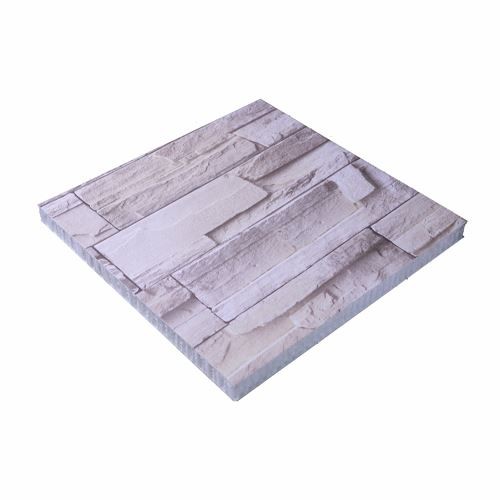
Plastic outer layers, such as PP, are lightweight and have good chemical resistance. They can be a good choice for applications where weight reduction and corrosion resistance are important. Fiberglass outer layers offer a good balance between strength and weight. They are relatively lightweight but can provide high levels of strength and stiffness, making them suitable for a wide range of applications, including aerospace and automotive components.
Core Density
The density of the honeycomb core is another important factor that affects the weight - to - strength ratio. A higher core density generally means that there is more material in the honeycomb cells, which can increase the panel's strength. However, it also increases the weight of the panel.
Lower core density panels are lighter but may have a lower strength capacity. The choice of core density depends on the specific load - bearing requirements of the application. In applications where high strength is needed, such as in heavy - duty construction or transportation, higher core density panels may be used. In applications where weight is a critical factor, lower core density panels can be selected to achieve a better weight - to - strength ratio.
Bonding between Layers
The quality of the bonding between the honeycomb core and the outer layers is crucial for the overall performance of the PP Honeycomb Panel. A strong bond ensures that the load is transferred effectively between the layers, allowing the panel to function as a single unit.
If the bonding is weak, the panel may delaminate under load, which can significantly reduce its strength and increase the risk of failure. Therefore, proper bonding techniques and high - quality adhesives are essential. A well - bonded panel can achieve a better weight - to - strength ratio, as it can make full use of the combined properties of the core and the outer layers.
Applications and the Importance of Weight - to - Strength Ratio
The weight - to - strength ratio of PP Honeycomb Panels makes them suitable for a wide range of applications. In the construction industry, these panels can be used for wall partitions, roofing, and flooring. Their high strength and lightweight properties make them easy to install and can reduce the overall load on the building structure. You can learn more about Honeycomb - building - panels on our website.
In the automotive industry, PP Honeycomb Panels can be used for interior components, such as door panels and seat backs, as well as for some structural parts. Their lightweight nature can contribute to improved fuel efficiency and reduced emissions.
In the aerospace industry, the high weight - to - strength ratio of these panels is highly valued. They can be used for aircraft interiors, cargo liners, and even some non - critical structural components.
Conclusion and Call to Action
In conclusion, the structure of PP Honeycomb Panels has a profound impact on their weight - to - strength ratio. By carefully considering factors such as cell size, outer layer thickness, material selection, core density, and bonding quality, we can optimize this ratio to meet the specific requirements of different applications.
If you are in need of high - quality PP Honeycomb Panels with an excellent weight - to - strength ratio for your project, we are here to help. Our team of experts can work with you to select the right panel structure and material combination to achieve the best results. Whether you are in the construction, automotive, aerospace, or any other industry, we have the solutions to meet your needs. Contact us today to start a discussion about your specific requirements and explore how our Thermoplastic Honeycomb Core can benefit your project.
References
- Gibson, L. J., & Ashby, M. F. (1997). Cellular Solids: Structure and Properties. Cambridge University Press.
- Brandt, M. A. (2011). Design and Manufacture of Cellular Metals and Metal Foams. Wiley - VCH Verlag GmbH & Co. KGaA.
- Engineering Materials 1: An Introduction to Properties, Applications and Design (Fourth Edition) by Michael F. Ashby, David R. H. Jones.