

Hey there! I'm a supplier of PP Honeycomb Core, and today I wanna chat about how the storage environment can mess with the long - term performance of this nifty product.
PP Honeycomb Core is a super useful material. It's lightweight, strong, and has a whole bunch of applications. You can find it in Thermoplastic Honeycomb Core, which is great for various industrial uses, and Honeycomb - building - panels, making buildings more energy - efficient and durable.
Let's start with temperature. PP Honeycomb Core is made of polypropylene, a thermoplastic. High temperatures can be a real pain in the neck. When it gets too hot, the polypropylene starts to soften. You know how butter melts on a hot day? It's kinda like that. The honeycomb structure loses its shape and integrity. If you store it in a place where the temperature regularly goes above 60°C (140°F), over time, the core will become less rigid. This means it won't be able to support as much weight as it should. For example, if you're using it in building panels, the panels might start to sag, and that's a big no - no.
On the flip side, extremely cold temperatures aren't any better. Polypropylene becomes brittle in the cold. When it's stored in a freezing environment, like in a cold warehouse without proper heating, small cracks can start to form in the honeycomb cells. These cracks can spread over time, weakening the entire core. If you try to use a cracked PP Honeycomb Core, it could break under stress. Say you're using it in a packaging application; the package might not be able to protect its contents as well as it's supposed to.
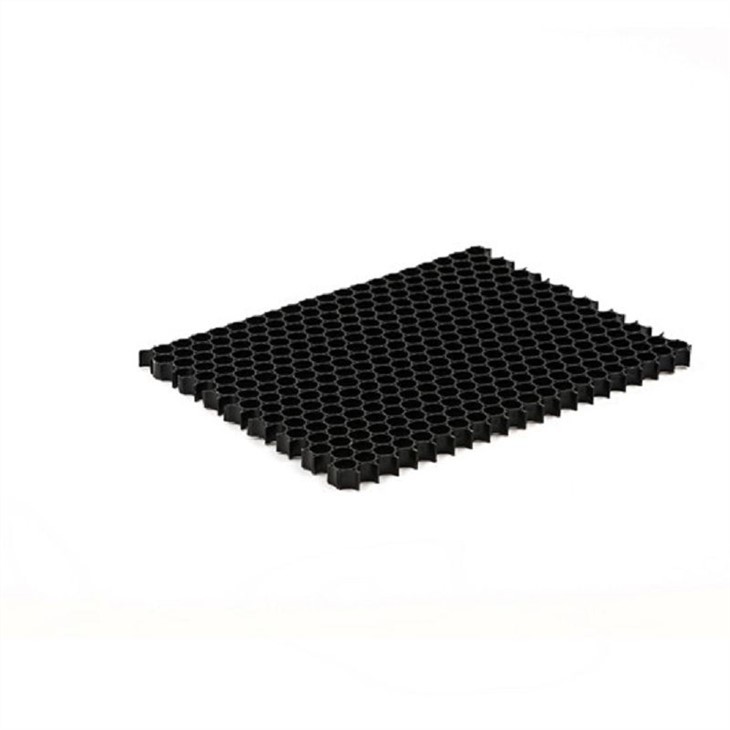
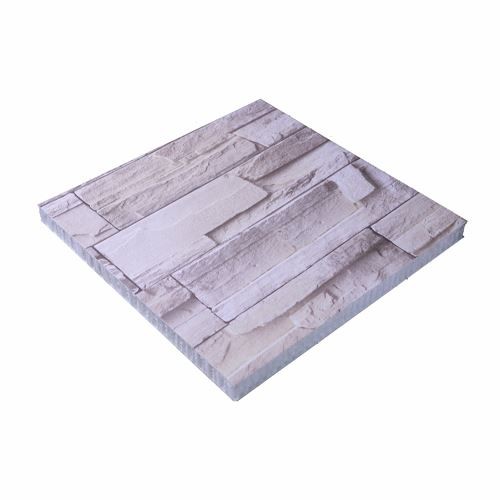
Humidity is another major factor. PP is a hydrophobic material, which means it doesn't like water. But that doesn't mean it's completely immune to moisture. High humidity can cause the surface of the PP Honeycomb Core to absorb water. When this happens, the material can swell. Swelling messes up the dimensions of the core. If you're using it in a precision - engineered product, like an aircraft interior panel, even a small change in dimensions can lead to fitting problems.
Moreover, the absorbed water can also promote the growth of mold and mildew. Mold not only looks bad but can also weaken the structure of the core. It eats away at the polypropylene over time, reducing its strength. You definitely don't want moldy PP Honeycomb Core in your products.
Now, let's talk about light exposure. Ultraviolet (UV) rays from the sun are the main culprit here. When PP Honeycomb Core is exposed to sunlight for long periods, the UV rays break down the chemical bonds in the polypropylene. This process is called photodegradation. As a result, the material becomes discolored, usually turning yellow. But it's not just about looks. The mechanical properties of the core also take a hit. It becomes more brittle and less flexible, which means it's more likely to break when bent or stressed.
Air quality in the storage area can also have an impact. If there are high levels of pollutants, such as chemicals or dust, in the air, they can settle on the surface of the PP Honeycomb Core. Chemical pollutants can react with the polypropylene, causing chemical degradation. For example, some acidic chemicals can corrode the surface of the core, making it rough and less smooth. Dust can also get into the honeycomb cells, clogging them up. This can affect the core's ability to perform its function, especially if it's being used in applications where airflow or filtration is important.
So, what can you do to ensure the long - term performance of your PP Honeycomb Core? First of all, choose the right storage location. Keep it in a temperature - controlled environment. Aim for a temperature range between 20°C - 30°C (68°F - 86°F). This will help maintain the structural integrity of the core.
Control the humidity levels as well. Use dehumidifiers in areas with high humidity to keep the relative humidity below 60%. You can also store the core in sealed containers or packaging to prevent moisture from getting in.
Protect the core from direct sunlight. Store it in a shaded area or use UV - resistant covers. If possible, keep it indoors away from windows.
And don't forget about air quality. Make sure the storage area is well - ventilated to reduce the concentration of pollutants. You can also use air filters to clean the air.
As a PP Honeycomb Core supplier, I've seen firsthand how the wrong storage environment can ruin a perfectly good product. That's why I'm so passionate about sharing this information with you. If you're in the market for high - quality PP Honeycomb Core, I'd love to chat with you. Whether you're using it for Thermoplastic Honeycomb Core applications or Honeycomb - building - panels, we've got the right product for you. Contact me to start a conversation about your specific needs and how we can work together to get the best results for your projects.
References
- "Polymer Science and Technology" by Carl A. Harriss
- "Plastics in Construction" by J. A. Brydson
- Industry research reports on polypropylene materials and their applications