

As a supplier of Non Woven Honeycomb Panels, I've witnessed firsthand the transformative impact these innovative products can have on the agricultural industry. In this blog post, I'll delve into the various ways Non Woven Honeycomb Panels benefit agriculture, from enhancing crop protection to improving resource management.
1. Crop Protection and Growth Enhancement
One of the primary advantages of Non Woven Honeycomb Panels in agriculture is their ability to provide effective crop protection. These panels can be used as a physical barrier against pests, birds, and harsh weather conditions. For instance, when installed around the perimeter of a crop field, they can prevent small animals and insects from accessing the crops, reducing the need for chemical pesticides.
Moreover, Non Woven Honeycomb Panels can also play a crucial role in optimizing the micro - climate around the crops. They have excellent insulation properties, which means they can help regulate temperature and humidity. During cold nights, the panels can retain heat, protecting the crops from frost damage. In hot and sunny days, they can provide partial shade, preventing the crops from overheating and reducing water evaporation.
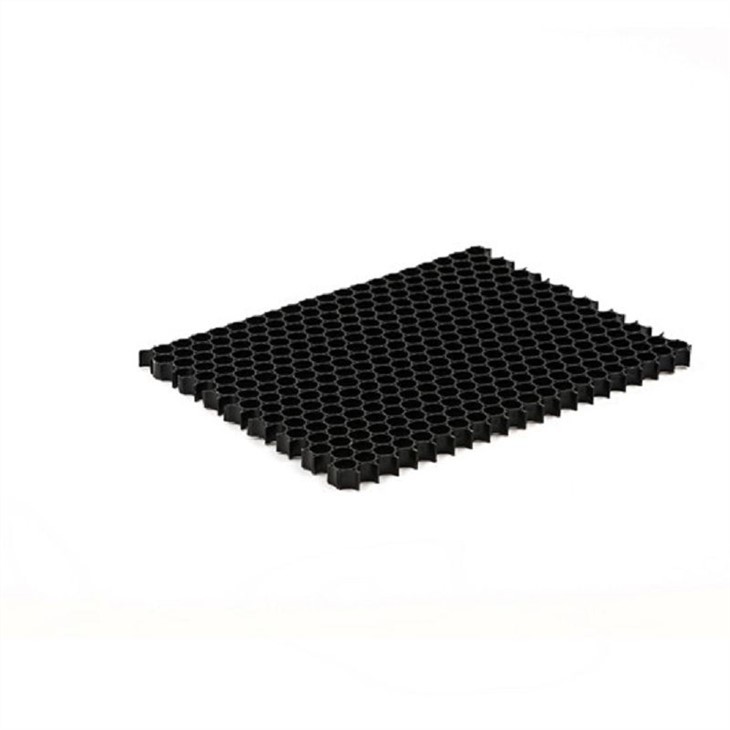
The unique honeycomb structure of these panels allows for a more uniform distribution of light. This is particularly beneficial for crops that require specific light intensities for optimal growth. By diffusing sunlight, the panels ensure that all parts of the plant receive an adequate amount of light, promoting more even growth and potentially increasing yields.
2. Resource Management
Efficient resource management is a key concern in modern agriculture, and Non Woven Honeycomb Panels can contribute significantly in this area. Water is one of the most precious resources in farming, and these panels can help conserve it. When used as mulch, they can reduce water evaporation from the soil surface. The honeycomb structure traps moisture, allowing the soil to retain water for longer periods. This means that farmers can reduce the frequency of irrigation, saving both water and energy.
In addition to water conservation, Non Woven Honeycomb Panels can also help in managing fertilizers. The panels can be used as a carrier for slow - release fertilizers. By embedding the fertilizers within the honeycomb structure, they are released gradually over time, ensuring that the crops receive a steady supply of nutrients. This not only improves the efficiency of fertilizer use but also reduces the risk of nutrient runoff, which can cause environmental pollution.
3. Greenhouse and Vertical Farming Applications
The rise of greenhouse and vertical farming has revolutionized the agricultural industry, and Non Woven Honeycomb Panels are well - suited for these modern farming methods. In greenhouses, these panels can be used as wall and ceiling materials. Their insulation properties help maintain a stable internal temperature, reducing the energy required for heating and cooling. This is especially important in regions with extreme climates.
For vertical farming, where space is at a premium, Non Woven Honeycomb Panels offer a lightweight and strong solution. They can be used to create shelves and partitions, maximizing the use of vertical space. The panels' high strength - to - weight ratio means that they can support the weight of plants and growing media without adding excessive load to the structure.
4. Environmental Sustainability
In today's world, environmental sustainability is a top priority in agriculture. Non Woven Honeycomb Panels are often made from recyclable materials, which means they have a lower environmental impact compared to traditional agricultural materials. When the panels reach the end of their useful life, they can be recycled, reducing waste and conserving natural resources.
Furthermore, by reducing the need for chemical pesticides and fertilizers, these panels contribute to a healthier and more sustainable ecosystem. They help protect beneficial insects and wildlife, which play an important role in pollination and natural pest control.
5. Cost - Effectiveness
From a financial perspective, Non Woven Honeycomb Panels offer significant cost - savings for farmers. Their long - lasting nature means that they don't need to be replaced frequently, reducing the overall cost of agricultural infrastructure. Additionally, the savings in water, energy, and chemical inputs can lead to substantial cost reductions in the long run.
The ease of installation of these panels also contributes to cost - effectiveness. They can be easily cut and shaped to fit different agricultural applications, and their lightweight design makes them easy to handle and install. This reduces labor costs associated with installation and maintenance.
6. Versatility and Customization
Non Woven Honeycomb Panels are highly versatile and can be customized to meet the specific needs of different agricultural applications. They come in a variety of sizes, thicknesses, and densities, allowing farmers to choose the most suitable panel for their crops and growing conditions.
For example, panels with different levels of porosity can be used depending on the ventilation requirements of the crops. In addition, the panels can be coated or treated to enhance their performance, such as adding UV - resistant coatings to increase their durability in outdoor applications.
7. Comparison with Traditional Materials
When compared to traditional agricultural materials such as wood, plastic sheets, and metal, Non Woven Honeycomb Panels offer several advantages. Wood is prone to rot and insect damage, and it requires regular maintenance. Plastic sheets may not be as durable and can have a negative environmental impact. Metal can be heavy and expensive, and it may corrode over time.
In contrast, Non Woven Honeycomb Panels are lightweight, durable, and environmentally friendly. They offer better insulation and protection properties, making them a more attractive option for modern agriculture.
8. Industry Trends and Future Outlook
The agricultural industry is constantly evolving, and the demand for innovative solutions like Non Woven Honeycomb Panels is expected to grow. As consumers become more conscious about the environmental impact of food production, there is a growing trend towards sustainable and resource - efficient farming methods. Non Woven Honeycomb Panels fit perfectly into this trend, and their use is likely to become more widespread in the coming years.
Advancements in material science and manufacturing technology are also expected to further improve the performance of these panels. For example, new materials may be developed to enhance their strength, insulation, and recyclability.
Conclusion
In conclusion, Non Woven Honeycomb Panels offer a wide range of benefits to the agricultural industry, from crop protection and resource management to environmental sustainability and cost - effectiveness. As a supplier, I'm excited about the potential of these panels to transform the way we farm.
If you're an agricultural professional interested in exploring how Non Woven Honeycomb Panels can benefit your operations, I encourage you to reach out to me for more information. We can discuss your specific needs and how our products can be customized to meet them. Whether you're involved in traditional farming, greenhouse cultivation, or vertical farming, our Non Woven Honeycomb Panels can provide innovative solutions to enhance your productivity and sustainability.
For more information on related products such as Thermoplastic Honeycomb Core and Honeycomb - building - panels, please visit the provided links.
References
- Smith, J. (2020). Innovations in Agricultural Materials. Journal of Agricultural Science, 45(2), 123 - 135.
- Brown, A. (2021). Sustainable Farming Practices and the Role of Advanced Materials. Agricultural Review, 32(3), 201 - 215.
- Green, C. (2022). The Future of Greenhouse and Vertical Farming Technologies. International Journal of Agriculture, 50(1), 78 - 90.