

Radiation resistance is a crucial factor in various industries, especially when it comes to materials used in construction, aerospace, and electronics. As a supplier of PP Honeycomb Core, I often receive inquiries about the radiation resistance of this material. In this blog post, I will delve into the concept of radiation resistance, explore how it applies to PP Honeycomb Core, and discuss its implications for different applications.
Understanding Radiation Resistance
Radiation resistance refers to a material's ability to withstand the effects of radiation. Radiation comes in various forms, including electromagnetic radiation (such as radio waves, microwaves, infrared, visible light, ultraviolet, X - rays, and gamma rays) and particle radiation (such as alpha particles, beta particles, and neutrons). Different types of radiation have different energy levels and interact with materials in different ways.
When radiation interacts with a material, it can cause a range of effects. These effects may include physical changes, such as color change, embrittlement, or degradation of mechanical properties. Chemical changes can also occur, such as the formation of free radicals, cross - linking, or chain scission in polymers. In some cases, radiation can even cause ionization of the material, leading to electrical conductivity changes.
Radiation Resistance of PP Honeycomb Core
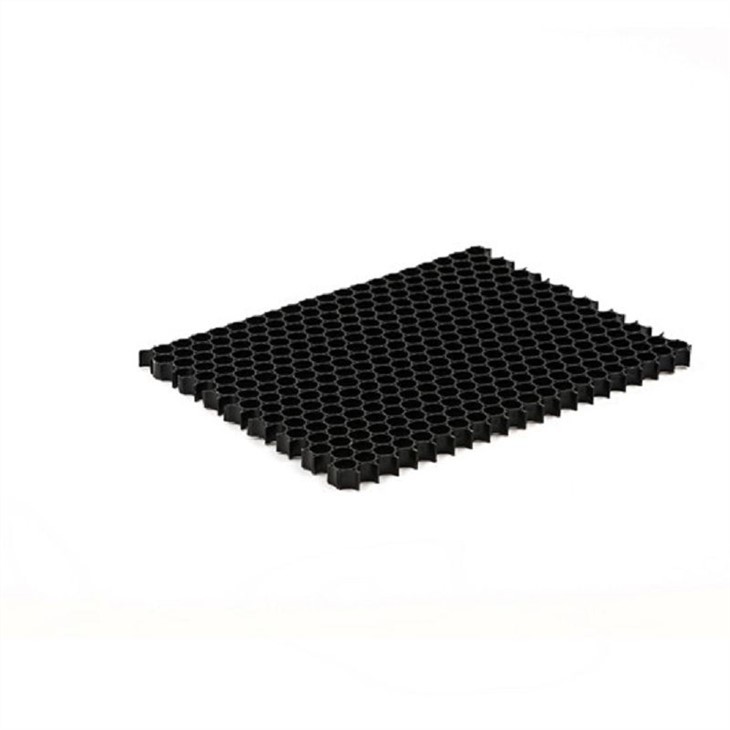
PP (Polypropylene) is a thermoplastic polymer that forms the basis of PP Honeycomb Core. Polypropylene has certain inherent properties that contribute to its radiation resistance.
Resistance to Low - Energy Electromagnetic Radiation
PP is relatively resistant to low - energy electromagnetic radiation such as radio waves and microwaves. These forms of radiation have long wavelengths and low energy levels, and they typically do not cause significant damage to the molecular structure of polypropylene. As a result, PP Honeycomb Core can be used in applications where exposure to these types of radiation is expected, such as in some electronic enclosures or communication equipment housings.
Ultraviolet (UV) Radiation Resistance
However, polypropylene is more vulnerable to ultraviolet (UV) radiation. UV radiation has higher energy than visible light and can break the chemical bonds in polypropylene. When exposed to UV light over an extended period, PP Honeycomb Core may experience surface degradation, discoloration, and a reduction in mechanical strength. To enhance the UV resistance of PP Honeycomb Core, additives such as UV stabilizers can be incorporated during the manufacturing process. These stabilizers absorb or dissipate the UV energy, preventing it from causing damage to the polymer chains.
Resistance to High - Energy Radiation
In the case of high - energy radiation such as X - rays and gamma rays, polypropylene is less resistant. High - energy radiation can cause ionization and breakage of chemical bonds in the polymer, leading to significant changes in its physical and chemical properties. For applications where exposure to high - energy radiation is likely, such as in some medical or nuclear facilities, additional shielding or protective measures may be required when using PP Honeycomb Core.
Applications and Implications of Radiation Resistance
Construction Industry
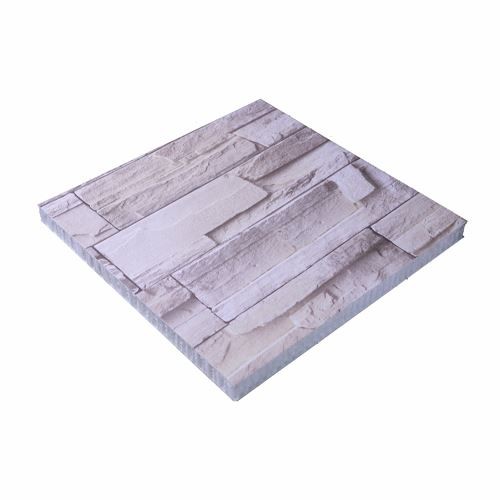
In the construction industry, Honeycomb - building - panels made from PP Honeycomb Core are increasingly popular due to their lightweight and high - strength properties. When these panels are used in outdoor applications, the issue of UV radiation resistance becomes important. By using PP Honeycomb Core with proper UV stabilizers, the panels can maintain their appearance and structural integrity over a longer period, reducing the need for frequent replacement.
Aerospace Industry
The aerospace industry also has a great interest in radiation - resistant materials. Although PP Honeycomb Core may not be suitable for direct use in areas exposed to high - energy cosmic radiation, it can be used in some internal components where exposure to lower - energy radiation is more likely. For example, it can be used in the interior panels of aircraft, where its lightweight nature helps to reduce the overall weight of the aircraft, leading to fuel savings.
Electronics Industry
In the electronics industry, Thermoplastic Honeycomb Core is used in electronic enclosures. The ability of PP Honeycomb Core to resist low - energy electromagnetic radiation makes it a suitable material for protecting sensitive electronic components from interference. At the same time, its lightweight and good mechanical properties allow for the design of compact and durable enclosures.
Testing and Evaluation of Radiation Resistance
To accurately assess the radiation resistance of PP Honeycomb Core, various testing methods are available.
Accelerated Aging Tests
Accelerated aging tests are commonly used to simulate long - term exposure to radiation in a shorter period. For UV radiation, samples of PP Honeycomb Core can be placed in a UV chamber, where they are exposed to high - intensity UV light for a specified time. After the exposure, the samples are evaluated for changes in color, mechanical properties, and surface morphology.
Dosimetry
In the case of high - energy radiation, dosimetry is used to measure the amount of radiation exposure. By placing dosimeters near the PP Honeycomb Core samples during radiation exposure, the exact dose of radiation can be determined. This information is crucial for understanding the relationship between radiation dose and the degradation of the material.
Improving Radiation Resistance
As a supplier of PP Honeycomb Core, we are constantly looking for ways to improve its radiation resistance.
Additives
As mentioned earlier, additives such as UV stabilizers, antioxidants, and free - radical scavengers can be added to the polypropylene during the manufacturing process. These additives work together to protect the polymer from the harmful effects of radiation. For example, antioxidants can prevent the oxidation of the polymer chains that may be initiated by radiation, while free - radical scavengers can react with the free radicals generated by radiation, preventing them from causing further damage.
Surface Treatments
Surface treatments can also be applied to PP Honeycomb Core to enhance its radiation resistance. For example, a protective coating can be applied to the surface of the honeycomb core. This coating can act as a barrier, preventing radiation from reaching the underlying polypropylene material.
Conclusion
The radiation resistance of PP Honeycomb Core is a complex topic that depends on the type of radiation, the duration of exposure, and the presence of protective measures. While PP Honeycomb Core has certain inherent resistance to low - energy electromagnetic radiation, it requires additional protection when exposed to UV or high - energy radiation.
As a supplier, we are committed to providing high - quality PP Honeycomb Core products with improved radiation resistance. Whether you are in the construction, aerospace, or electronics industry, our PP Honeycomb Core can be tailored to meet your specific radiation - resistance requirements.
If you are interested in learning more about our PP Honeycomb Core products or have specific radiation - related needs for your projects, we encourage you to contact us for further discussion and potential procurement. We look forward to working with you to find the best solutions for your applications.
References
- ASTM International. Standard test methods for evaluating the effects of environmental factors on plastics.
- Billmeyer, F. W., & Saltzman, M. (1999). Textbook of Polymer Science. Wiley - Interscience.
- Grohens, Y., & Verdu, J. (Eds.). (2003). Polymer Durability: Degradation and Stabilization. John Wiley & Sons.