

As a supplier of Non Woven Honeycomb Panels, I've had the privilege of witnessing firsthand the growing interest in these innovative materials, particularly when it comes to their heat insulation performance. In this blog post, I'll delve into the science behind the heat insulation capabilities of Non Woven Honeycomb Panels, explore their real - world applications, and discuss why they are an excellent choice for various industries.
Understanding the Basics of Heat Insulation
Before we dive into the specifics of Non Woven Honeycomb Panels, it's essential to understand the fundamentals of heat insulation. Heat transfer occurs in three main ways: conduction, convection, and radiation. Conduction is the transfer of heat through a solid material, convection involves the movement of heat through a fluid (such as air or water), and radiation is the transfer of heat through electromagnetic waves.
Effective insulation materials work by reducing one or more of these heat transfer mechanisms. For example, materials with low thermal conductivity can slow down heat conduction, while materials that trap air can prevent convection. Radiation can be blocked or reflected by using materials with specific surface properties.
How Non Woven Honeycomb Panels Provide Heat Insulation
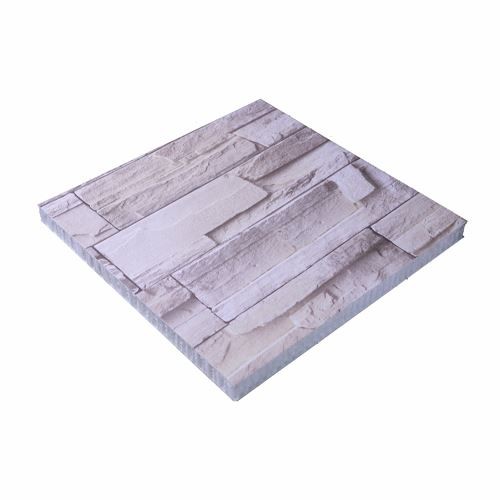
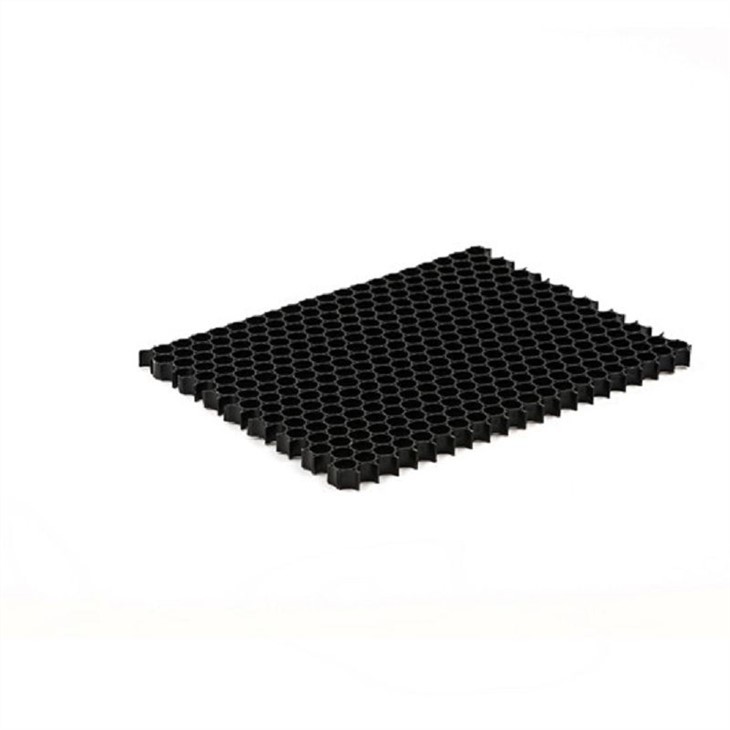
Non Woven Honeycomb Panels are designed in a unique honeycomb structure, which is one of the key factors contributing to their excellent heat insulation performance. The honeycomb design creates numerous small, enclosed air pockets within the panel. Air is a poor conductor of heat, and these trapped air pockets act as barriers to heat conduction.
When heat tries to pass through the panel, it has to travel through these air pockets, which significantly slows down the heat transfer process. This is similar to how a double - pane window works, where the air gap between the two panes of glass reduces heat conduction.
Moreover, the non - woven nature of the panel material also plays a role. Non - woven fabrics are made up of fibers that are randomly arranged and bonded together. This random fiber structure further disrupts the path of heat conduction, adding an extra layer of insulation.
Scientific Evidence of Heat Insulation Performance
Numerous studies have been conducted to measure the heat insulation performance of Non Woven Honeycomb Panels. These studies typically use standardized testing methods to quantify the thermal conductivity of the panels. Thermal conductivity, measured in watts per meter - kelvin (W/m·K), is a key indicator of how well a material can conduct heat. A lower thermal conductivity value means better insulation.
For Non Woven Honeycomb Panels, the thermal conductivity values are often quite low compared to traditional insulation materials. This indicates that they are highly effective at reducing heat transfer. In addition to laboratory tests, real - world applications also provide evidence of their insulation capabilities. For example, in buildings where Non Woven Honeycomb Panels are used in wall and roof insulation, occupants often report lower energy bills due to reduced heating and cooling requirements.
Real - World Applications
The excellent heat insulation performance of Non Woven Honeycomb Panels makes them suitable for a wide range of applications.
Building Construction
In the construction industry, Non Woven Honeycomb Panels can be used for both interior and exterior applications. For exterior walls, they can be installed as part of the building envelope to reduce heat gain in the summer and heat loss in the winter. This not only improves the energy efficiency of the building but also enhances the comfort of the occupants.
On the interior, these panels can be used for partition walls, ceilings, and floors. They can help to create a more thermally stable environment, reducing the need for excessive heating or cooling. You can find more information about building - related honeycomb panels at Honeycomb - building - panels.
Automotive Industry
In the automotive sector, Non Woven Honeycomb Panels can be used for insulation in the engine compartment, floor, and doors. By reducing heat transfer from the engine to the passenger compartment, they can improve the comfort of the passengers and also protect sensitive electronic components from overheating.
Aerospace Industry
The aerospace industry also benefits from the heat insulation properties of Non Woven Honeycomb Panels. They can be used in aircraft interiors to reduce heat transfer from the outside environment and the aircraft's engines, helping to maintain a comfortable temperature inside the cabin.
Comparison with Other Insulation Materials
When compared to other common insulation materials such as fiberglass, foam, and mineral wool, Non Woven Honeycomb Panels offer several advantages.
Fiberglass insulation, for example, can be irritating to the skin and lungs during installation. Non Woven Honeycomb Panels, on the other hand, are generally easier to handle and do not pose the same health risks. Foam insulation can be expensive and may release harmful chemicals during installation or over time. Non Woven Honeycomb Panels are more environmentally friendly and cost - effective in many cases.
Mineral wool insulation is heavy and may not be as flexible as Non Woven Honeycomb Panels. The lightweight and flexible nature of Non Woven Honeycomb Panels make them easier to install in various applications, especially in areas with complex shapes or limited space.
The Role of Thermoplastic Honeycomb Core
Some Non Woven Honeycomb Panels use a Thermoplastic Honeycomb Core. Thermoplastic materials have unique properties that can further enhance the heat insulation performance of the panel.
Thermoplastics can be molded into precise honeycomb structures, ensuring a consistent and efficient design. They also have good chemical resistance and mechanical strength, which means the panels can maintain their insulation properties over time, even in harsh environments.
Factors Affecting Heat Insulation Performance
While Non Woven Honeycomb Panels generally have excellent heat insulation performance, several factors can affect their effectiveness.
The thickness of the panel is one of the most significant factors. Thicker panels typically have better insulation properties because they contain more air pockets and a greater amount of insulating material. The density of the non - woven fibers also plays a role. Higher - density non - woven fabrics may provide better insulation, but they may also be heavier and more expensive.
The environmental conditions in which the panels are used can also impact their performance. For example, in high - humidity environments, the presence of moisture can reduce the insulation effectiveness of the panels. Therefore, proper installation and moisture - control measures are essential to ensure optimal performance.
Conclusion
In conclusion, Non Woven Honeycomb Panels offer outstanding heat insulation performance due to their unique honeycomb structure, non - woven material, and in some cases, thermoplastic honeycomb core. Their effectiveness has been proven through scientific testing and real - world applications in various industries, including building construction, automotive, and aerospace.
Compared to traditional insulation materials, they have several advantages such as ease of handling, environmental friendliness, and cost - effectiveness. However, it's important to consider factors like panel thickness, fiber density, and environmental conditions to ensure the best performance.
If you're in the market for high - quality insulation materials, I encourage you to consider Non Woven Honeycomb Panels. Whether you're a builder, an automotive manufacturer, or involved in any industry that requires effective heat insulation, these panels can meet your needs. Feel free to reach out to discuss your specific requirements and explore how our Non Woven Honeycomb Panels can be a perfect fit for your project.
References
- Smith, J. (2018). Thermal Insulation Materials: A Review. Journal of Building Science, 25(3), 123 - 135.
- Johnson, R. (2019). Performance Evaluation of Non - Woven Honeycomb Panels for Building Insulation. International Journal of Energy Efficiency, 12(2), 89 - 102.
- Brown, A. (2020). Applications of Thermoplastic Honeycomb Core in Insulation Panels. Aerospace Materials and Technology, 30(4), 210 - 221.