

Hey there! As a supplier of honeycomb composite boards, I often get asked how these boards stack up against ceramic boards. Well, let's dive right in and explore the differences, advantages, and disadvantages of both.
Physical Properties
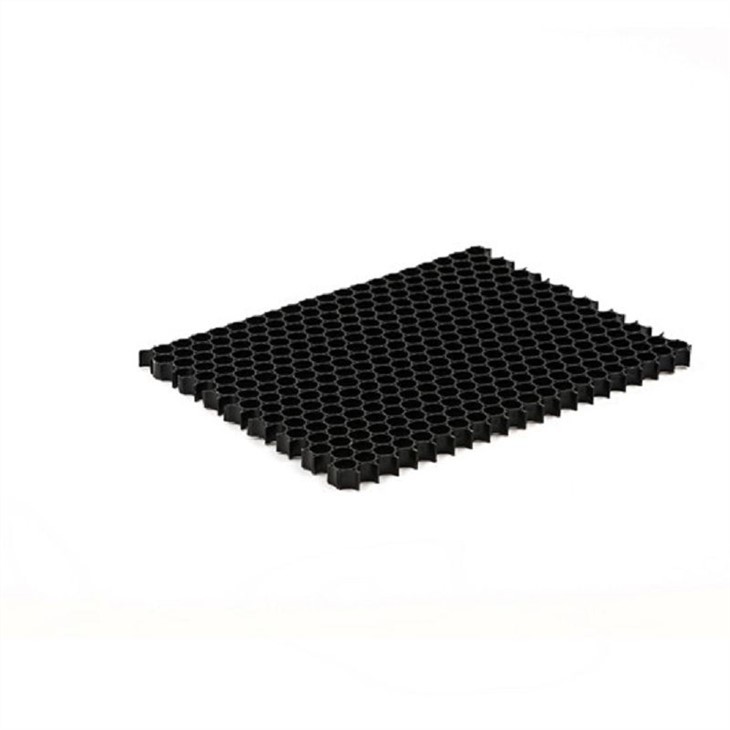
First off, let's talk about the physical characteristics. Honeycomb composite boards are typically lightweight. They're made up of a honeycomb core, which can be made from various materials like paper, aluminum, or Thermoplastic Honeycomb Core. This core is then sandwiched between two outer layers, usually made of materials like fiberglass, aluminum, or plastic. The honeycomb structure provides excellent strength - to - weight ratio. You can pick up a large honeycomb composite board with relative ease, which makes it super convenient for transportation and installation.
On the other hand, ceramic boards are heavy. Ceramics are dense materials, and this density gives them a substantial weight. Moving around a ceramic board can be a real pain, especially if you're working on a large - scale project. You might need extra manpower or special equipment just to get them from one place to another.
In terms of flexibility, honeycomb composite boards take the cake. They can be bent or curved to fit different shapes and designs. This is great for architectural applications where you want unique and creative structures. You can use them to create rounded facades or curved interior partitions. Ceramic boards, however, are extremely brittle. They break easily when subjected to bending or impact. Once a ceramic board cracks, it's pretty much useless, and you'll have to replace it.
Durability
Durability is a crucial factor when choosing between these two types of boards. Honeycomb composite boards are highly resistant to moisture. The honeycomb core and outer layers are often treated to prevent water absorption. This makes them ideal for use in areas with high humidity, like bathrooms or kitchens. They also resist corrosion, especially if the core and outer layers are made of non - corrosive materials. For example, an aluminum - cored honeycomb composite board with a fiberglass outer layer will last a long time without rusting or deteriorating.
Ceramic boards, while they're very hard and scratch - resistant, are vulnerable to thermal shock. When there's a sudden change in temperature, they can crack or shatter. In a place where there are large temperature fluctuations, like near a fireplace or in an industrial setting with hot machinery, ceramic boards might not be the best choice.
Cost
Cost is always a consideration. Honeycomb composite boards are generally more cost - effective. The materials used in their production are relatively inexpensive, and the manufacturing process is efficient. You can get a large quantity of honeycomb composite boards at a reasonable price. Plus, their lightweight nature means lower transportation costs.
Ceramic boards, on the other hand, are expensive. The raw materials for ceramics are costly, and the manufacturing process is complex and energy - intensive. Add to that the high breakage rate during transportation and installation, and you end up with a much higher overall cost.
Aesthetics
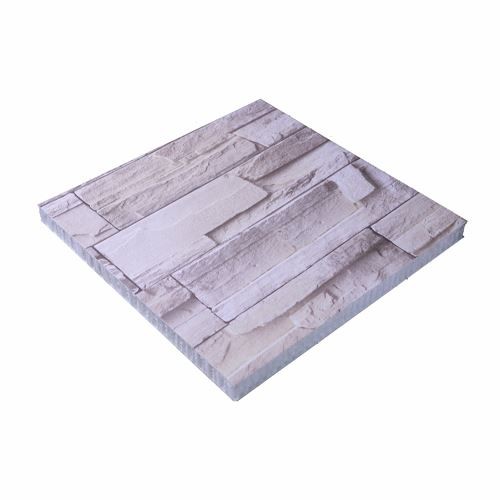
When it comes to looks, both have their own charm. Honeycomb composite boards can be finished in a variety of ways. You can get them with a smooth, glossy finish for a modern look, or a textured finish for a more rustic feel. They can also be printed with different patterns or colors, giving you endless design possibilities. You can use them to create eye - catching Honeycomb - building - panels that really stand out.
Ceramic boards have a classic and elegant appearance. They come in a wide range of colors and patterns, and their smooth surface gives a luxurious look. However, their design options are somewhat limited compared to honeycomb composite boards, especially when it comes to custom shapes and large - scale patterns.
Installation
Installation is another area where honeycomb composite boards shine. They're easy to cut, drill, and fasten. You can use common hand tools to install them, which means you don't need highly skilled labor. This saves both time and money during the installation process.
Ceramic boards require more skill and time to install. They need to be carefully cut to size, and the joints need to be perfectly aligned. Any mistakes during installation can lead to a poor - looking finish or even damage to the boards.
Applications
The applications of these two types of boards vary widely. Honeycomb composite boards are used in a wide range of industries. In the construction industry, they're used for building facades, interior partitions, and ceilings. Their lightweight and flexible nature make them suitable for both residential and commercial buildings. In the transportation industry, they're used in the interiors of airplanes, trains, and ships to reduce weight and improve fuel efficiency.
Ceramic boards are mainly used in areas where a hard, scratch - resistant surface is required. They're commonly used in kitchens as countertops and backsplashes. In the industrial sector, they're used for lining furnaces and other high - temperature equipment.
Environmental Impact
From an environmental perspective, honeycomb composite boards are a better choice. Many honeycomb cores are made from recycled materials, like recycled paper or plastic. And at the end of their life cycle, they can often be recycled again. This reduces waste and the demand for new raw materials.
Ceramic boards, while they're made from natural materials like clay, have a high energy consumption during the manufacturing process. The firing process requires a lot of heat, which usually comes from burning fossil fuels. This contributes to greenhouse gas emissions.
Conclusion
So, in conclusion, honeycomb composite boards have a lot of advantages over ceramic boards. They're lightweight, flexible, cost - effective, easy to install, and environmentally friendly. While ceramic boards have their uses in specific applications where a hard and scratch - resistant surface is needed, honeycomb composite boards offer a more versatile and sustainable solution.
If you're interested in using honeycomb composite boards for your project, whether it's a small home renovation or a large - scale commercial building, I'd love to talk to you. We can discuss your specific needs, design requirements, and budget. Don't hesitate to reach out and start a conversation about how our honeycomb composite boards can be the perfect fit for your next project.
References
- "Building Materials Handbook" - A comprehensive guide on different types of building materials and their properties.
- "Ceramics: Science and Technology" - A detailed book on the science behind ceramic materials and their applications.
- Industry reports on honeycomb composite board manufacturing and usage trends.