

Hey there! As a supplier of Honeycomb Building Panels, I often get asked about the R - value of these panels. So, let's dive right into it and break down what the R - value is and how it relates to honeycomb building panels.
What the Heck is the R - value?
First things first, the R - value is a measure of thermal resistance. In simple terms, it tells you how well a material can resist the flow of heat. The higher the R - value, the better the material is at keeping heat in (during winter) or out (during summer). It's like a shield against heat transfer, and in the world of building materials, it's a super important factor.
Think about it this way: when it's freezing outside, you want your home to stay warm. And when it's scorching hot, you want to keep that heat out. That's where materials with high R - values come in handy. They act as a barrier, making your living or working space more energy - efficient and comfortable.
How Does the R - value Work for Honeycomb Building Panels?
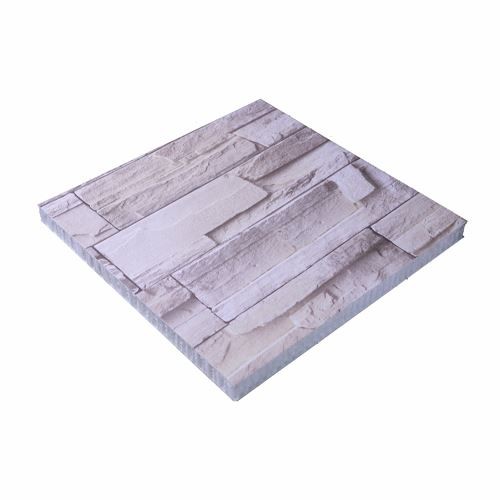
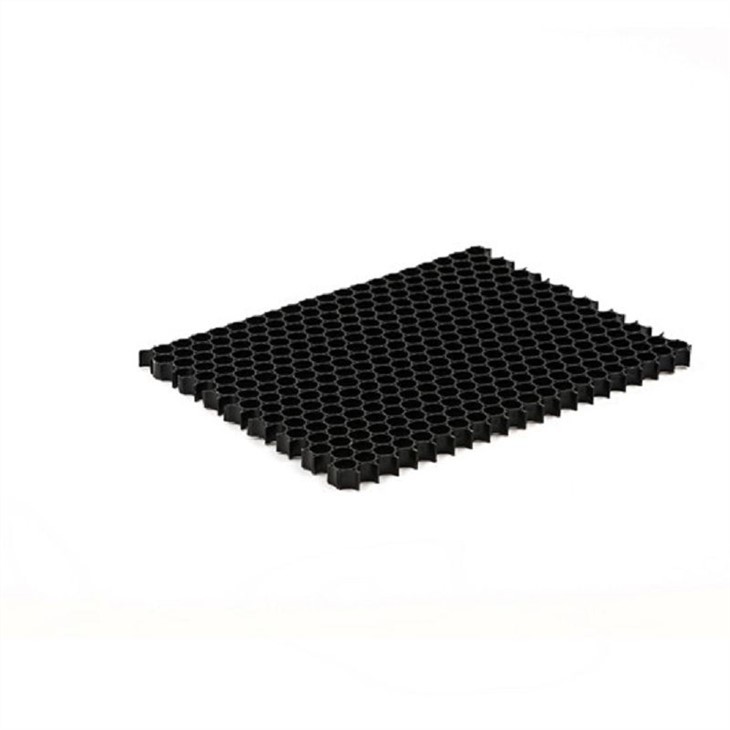
Honeycomb building panels are pretty unique. They consist of a honeycomb core, usually made of materials like thermoplastic. You can check out more about the Thermoplastic Honeycomb Core on our website. This honeycomb structure creates a series of small, enclosed air pockets. And guess what? Air is a great insulator. These air pockets trap the air, reducing heat transfer through conduction, convection, and radiation.
The R - value of honeycomb building panels depends on a few factors. One of the main ones is the thickness of the panel. Generally, thicker panels have higher R - values because there are more air pockets to slow down the heat flow. The type of material used in the honeycomb core also matters. Different thermoplastics or other core materials have different insulating properties, which can affect the overall R - value.
Another factor is the density of the honeycomb structure. A denser honeycomb with smaller air pockets might have a different R - value compared to a less dense one. It's all about finding the right balance to get the best thermal performance.
Comparing Honeycomb Building Panels to Other Materials
When you're building or renovating, you have a ton of options for insulation materials. So, how do honeycomb building panels stack up?
Let's compare them to traditional insulation like fiberglass. Fiberglass is a popular choice, but it has some drawbacks. It can be itchy to install, and over time, it can settle and lose its insulating effectiveness. Honeycomb building panels, on the other hand, are more stable. Their honeycomb structure maintains its shape, so the R - value remains consistent over the long term.
Styrofoam is another common insulation material. While it has good insulating properties, it's not very environmentally friendly. Honeycomb building panels can be made from recyclable materials, making them a more sustainable option. Plus, they're often lighter than Styrofoam, which can be a big advantage when it comes to transportation and installation.
Benefits of High R - value Honeycomb Building Panels
There are several benefits to using honeycomb building panels with a high R - value.
Energy Savings: By reducing heat transfer, these panels can significantly lower your energy bills. You won't have to rely as much on your heating and cooling systems, which means less energy consumption and more money in your pocket.
Comfort: A well - insulated space is a comfortable space. With honeycomb building panels, you'll notice fewer hot and cold spots in your home or building. The temperature will be more consistent, making it a pleasant place to be.
Noise Reduction: The honeycomb structure doesn't just help with heat insulation; it also acts as a sound barrier. This means less noise from the outside, giving you a quieter and more peaceful environment.
Real - World Applications of Honeycomb Building Panels
Honeycomb building panels are used in a wide range of applications. They're great for residential buildings, from single - family homes to apartments. You can use them in walls, roofs, and floors to improve the overall energy efficiency of the structure.
In commercial buildings, such as offices and warehouses, honeycomb building panels can also make a big difference. They help maintain a comfortable working environment for employees and can reduce operating costs for the business.
They're even used in the transportation industry. For example, in the construction of trailers and RVs, honeycomb building panels can provide insulation and help keep the interior temperature stable. You can learn more about Honeycomb - building - panels and their various applications on our website.
Measuring and Testing the R - value of Honeycomb Building Panels
So, how do we know the R - value of honeycomb building panels? Well, there are standard testing methods. These tests usually involve placing the panel between two chambers with different temperatures and measuring the heat flow through the panel. The results are then used to calculate the R - value.
At our company, we make sure to test our honeycomb building panels regularly to ensure they meet or exceed industry standards. We use state - of - the - art equipment and follow strict testing protocols to get accurate results. This way, you can be confident in the performance of the panels you're buying.
Factors That Can Affect the R - value in the Field
While the laboratory - tested R - value is important, it's also essential to understand that real - world conditions can affect the actual performance of honeycomb building panels.
Installation is a big factor. If the panels aren't installed correctly, there could be gaps or air leaks, which can reduce the overall R - value. It's crucial to have experienced installers who know how to handle the panels properly.
Moisture can also be an issue. If the panels get wet, the insulating properties of the air pockets can be compromised. That's why it's important to protect the panels during construction and ensure proper ventilation in the building to prevent moisture buildup.
Why Choose Our Honeycomb Building Panels
As a supplier, we take pride in offering high - quality honeycomb building panels. Our panels are designed to have excellent R - values, which means you'll get great energy efficiency and comfort.
We use the latest technology and best - in - class materials to manufacture our panels. Our team of experts is constantly researching and developing new ways to improve the performance of our products.
We also offer excellent customer service. Whether you have questions about the R - value, installation, or any other aspect of our honeycomb building panels, we're here to help. We can provide you with all the information you need to make an informed decision.
Let's Get in Touch!
If you're interested in using honeycomb building panels for your next project, I'd love to hear from you. Whether you're a contractor, builder, or a homeowner, we can work together to find the right solution for your needs.
Contact us today to start a conversation about how our honeycomb building panels can improve the energy efficiency and comfort of your building. We're ready to help you take your project to the next level.
References
- ASHRAE Handbook of Fundamentals. This handbook provides detailed information on thermal resistance and testing methods for building materials.
- Industry research reports on honeycomb building panels and their performance. These reports offer insights into the latest developments and trends in the field.