

Yo, fellow industry peeps! As a supplier of PP Honeycomb Core, I've seen firsthand how the presence of impurities in polypropylene (PP) can mess with the honeycomb core's performance. Let's dig into this topic and see what's what.
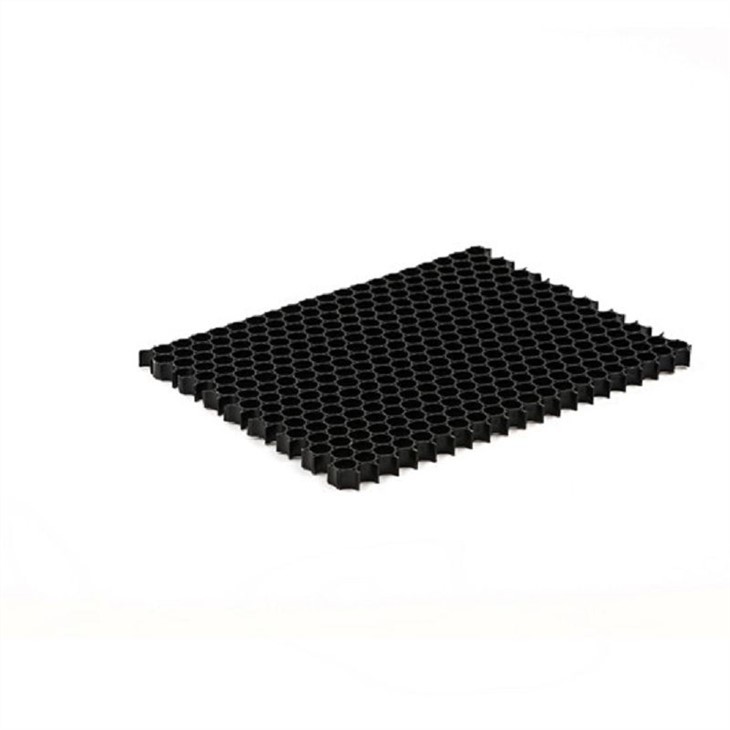
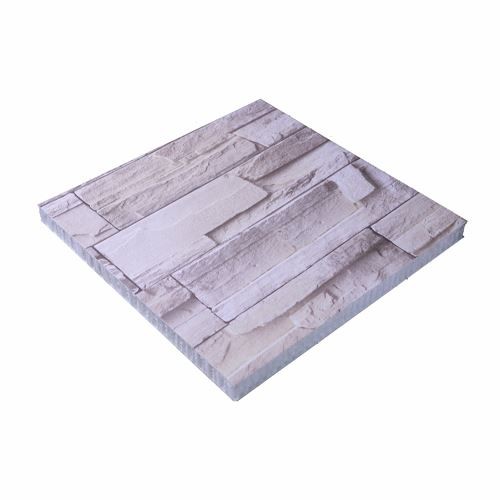
First off, let's talk about what PP honeycomb core is. It's a lightweight, strong material that's used in a bunch of applications, like Honeycomb-building-panels and Thermoplastic Honeycomb Core. It's made by extruding PP into a honeycomb structure, which gives it its unique properties.
Now, impurities in PP can come from a few different places. Sometimes, they're already in the raw material when we get it. Other times, they can be introduced during the manufacturing process. Either way, these impurities can have a big impact on the honeycomb core's performance.
One of the main ways impurities can affect the honeycomb core is by weakening its structure. PP is a polymer, which means it's made up of long chains of molecules. When there are impurities in the PP, they can disrupt these chains and make them weaker. This can lead to the honeycomb core being more prone to breaking or cracking under stress.
For example, if there are small particles of dirt or metal in the PP, they can act as stress concentrators. When the honeycomb core is put under pressure, these particles can cause the polymer chains around them to break, which can then lead to the formation of cracks. Over time, these cracks can grow and spread, eventually causing the honeycomb core to fail.
Another way impurities can affect the honeycomb core is by changing its chemical properties. PP is a relatively inert material, which means it doesn't react easily with other substances. However, if there are impurities in the PP, they can react with other chemicals in the environment and cause the honeycomb core to degrade.
For instance, if there are traces of acid or alkali in the PP, they can react with the polymer chains and break them down. This can cause the honeycomb core to lose its strength and stiffness, and it can also make it more brittle. In addition, these chemical reactions can also cause the honeycomb core to change color or develop a foul odor.
Impurities can also affect the honeycomb core's thermal properties. PP has a relatively high melting point, which means it can withstand high temperatures without melting or deforming. However, if there are impurities in the PP, they can lower the melting point of the polymer and make it more likely to melt or deform under heat.
This can be a big problem in applications where the honeycomb core is exposed to high temperatures, such as in aerospace or automotive industries. If the honeycomb core melts or deforms under heat, it can lose its structural integrity and cause the entire component to fail.
So, how can we prevent impurities from affecting the honeycomb core's performance? Well, the first step is to make sure we use high-quality PP raw materials. We need to source our PP from reliable suppliers who have strict quality control measures in place. This can help ensure that the PP we use is free from impurities and meets our specifications.
In addition, we also need to have a clean and controlled manufacturing environment. This means keeping the production area free from dust, dirt, and other contaminants. We also need to use proper equipment and techniques to prevent impurities from being introduced into the PP during the manufacturing process.
For example, we can use filters to remove any particles of dirt or metal from the PP before it is extruded. We can also use clean rooms and protective clothing to prevent human contact with the PP and reduce the risk of contamination.
Finally, we need to test the honeycomb core regularly to make sure it meets our quality standards. We can use a variety of testing methods, such as mechanical testing, chemical analysis, and thermal analysis, to check the strength, stiffness, and chemical properties of the honeycomb core. If we detect any signs of impurities or degradation, we can take corrective action immediately to prevent further problems.
In conclusion, the presence of impurities in PP can have a significant impact on the honeycomb core's performance. It can weaken the structure, change its chemical properties, and affect its thermal properties. However, by using high-quality raw materials, maintaining a clean manufacturing environment, and testing the honeycomb core regularly, we can minimize the risk of impurities and ensure that our honeycomb core products meet the highest standards of quality and performance.
If you're in the market for high-quality PP honeycomb core products, don't hesitate to get in touch with us. We'd be more than happy to discuss your specific needs and provide you with a quote. Let's work together to find the best solution for your application!
References:
- "Polypropylene: Structure, Blends and Composites" by S. Fakirov
- "Plastics Materials" by J. A. Brydson