

Can PET honeycomb panels be used in the agriculture industry?
As a supplier of PET honeycomb panels, I've been closely observing the potential applications of our products in various sectors. One area that has recently piqued my interest is the agriculture industry. The question "Can PET honeycomb panels be used in the agriculture industry?" is not just a theoretical one; it holds real - world implications for the future of farming and agricultural practices.
Understanding PET Honeycomb Panels
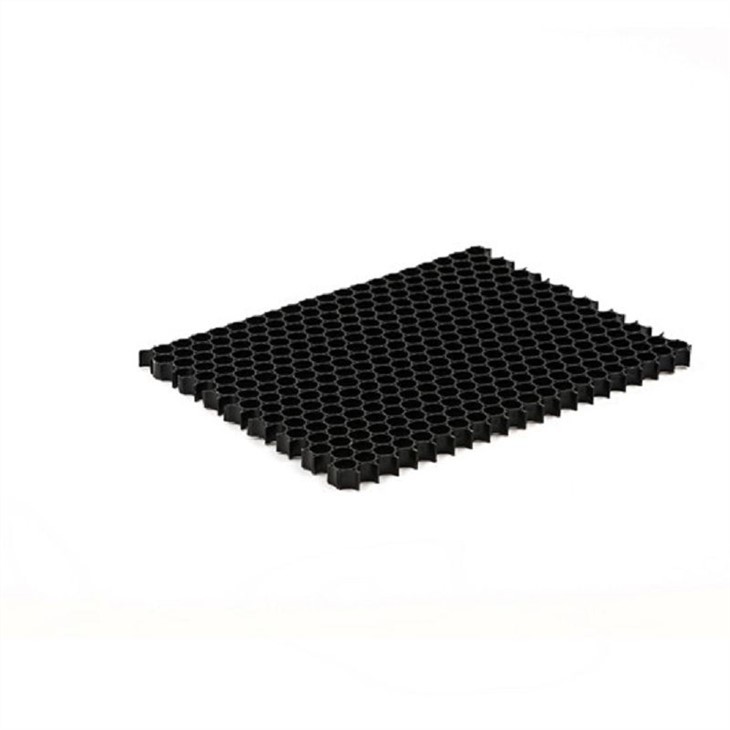
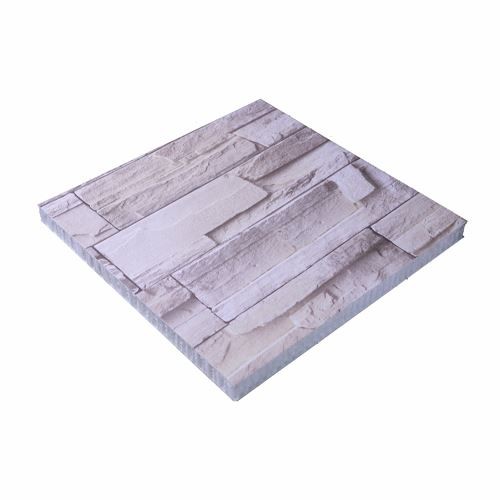
Before delving into their agricultural applications, let's first understand what PET honeycomb panels are. PET, or polyethylene terephthalate, is a strong, lightweight, and recyclable thermoplastic. Honeycomb panels are made by sandwiching a honeycomb - structured core between two face sheets. The unique honeycomb structure provides excellent strength - to - weight ratio, high stiffness, and good insulation properties.
The Thermoplastic Honeycomb Core is the heart of these panels. It offers a balance of performance characteristics that make it suitable for a wide range of applications. The face sheets can be made of various materials, depending on the specific requirements of the end - use, which further enhances the versatility of PET honeycomb panels.
Potential Applications in Agriculture
Greenhouse Construction
Greenhouses are an essential part of modern agriculture, providing a controlled environment for plant growth. PET honeycomb panels can be an excellent choice for greenhouse construction. Their high strength - to - weight ratio means that they can support the structure of the greenhouse without adding excessive weight. This is particularly important for large - scale greenhouses, where reducing the overall weight can lower construction costs and make the structure more stable.
Moreover, PET honeycomb panels have good insulation properties. They can help to maintain a consistent temperature inside the greenhouse, reducing the energy required for heating or cooling. This is not only cost - effective but also more environmentally friendly. The panels can also block harmful UV rays, protecting the plants from sun damage while still allowing sufficient light to penetrate for photosynthesis.
Indoor Farming
Indoor farming is on the rise as a solution to limited arable land and changing climate conditions. PET honeycomb panels can be used to partition indoor farming spaces. They can create separate growing zones for different types of crops, allowing for better control of environmental factors such as temperature, humidity, and light.
The panels' lightweight nature makes them easy to install and reconfigure as needed. For example, if a farmer wants to change the layout of their indoor farm to accommodate a new crop, they can easily move and reinstall the PET honeycomb panels. Additionally, the smooth surface of the panels is easy to clean, which is crucial for maintaining a hygienic growing environment and preventing the spread of diseases.
Animal Housing
In animal agriculture, PET honeycomb panels can be used in the construction of animal housing. Their strength and durability make them suitable for withstanding the wear and tear caused by animals. For example, they can be used to build partitions in barns, separating different groups of animals.
The insulation properties of the panels can also help to keep the animals warm in cold weather and cool in hot weather. This is beneficial for the health and well - being of the animals, as it reduces stress and the risk of diseases. The panels are also resistant to moisture, which is important in an environment where there is often high humidity and potential for water exposure.
Irrigation and Water Management
PET honeycomb panels can be incorporated into irrigation systems. Their lightweight and customizable nature make them suitable for creating channels and troughs for water distribution. They can be designed to fit specific irrigation layouts, ensuring efficient water flow to the crops.
The panels' resistance to corrosion and chemicals means that they can withstand the harsh conditions often associated with irrigation water, which may contain fertilizers, pesticides, and other additives. This makes them a long - lasting and reliable option for water management in agriculture.
Advantages of Using PET Honeycomb Panels in Agriculture
One of the main advantages of using PET honeycomb panels in agriculture is their sustainability. PET is a recyclable material, which means that at the end of their useful life, the panels can be recycled and turned into new products. This reduces waste and the environmental impact of agricultural operations.
In addition to sustainability, PET honeycomb panels offer cost - effectiveness. Their long lifespan and low maintenance requirements mean that farmers can save money in the long run. They don't require frequent repairs or replacements, unlike some traditional building materials used in agriculture.
The versatility of PET honeycomb panels is another significant advantage. As we've seen, they can be used in multiple aspects of agriculture, from greenhouse construction to water management. This single product can serve different purposes, providing farmers with a comprehensive solution for their agricultural needs.
Challenges and Considerations
While there are many potential benefits to using PET honeycomb panels in agriculture, there are also some challenges and considerations. One of the main challenges is the initial cost. PET honeycomb panels may have a higher upfront cost compared to some traditional building materials. However, as mentioned earlier, the long - term cost savings in terms of maintenance and energy efficiency can offset this initial investment.
Another consideration is the need for proper installation. To ensure that the panels perform optimally, they need to be installed correctly. This may require specialized knowledge and skills, so farmers may need to hire professional installers.
There is also a need for more research and awareness. Although the potential applications of PET honeycomb panels in agriculture are promising, there is still limited information available in the industry. Farmers may be hesitant to adopt a new technology without sufficient evidence of its effectiveness. As a supplier, it is our responsibility to conduct more research, share the results with the agricultural community, and raise awareness about the benefits of using PET honeycomb panels.
Conclusion
In conclusion, PET honeycomb panels have great potential for use in the agriculture industry. Their unique combination of strength, lightweight, insulation, and sustainability makes them suitable for a wide range of agricultural applications, from greenhouse construction to animal housing and water management.
While there are challenges to overcome, such as the initial cost and the need for proper installation, the long - term benefits far outweigh these drawbacks. As a supplier of Honeycomb - building - panels, I am excited about the future of PET honeycomb panels in agriculture.
If you are an agricultural professional interested in exploring the possibilities of using PET honeycomb panels in your operations, I encourage you to contact us for more information. We can provide you with detailed product specifications, samples, and expert advice on how to best incorporate our panels into your agricultural projects. Let's work together to revolutionize the agriculture industry with the innovative use of PET honeycomb panels.
References
- Smith, J. (2020). Advances in Agricultural Building Materials. Journal of Agricultural Engineering, 45(2), 123 - 135.
- Brown, A. (2019). The Role of Sustainable Materials in Modern Agriculture. Sustainable Agriculture Review, 12(3), 89 - 98.
- Green, C. (2021). Innovative Solutions for Animal Housing and Welfare. Animal Agriculture Journal, 22(4), 201 - 210.