

Can non slip honeycomb panels be used in subways?
As a supplier of Non Slip Honeycomb Panels, I've often been asked about the potential applications of our products, and one question that comes up quite frequently is whether non slip honeycomb panels can be used in subways. In this blog post, I'll explore the feasibility of using these panels in subway environments from various aspects.
1. Understanding Non Slip Honeycomb Panels
Non slip honeycomb panels are a type of composite material with a unique honeycomb - like structure. The honeycomb core provides excellent strength - to - weight ratio, making the panels lightweight yet strong. The non - slip surface is designed to increase friction, reducing the risk of slips and falls.
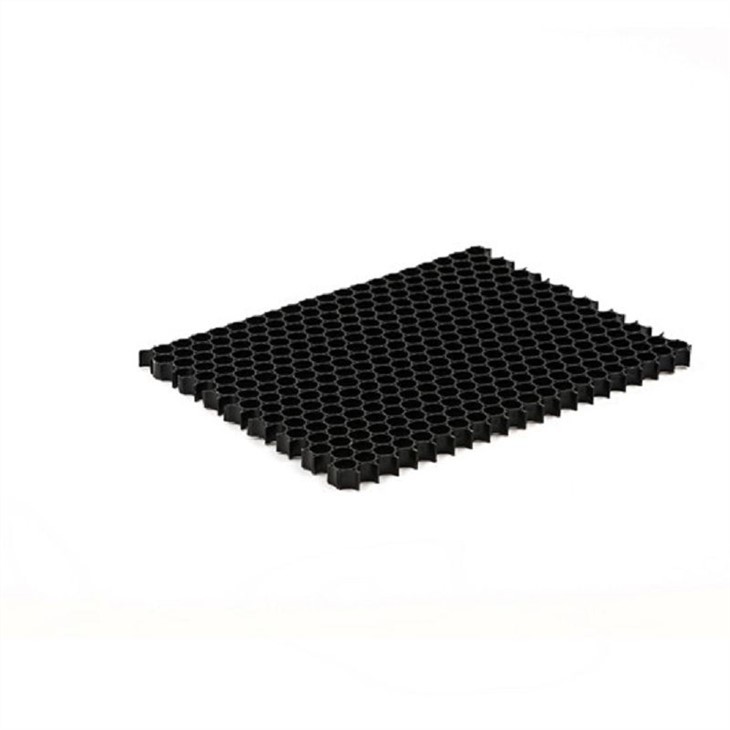
The Thermoplastic Honeycomb Core is a key component of these panels. It is made from thermoplastic materials, which offer advantages such as good chemical resistance, recyclability, and ease of processing. The honeycomb structure distributes loads evenly, enhancing the overall stability of the panel.
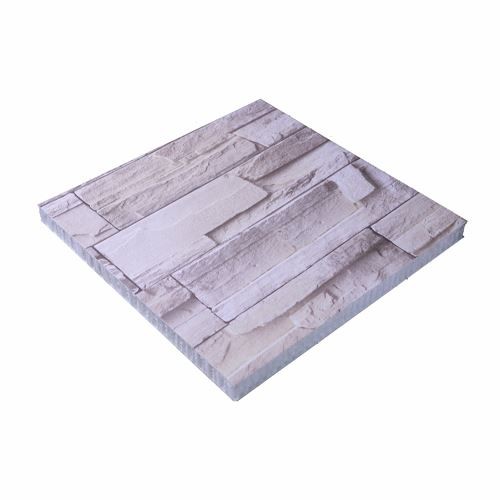
On the other hand, Honeycomb - building - panels are available in different sizes and configurations, which can be customized according to specific requirements. They are commonly used in industries where lightweight and high - strength materials are needed, such as construction, transportation, and aerospace.
2. Requirements for Subway Environments
Subways are high - traffic public transportation systems, and the safety and comfort of passengers are of utmost importance. There are several key requirements for materials used in subways:
- Safety: Safety is the top priority. Subway floors are often exposed to moisture, dirt, and foot traffic. A non - slip surface is essential to prevent passengers from slipping, especially during peak hours when the carriages are crowded.
- Durability: Subway facilities are in constant use. The materials need to withstand heavy wear and tear, including abrasion from shoes, impacts from luggage, and the movement of cleaning equipment.
- Fire Resistance: In case of a fire, subway materials should have good fire - resistant properties to prevent the spread of flames and reduce the release of toxic gases.
- Cleanability: Easy cleaning is necessary to maintain a hygienic environment. The materials should not absorb dirt easily and should be able to be cleaned with common cleaning agents.
- Lightweight: Since subways need to be energy - efficient, lightweight materials can help reduce the overall weight of the train, which in turn can save energy and reduce operating costs.
3. Advantages of Using Non Slip Honeycomb Panels in Subways
- Safety Enhancement: The non - slip surface of honeycomb panels provides a high level of traction, significantly reducing the risk of slips and falls. This is crucial in subway environments where passengers may be in a hurry or carrying heavy luggage.
- Lightweight Design: The honeycomb structure makes these panels much lighter than traditional solid materials. Using lightweight panels can contribute to energy savings by reducing the weight of the subway carriages. This, in turn, can lead to lower operating costs and a more sustainable transportation system.
- Durability: Non slip honeycomb panels are highly durable. The honeycomb core provides excellent structural support, and the surface is resistant to abrasion. They can withstand the constant foot traffic and the impact of luggage in subways.
- Fire Resistance: Many non slip honeycomb panels can be manufactured with fire - resistant materials. This helps meet the strict fire - safety requirements in subways and provides an additional layer of protection for passengers.
- Cleanability: The smooth surface of the panels makes them easy to clean. Dirt and stains can be easily removed with regular cleaning, ensuring a clean and hygienic environment in the subway carriages.
4. Challenges and Solutions
- Cost: One of the potential challenges is the cost. Non slip honeycomb panels may be more expensive than some traditional materials. However, considering their long - term benefits, such as energy savings, reduced maintenance costs, and improved safety, the overall cost - effectiveness can be quite high.
- Installation: Proper installation is crucial to ensure the performance of the panels. Specialized installation techniques may be required, and it is important to work with experienced installers. Our company provides installation guidance and training to ensure that the panels are installed correctly.
- Compatibility with Existing Systems: When retrofitting subways with non slip honeycomb panels, compatibility with existing systems, such as drainage and electrical systems, needs to be considered. Our technical team can work with subway operators to design solutions that are compatible with the existing infrastructure.
5. Case Studies
Although there may not be an abundance of large - scale subway projects using non slip honeycomb panels at present, there are some similar applications in the transportation industry. For example, in some high - speed trains, honeycomb panels have been used for interior partitions and floors. These applications have demonstrated the feasibility and advantages of using honeycomb panels in high - traffic transportation environments.
6. Conclusion
Based on the analysis above, non slip honeycomb panels have great potential for use in subways. They meet the key requirements of subway environments, including safety, durability, fire resistance, cleanability, and lightweight design. Although there are some challenges, such as cost and installation, these can be overcome with proper planning and solutions.
As a supplier of Non Slip Honeycomb Panels, we are committed to providing high - quality products and professional services. Our products can be customized to meet the specific needs of subway projects. If you are interested in using non slip honeycomb panels in your subway system, we would be more than happy to discuss your requirements and provide you with a detailed proposal. Contact us today to start the procurement negotiation process and take a step towards a safer and more efficient subway environment.
References
- "Advanced Composite Materials in Transportation Applications" - Journal of Transportation Materials Science
- "Fire Safety Standards for Public Transportation Systems" - International Fire Protection Association
- "Design and Performance of Honeycomb Structures" - Journal of Materials Engineering and Performance