

Hey there! As a supplier of PET honeycomb panels, I often get asked about the permeability of these awesome products. So, let's dive right in and explore what the permeability of a PET honeycomb panel really means.
First off, let's understand what a PET honeycomb panel is. PET stands for polyethylene terephthalate, which is a type of thermoplastic polymer. These honeycomb panels are made by creating a honeycomb - like structure with PET material. The honeycomb design gives the panel a high strength - to - weight ratio, making it super useful in a variety of applications.
Now, permeability refers to the ability of a material to allow substances (like gases or liquids) to pass through it. When it comes to PET honeycomb panels, their permeability can vary depending on several factors.
One of the main factors is the structure of the honeycomb. The size of the honeycomb cells plays a crucial role. If the cells are larger, there's more space for substances to move through, which generally means higher permeability. On the other hand, smaller cells can restrict the flow of substances, resulting in lower permeability.
The thickness of the PET material used in the panel also affects permeability. A thicker panel will typically have lower permeability because there's more material for the substances to pass through. It's like trying to push water through a thick sponge versus a thin one. The thick sponge will slow down the water flow more.
Another factor is the surface treatment of the panel. Some PET honeycomb panels are treated with coatings or laminates. These treatments can either increase or decrease permeability. For example, a waterproof coating will significantly reduce the panel's permeability to water, making it suitable for outdoor applications where water resistance is crucial.
So, why does permeability matter? Well, it depends on the application. In some cases, high permeability can be an advantage. For instance, in ventilation systems, a PET honeycomb panel with high gas permeability can allow air to flow freely, helping to maintain good air circulation. You can check out more about thermoplastic honeycomb cores at Thermoplastic Honeycomb Core.
On the other hand, low permeability is desirable in applications where you want to prevent the passage of substances. In the construction industry, for example, you might use a PET honeycomb panel with low water permeability for building facades. This helps to keep the interior of the building dry and protected from the elements. You can find more about honeycomb - building - panels at Honeycomb - building - panels.
Let's talk a bit about how we measure the permeability of PET honeycomb panels. There are several standard testing methods available. One common method is the gas permeability test. In this test, a sample of the panel is placed in a chamber, and a known amount of gas is introduced on one side. The amount of gas that passes through the panel to the other side is then measured over a specific period of time.
For liquid permeability, a similar approach is used. A liquid is applied to one side of the panel, and the rate at which it seeps through is measured. These tests give us a quantitative value for the panel's permeability, which helps us determine if it's suitable for a particular application.
Now, let's look at some real - world examples of how the permeability of PET honeycomb panels impacts different industries.
In the automotive industry, PET honeycomb panels are used in interior components. Low permeability panels can be used to prevent the leakage of fluids, such as coolant or oil, which is crucial for the safety and performance of the vehicle. High - strength and low - permeability panels can also help to reduce noise and vibration, providing a more comfortable driving experience.
In the aerospace industry, weight is a critical factor. PET honeycomb panels are lightweight, and their permeability can be tailored to meet specific requirements. For example, in aircraft cabins, panels with low gas permeability can help to maintain the cabin pressure and prevent the loss of oxygen.
In the packaging industry, the permeability of PET honeycomb panels can affect the shelf - life of the products they contain. For food packaging, a panel with low oxygen and moisture permeability can help to keep the food fresh for longer by preventing spoilage.
As a supplier, we work hard to ensure that our PET honeycomb panels have the right level of permeability for our customers' needs. We use advanced manufacturing techniques to control the cell size, thickness, and surface treatment of the panels. This allows us to offer a wide range of products with different permeability characteristics.
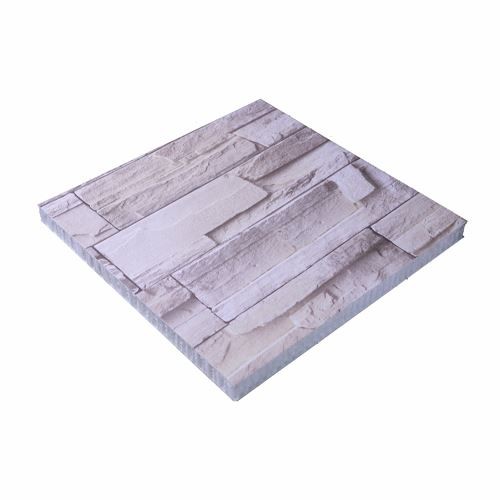
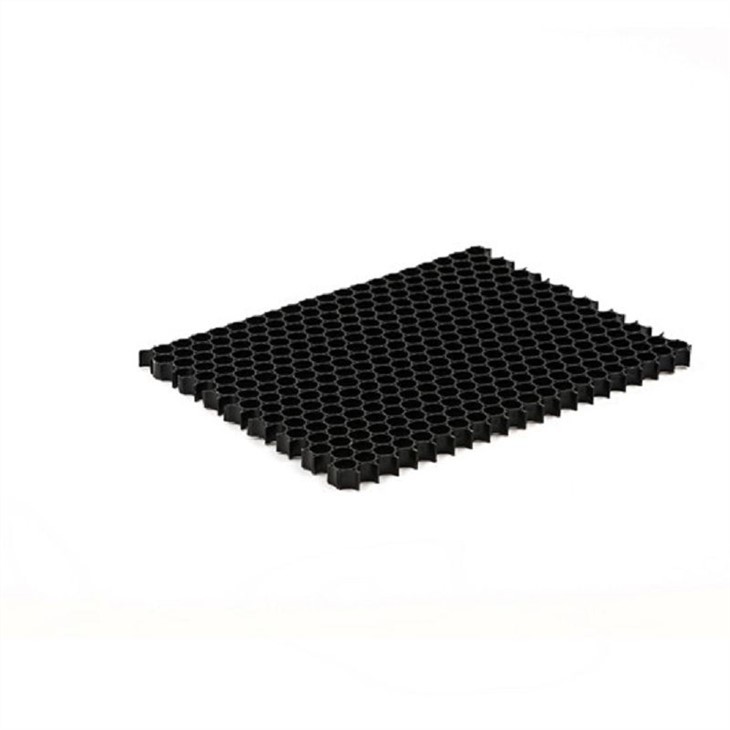
If you're in the market for PET honeycomb panels, whether you need high - permeability panels for ventilation or low - permeability panels for waterproofing, we've got you covered. Our team of experts can help you choose the right product based on your specific requirements.
We understand that every project is unique, and that's why we offer customized solutions. We can work with you to develop a PET honeycomb panel with the exact permeability and other properties you need. Whether you're a small business or a large corporation, we're committed to providing high - quality products and excellent customer service.
So, if you're interested in learning more about our PET honeycomb panels or if you want to start a procurement process, don't hesitate to reach out. We're here to answer all your questions and help you find the perfect solution for your project.
In conclusion, the permeability of a PET honeycomb panel is a crucial property that can significantly impact its performance in various applications. By understanding the factors that affect permeability and working with a reliable supplier, you can ensure that you get the right panel for your needs.
References
- ASTM International standards on material permeability testing
- Industry research papers on the properties of PET honeycomb panels