

Hey there! As a supplier of Non Slip Honeycomb Panels, I often get asked about the heat - resistance of these nifty products. So, I thought I'd take some time to break it down for you.
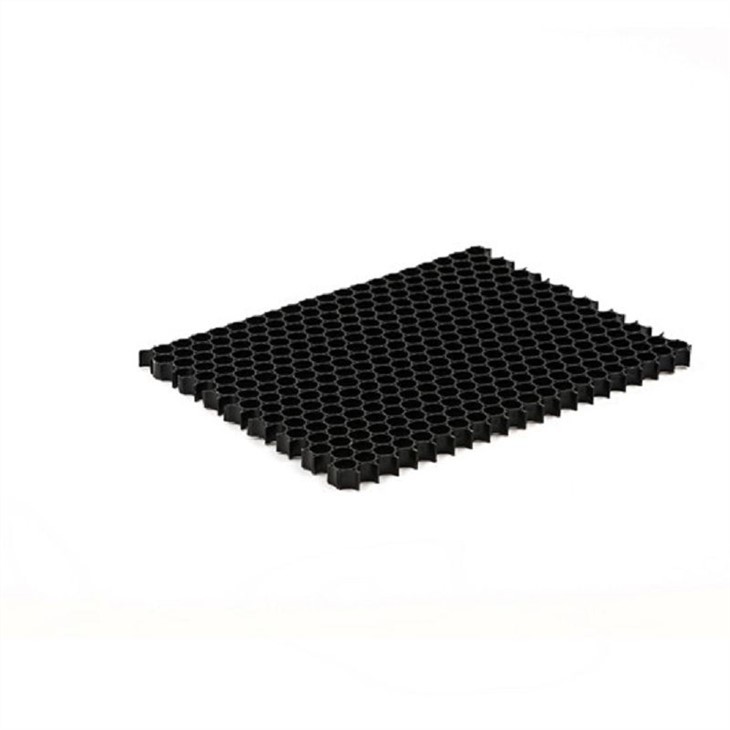
First off, let's understand what non - slip honeycomb panels are. These panels have a honeycomb - like structure, which gives them excellent strength - to - weight ratio. And the non - slip feature is a great addition, making them suitable for a wide range of applications, from industrial settings to household use.
Now, onto the main topic: heat resistance. The heat resistance of non - slip honeycomb panels depends on several factors, mainly the materials they're made of.
Materials and Their Heat - Resistant Properties
Thermoplastic Honeycomb Core
Many of our non - slip honeycomb panels use a Thermoplastic Honeycomb Core. Thermoplastics are polymers that become pliable or moldable at a certain elevated temperature and solidify upon cooling.
The heat resistance of thermoplastic honeycomb cores can vary widely. Some common thermoplastics used in these cores include polypropylene (PP). Polypropylene has a relatively good heat - resistant range. It can typically withstand temperatures up to around 100 - 120°C (212 - 248°F) without significant deformation.
This makes it suitable for applications where the panels might be exposed to moderate heat. For example, in some industrial kitchens, where there's some heat from cooking equipment but not extreme high - heat sources, non - slip honeycomb panels with a polypropylene honeycomb core can work just fine.
However, if the temperature goes beyond this range, the polypropylene might start to soften. This could lead to a loss of the panel's structural integrity and its non - slip properties. So, it's crucial to know the temperature limits of the specific thermoplastic used in the honeycomb core.
Other Materials in the Panel
Apart from the honeycomb core, the outer layers of the non - slip honeycomb panels also play a role in heat resistance. The non - slip surface is often made of a special coating or material.
Some non - slip coatings are designed to be more heat - resistant. For instance, silicone - based non - slip coatings can withstand relatively high temperatures. Silicone can typically handle temperatures up to 200 - 250°C (392 - 482°F) without degrading.
If the panel has a silicone non - slip coating, it can be used in more high - heat environments. This could be in areas near industrial ovens or in some automotive applications where there's heat from the engine.
Applications and Heat Considerations
Industrial Applications
In industrial settings, the heat - resistance requirements of non - slip honeycomb panels can vary greatly.
In a manufacturing plant where there are hot processes like metal forging or glassmaking, the panels need to have high heat resistance. Here, panels with a more heat - resistant honeycomb core and outer coating are essential.
On the other hand, in a packaging warehouse where the main concern is preventing slips on the floors, the heat - resistance requirements are much lower. Panels with a standard polypropylene honeycomb core and a basic non - slip coating would be sufficient.
Household Applications
In households, the heat - resistance needs are usually not as extreme. For example, in a bathroom, the panels are mainly exposed to normal room temperatures and the heat from warm water. Non - slip honeycomb panels with a polypropylene core and a simple non - slip coating can work well here.
But in a home workshop where there might be soldering or other heat - generating activities, you'd want a panel with better heat - resistant properties.
Testing the Heat Resistance
As a supplier, we take heat resistance seriously. We conduct various tests on our non - slip honeycomb panels to ensure they meet the required standards.
One common test is the oven test. We place samples of the panels in an oven and gradually increase the temperature. We monitor the panels for any signs of deformation, such as warping or softening.
We also test the non - slip properties after the heat exposure. A panel might still look okay after being heated, but its non - slip surface could be affected. So, we use friction - testing equipment to measure the coefficient of friction before and after the heat test.
Advantages of Good Heat - Resistant Non - Slip Honeycomb Panels
Durability
Panels with good heat resistance are more durable. They can withstand high - heat environments without deteriorating quickly. This means they'll last longer, saving you money in the long run.
Safety
In high - heat areas, having non - slip honeycomb panels with proper heat resistance is crucial for safety. If the panels start to deform due to heat, they can become a tripping hazard.
Applications of Honeycomb - Building - Panels
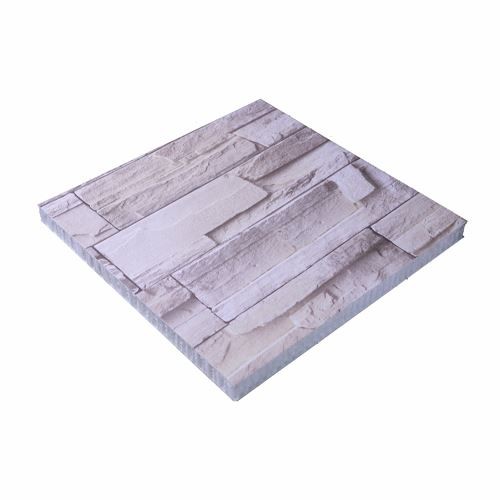
The Honeycomb - building - panels are a type of non - slip honeycomb panels that have a wide range of applications.
In the construction industry, these panels can be used for flooring in areas where there's a risk of slipping and some heat exposure. For example, in boiler rooms or near heating systems.
In the transportation industry, they can be used in the interiors of vehicles, especially in areas where passengers might need a non - slip surface and there's some heat from the engine or other components.
Conclusion
So, there you have it! The heat resistance of non - slip honeycomb panels depends on the materials used in the honeycomb core and the outer layers. It's essential to choose the right panel based on your specific heat - exposure requirements.
If you're in the market for non - slip honeycomb panels and have questions about heat resistance or any other aspect, don't hesitate to reach out. We're here to help you find the perfect solution for your needs. Whether it's for an industrial project, a household use, or something else, we've got the expertise to guide you.
References
- "Polymer Science and Technology" - A textbook on polymer materials and their properties.
- Industry standards and guidelines for non - slip and heat - resistant materials.