

As a supplier of PP honeycomb panels, I've witnessed firsthand the growing interest in these innovative materials, especially regarding their impact on the acoustic performance of a space. In this blog, I'll delve into the science behind how PP honeycomb panels influence sound within a given environment, exploring their benefits, applications, and the factors that contribute to their acoustic effectiveness.
Understanding PP Honeycomb Panels
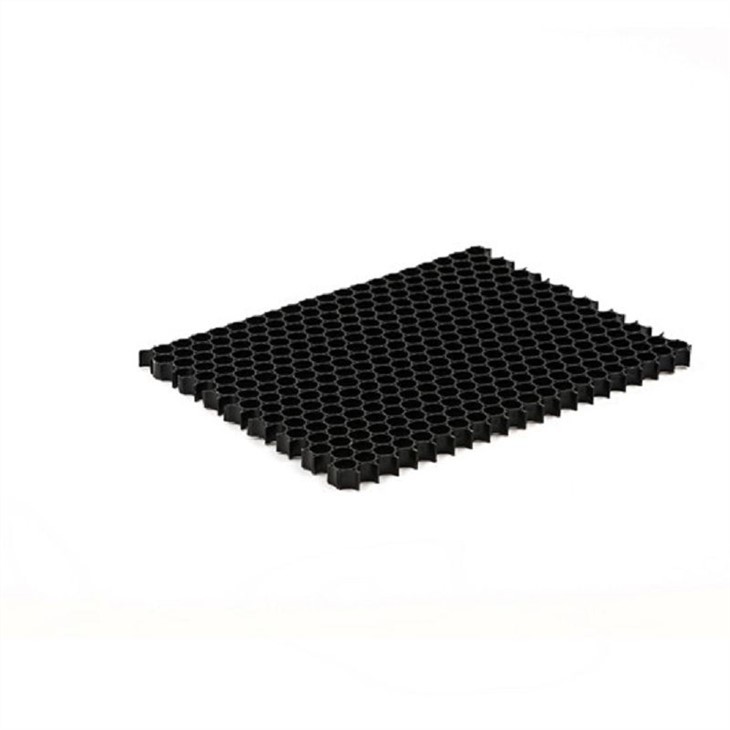
PP honeycomb panels are constructed using polypropylene (PP), a thermoplastic polymer known for its durability, lightweight nature, and chemical resistance. The panels feature a unique honeycomb structure, which consists of hexagonal cells sandwiched between two flat sheets. This design provides exceptional strength-to-weight ratio, making the panels ideal for a wide range of applications, including construction, transportation, and furniture manufacturing.
The honeycomb structure of PP panels plays a crucial role in their acoustic performance. When sound waves enter the panel, they encounter the numerous cells within the honeycomb core. These cells act as tiny resonators, absorbing and dissipating the sound energy through a process called viscoelastic damping. As the sound waves cause the cell walls to vibrate, the energy is converted into heat, effectively reducing the intensity of the sound.
How PP Honeycomb Panels Improve Acoustic Performance
Sound Absorption
One of the primary ways PP honeycomb panels enhance acoustic performance is through sound absorption. Sound absorption refers to the ability of a material to absorb sound energy rather than reflecting it back into the environment. High sound absorption coefficients are desirable in spaces where noise reduction is a priority, such as recording studios, theaters, and offices.
PP honeycomb panels have excellent sound absorption properties due to their porous honeycomb structure. The numerous cells within the core provide a large surface area for sound waves to interact with, increasing the likelihood of absorption. Additionally, the viscoelastic nature of the polypropylene material allows it to dissipate the absorbed sound energy as heat, further reducing the sound level.
The sound absorption performance of PP honeycomb panels can be optimized by adjusting the thickness, density, and cell size of the honeycomb core. Thicker panels generally offer better sound absorption at lower frequencies, while panels with smaller cell sizes tend to be more effective at higher frequencies. By carefully selecting the appropriate panel specifications, it's possible to achieve optimal sound absorption across a wide range of frequencies.
Sound Insulation
In addition to sound absorption, PP honeycomb panels can also provide effective sound insulation. Sound insulation refers to the ability of a material to prevent sound from passing through it. This is particularly important in spaces where privacy and noise control are essential, such as residential buildings, hospitals, and industrial facilities.
The honeycomb structure of PP panels acts as a barrier to sound transmission, reducing the amount of sound that can pass through the panel. The air-filled cells within the core act as insulators, slowing down the transmission of sound waves and reducing their intensity. Additionally, the stiffness and density of the polypropylene material contribute to the panel's sound insulation properties, further enhancing its effectiveness.
The sound insulation performance of PP honeycomb panels can be measured using the Sound Transmission Class (STC) rating. The STC rating is a single-number index that indicates the effectiveness of a material in reducing sound transmission. Higher STC ratings indicate better sound insulation. PP honeycomb panels can achieve relatively high STC ratings, making them a suitable choice for applications where sound insulation is required.
Applications of PP Honeycomb Panels for Acoustic Improvement
Architectural Applications
PP honeycomb panels are widely used in architectural applications to improve the acoustic performance of buildings. They can be used as wall panels, ceiling tiles, and partitions to absorb and insulate sound, creating a more comfortable and productive environment. In commercial buildings, such as offices and hotels, PP honeycomb panels can help reduce noise levels and improve speech intelligibility, enhancing the overall user experience.
In residential buildings, PP honeycomb panels can be used to soundproof bedrooms, living rooms, and home theaters, providing a quieter and more peaceful living environment. They can also be used in schools, hospitals, and other public buildings to create acoustically optimized spaces that meet the specific needs of the occupants.
Transportation Applications
PP honeycomb panels are also used in transportation applications to improve the acoustic performance of vehicles. They can be used as interior trim panels, floor insulation, and engine covers to reduce noise and vibration, enhancing the comfort and quietness of the vehicle cabin. In automotive applications, PP honeycomb panels can help reduce road noise, engine noise, and wind noise, providing a more pleasant driving experience.
In aerospace applications, PP honeycomb panels are used to lightweight the aircraft structure while maintaining excellent acoustic performance. They can be used as interior panels, partitions, and insulation materials to reduce noise levels and improve the comfort of passengers and crew.
Furniture Applications
PP honeycomb panels are increasingly being used in furniture applications to improve the acoustic performance of furniture pieces. They can be used as table tops, cabinet doors, and chair backs to absorb and insulate sound, creating a more peaceful and quiet environment. In office furniture, PP honeycomb panels can help reduce noise distractions and improve concentration, enhancing productivity.
In home furniture, PP honeycomb panels can be used to create acoustically optimized spaces, such as home offices and media rooms. They can also be used in furniture for educational institutions, libraries, and other public spaces to provide a quiet and comfortable environment for learning and relaxation.
Factors Affecting the Acoustic Performance of PP Honeycomb Panels
Panel Thickness
The thickness of the PP honeycomb panel is one of the most important factors affecting its acoustic performance. Thicker panels generally offer better sound absorption and insulation properties, especially at lower frequencies. However, thicker panels may also be heavier and more expensive, so it's important to balance the acoustic performance requirements with the practical considerations of the application.
Cell Size
The cell size of the honeycomb core also has a significant impact on the acoustic performance of the panel. Panels with smaller cell sizes tend to be more effective at higher frequencies, while panels with larger cell sizes are better at lower frequencies. By adjusting the cell size, it's possible to optimize the sound absorption and insulation performance of the panel across a wide range of frequencies.
Density
The density of the PP honeycomb panel is another important factor that affects its acoustic performance. Higher density panels generally offer better sound absorption and insulation properties, but they may also be heavier and more expensive. Lower density panels are lighter and more cost-effective, but they may not provide the same level of acoustic performance.
Surface Finish
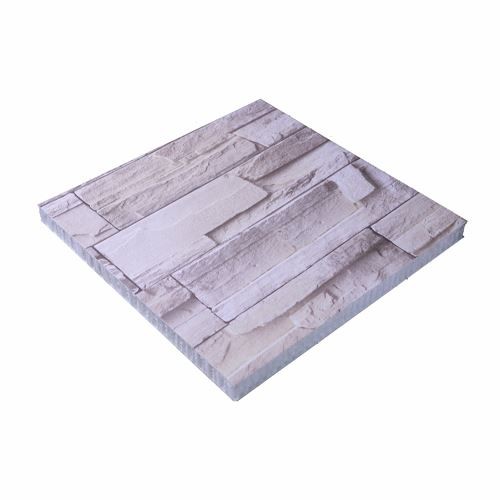
The surface finish of the PP honeycomb panel can also affect its acoustic performance. Smooth surfaces tend to reflect sound waves, while textured surfaces can help to scatter and absorb sound. By choosing a panel with a textured surface finish, it's possible to improve the sound absorption properties of the panel.
Conclusion
PP honeycomb panels offer significant benefits for improving the acoustic performance of a space. Their unique honeycomb structure provides excellent sound absorption and insulation properties, making them suitable for a wide range of applications in architecture, transportation, and furniture manufacturing. By carefully selecting the appropriate panel specifications, it's possible to achieve optimal acoustic performance across a wide range of frequencies.
As a supplier of PP honeycomb panels, I'm committed to providing high-quality products that meet the specific acoustic requirements of our customers. If you're interested in learning more about how our Thermoplastic Honeycomb Core and Honeycomb-building-panels can improve the acoustic performance of your project, please don't hesitate to contact us. We'd be happy to discuss your needs and provide you with a customized solution.
References
- Beranek, Leo L. Acoustics. American Institute of Physics, 1986.
- Craik, Robert J. Honeycomb Structures: Design, Manufacture and Application. Cambridge University Press, 2012.
- Fahy, Frank. Sound and Structural Vibration: Radiation, Transmission and Response. Academic Press, 2004.