

Yo, what's up everyone! I'm a supplier of PP Honeycomb Core, and today I wanna talk about something super important: the fatigue resistance of PP Honeycomb Core.
So, first off, let's break down what fatigue resistance actually means. Fatigue resistance is all about how well a material can handle repeated stress or loading over time without breaking down or losing its performance. You know, like when you bend a paperclip back and forth a few times, it'll eventually snap. That's because it's reached its fatigue limit.
Now, PP Honeycomb Core is a pretty amazing material when it comes to fatigue resistance. Polypropylene (PP), which is the base material of the honeycomb core, has some inherent properties that give it an edge in this department. PP is a thermoplastic polymer, and it's known for its flexibility and toughness. These qualities allow the honeycomb core to withstand a lot of wear and tear.
One of the key factors contributing to the fatigue resistance of PP Honeycomb Core is its unique honeycomb structure. The honeycomb design is not just for looks; it's a brilliant engineering feat. The hexagonal cells distribute stress evenly across the material. When a load is applied, instead of concentrating the stress in one spot, the honeycomb structure spreads it out. This means that the core can handle repeated loads without any single part getting over - stressed and failing.
Let's take a real - world example. Think about Honeycomb - building - panels. These panels are often used in construction and architecture. They're exposed to all sorts of environmental factors and mechanical loads. The PP Honeycomb Core inside these panels helps them resist fatigue caused by things like wind, vibrations from traffic or machinery, and even temperature changes. Over time, these panels can maintain their structural integrity, which is crucial for the safety and longevity of the building.
Another area where the fatigue resistance of PP Honeycomb Core shines is in the transportation industry. Thermoplastic Honeycomb Core, like the ones we supply, is used in making parts for cars, trains, and airplanes. In vehicles, parts are constantly subjected to vibrations and shocks. The honeycomb core's ability to resist fatigue ensures that these parts don't fail prematurely. For instance, in an aircraft, lightweight yet strong components made with PP Honeycomb Core can endure the constant stress of take - offs, landings, and in - flight vibrations. You can learn more about our Thermoplastic Honeycomb Core on our website.
But how do we measure the fatigue resistance of PP Honeycomb Core? Well, there are a few standard tests. One common method is the cyclic loading test. In this test, a sample of the honeycomb core is subjected to a repeated load at a specific frequency and amplitude. The number of cycles it can withstand before failure is recorded. This gives us an idea of how well the material will perform in real - world applications where it'll face repeated stress.
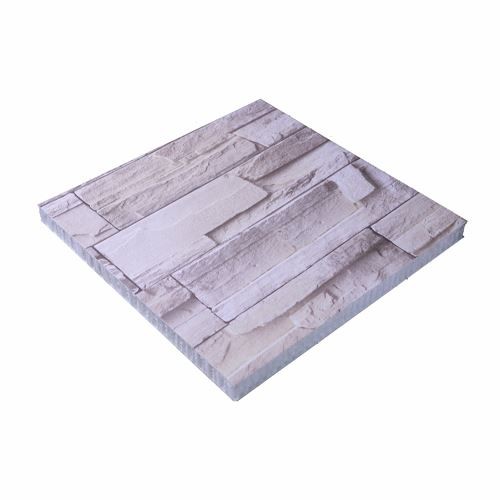
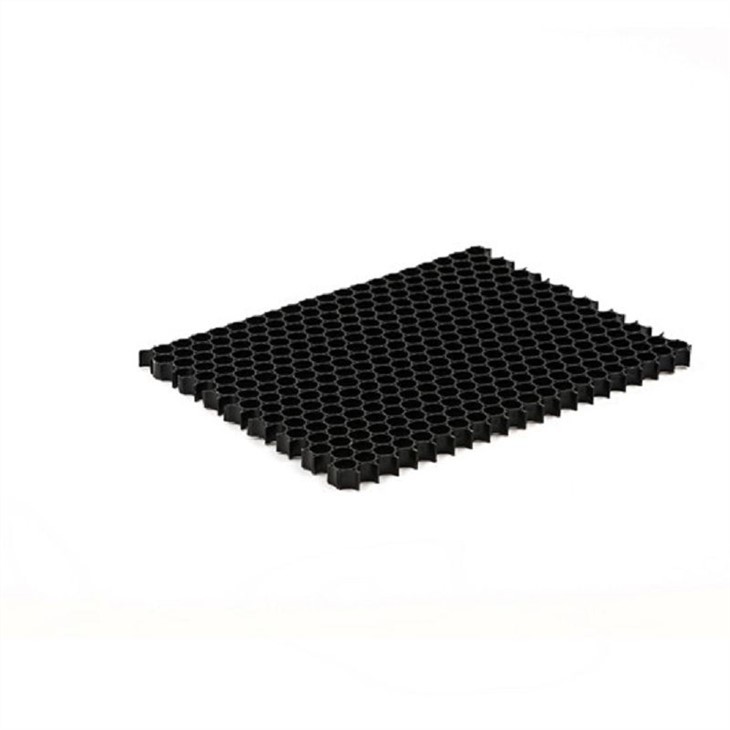
The fatigue resistance of PP Honeycomb Core also depends on some other factors. The thickness of the cell walls in the honeycomb structure matters. Thicker cell walls generally mean better fatigue resistance because they can handle more stress. The density of the honeycomb also plays a role. A higher - density honeycomb can distribute stress more effectively, leading to improved fatigue performance.
Now, let's talk about the benefits of using PP Honeycomb Core with good fatigue resistance. For one, it reduces maintenance costs. Since the material can last longer under repeated stress, there's less need to replace parts frequently. This is a huge plus for industries where downtime for maintenance can be very costly, like manufacturing and transportation.
It also improves safety. In applications like building construction and aerospace, a failure due to fatigue can have serious consequences. By using PP Honeycomb Core with high fatigue resistance, we can ensure that structures and vehicles are safer for everyone.
In terms of sustainability, the long - lasting nature of PP Honeycomb Core is a big win. Since it doesn't need to be replaced as often, there's less waste generated. And polypropylene is a recyclable material, so at the end of its life cycle, it can be reused to make new products.
If you're in an industry that could benefit from the fatigue - resistant properties of PP Honeycomb Core, I'd love to hear from you. Whether you're in construction, transportation, or any other field that requires strong and durable materials, our PP Honeycomb Core could be the perfect solution for you. We can work together to find the right product for your specific needs.
So, if you're interested in learning more or starting a procurement discussion, don't hesitate to reach out. Just hit us up, and we'll get the ball rolling on finding the best PP Honeycomb Core for your projects.
References:
- ASTM International standards related to fatigue testing of polymers
- Industry research papers on the properties of polypropylene and honeycomb structures