

Hey there! As a supplier of honeycomb composite boards, I often get asked about how to measure the quality of these amazing products. Honeycomb composite boards are used in a wide range of industries, from construction to aerospace, and getting the quality right is crucial. In this blog, I'll share some key factors that I consider when evaluating the quality of honeycomb composite boards.
Density and Weight
One of the first things I look at is the density and weight of the honeycomb composite board. Density is a measure of how much mass is packed into a given volume. A higher density usually means a stronger and more durable board. But it's not just about having a high density; it's about the right balance.
For example, in some applications like Honeycomb-building-panels, you want a board that's not too heavy so it's easy to handle during installation, but still dense enough to provide good structural support. I usually use a simple scale to measure the weight of a sample board and then calculate the density based on its dimensions.
If the board is too light, it might not have enough strength to withstand the loads it's designed for. On the other hand, if it's too heavy, it can add unnecessary weight to the overall structure, which can be a problem, especially in applications where weight is a critical factor, like in the aerospace industry.
Core Material Quality
The core material of a honeycomb composite board is like the backbone of the product. Most of the honeycomb cores I deal with are made from materials like paper, aluminum, or Thermoplastic Honeycomb Core. Each material has its own set of properties that affect the quality of the board.
Paper cores are cost - effective and lightweight, but they might not be suitable for applications where moisture resistance is required. Aluminum cores, on the other hand, are strong, lightweight, and have good corrosion resistance. They're often used in high - performance applications.
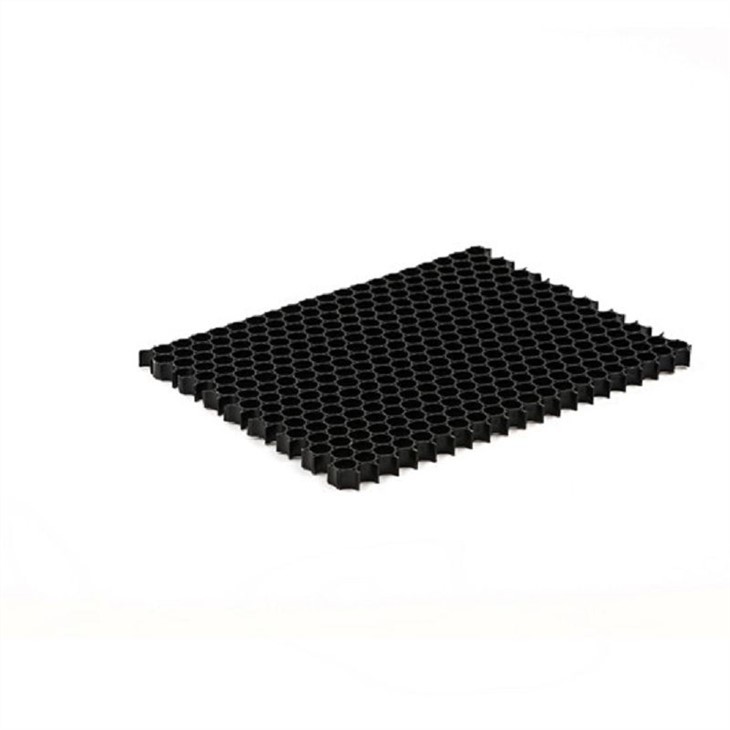
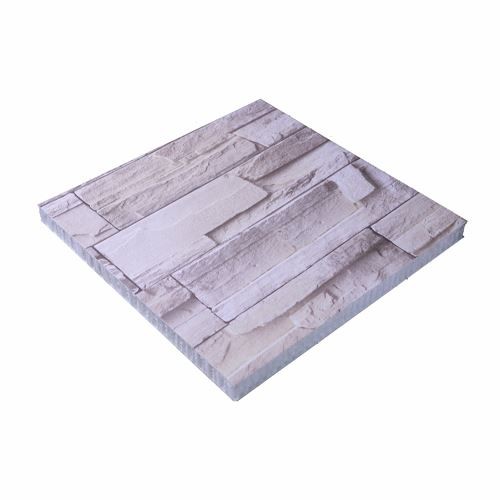
Thermoplastic honeycomb cores are becoming increasingly popular because they offer a great combination of strength, lightweight, and recyclability. When I'm evaluating the quality of the core material, I look at things like the cell size, wall thickness, and the overall uniformity of the honeycomb structure. A well - made core should have consistent cell sizes and wall thicknesses throughout the board. Any irregularities can weaken the board and lead to performance issues.
Bonding Strength
The bonding between the face sheets and the core is another critical aspect of honeycomb composite board quality. A strong bond ensures that the board functions as a single unit, transferring loads effectively between the face sheets and the core.
I use a few different methods to test the bonding strength. One simple way is to do a visual inspection. I look for any signs of delamination, such as gaps or bubbles between the face sheets and the core. If I see any of these, it's a red flag that the bonding might not be up to par.
Another method is to perform a peel test. I take a small sample of the board and try to peel the face sheet away from the core. If the face sheet comes off easily, it means the bonding strength is weak. A good quality honeycomb composite board should have a bonding strength that can withstand normal handling and the loads it will encounter in its intended application.
Flatness and Surface Finish
The flatness of a honeycomb composite board is important, especially in applications where a smooth surface is required. I use a straightedge to check the flatness of the board. Any significant deviations from a straight line can cause problems during installation or when the board is used in precision applications.
The surface finish of the face sheets also matters. A smooth surface finish not only looks better but can also improve the performance of the board. For example, in applications where the board is in contact with other components, a smooth surface can reduce friction and wear. I look for a uniform surface finish without any scratches, dents, or other imperfections.
Fire Resistance
In many applications, especially in construction and transportation, fire resistance is a key consideration. I test the fire resistance of honeycomb composite boards using standard fire tests. These tests measure how the board behaves when exposed to fire, including factors like flame spread, heat release, and smoke generation.
A high - quality honeycomb composite board should have a good fire rating, meaning it can resist the spread of fire and limit the amount of heat and smoke it generates. This not only helps to ensure the safety of the people using the structure but also complies with building codes and regulations.
Chemical Resistance
Depending on the application, a honeycomb composite board might be exposed to various chemicals. For example, in the chemical industry or in outdoor applications where the board might be exposed to environmental pollutants, chemical resistance is important.
I test the chemical resistance of the board by exposing a sample to different chemicals and observing how it reacts. A good quality board should not be affected by common chemicals it's likely to encounter in its intended environment. Any signs of corrosion, swelling, or discoloration after exposure to chemicals indicate poor chemical resistance.
Impact Resistance
Impact resistance is crucial, especially in applications where the board might be subjected to accidental impacts. I test the impact resistance of honeycomb composite boards using a pendulum impact tester. This tester strikes the board with a known amount of energy, and I measure how well the board withstands the impact.
A high - quality honeycomb composite board should be able to absorb the impact energy without cracking or breaking. This is important for ensuring the longevity of the board and the safety of the structure it's used in.
Conclusion
Measuring the quality of a honeycomb composite board involves looking at a variety of factors, from density and core material quality to bonding strength and fire resistance. By carefully evaluating these factors, I can ensure that the honeycomb composite boards I supply meet the highest standards of quality.
If you're in the market for honeycomb composite boards and want to learn more about our products or have any questions about quality, feel free to reach out. We're always happy to have a chat and discuss how our boards can meet your specific needs. Whether you're working on a small DIY project or a large - scale industrial application, we've got the right honeycomb composite board for you. Let's start a conversation and see how we can work together!
References
- ASTM International standards for composite materials testing
- Industry reports on honeycomb composite board applications and performance
So, don't hesitate to contact us if you're interested in purchasing high - quality honeycomb composite boards. We're here to help you make the right choice for your project.