

As a supplier of PET honeycomb panels, I often encounter inquiries from customers regarding the fire - resistance of these innovative products. In this blog, I aim to provide a comprehensive and scientific analysis of whether PET honeycomb panels are fire - resistant, exploring the properties of PET, the fire - safety features of honeycomb panels, and relevant testing standards.
Understanding PET (Polyethylene Terephthalate)
PET is a thermoplastic polymer resin of the polyester family. It is widely used in various industries, from packaging to textiles, due to its excellent mechanical properties, transparency, and chemical resistance. However, when it comes to fire safety, the inherent properties of PET need to be carefully considered.
PET is a flammable material. When exposed to an open flame, it will melt and burn, releasing heat, smoke, and potentially toxic gases. The melting point of PET is typically around 245 - 260°C, and it starts to decompose and burn at higher temperatures. This characteristic raises concerns about the fire - safety of products made from PET, including honeycomb panels.
Structure and Design of PET Honeycomb Panels
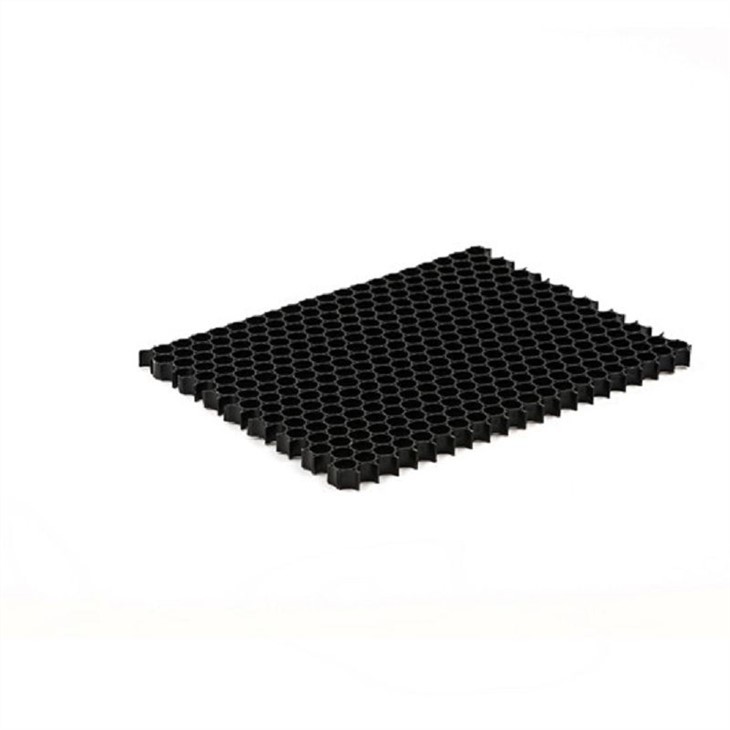
PET honeycomb panels consist of a honeycomb core made of PET, sandwiched between two face sheets. The honeycomb structure provides excellent strength - to - weight ratio, making these panels lightweight yet sturdy. The face sheets can be made of different materials, such as aluminum, fiberglass, or plastic, which can significantly influence the overall fire - resistance of the panel.
The honeycomb core itself, being made of PET, has limited fire - resistance on its own. However, the design of the honeycomb structure can have some impact on the fire behavior of the panel. The honeycomb cells act as a barrier, reducing the spread of flames and heat to some extent. The air trapped within the cells also provides a certain degree of insulation, which can slow down the heating of the panel and the ignition of the PET material.
Fire - Resistance Testing and Standards
To determine the fire - resistance of PET honeycomb panels, they need to undergo various fire - safety tests according to international standards. One of the most commonly used standards is the UL 94 standard, which classifies plastics based on their flammability. The UL 94 ratings range from V - 0 (the highest level of fire - resistance) to HB (the lowest level).
PET honeycomb panels can be treated with flame - retardant additives to improve their fire - resistance. These additives work by either preventing the ignition of the material, reducing the rate of flame spread, or suppressing the production of smoke and toxic gases. When properly formulated and tested, PET honeycomb panels can achieve relatively high UL 94 ratings, such as V - 1 or V - 0, indicating good fire - resistance.
Another important standard is the ASTM E84 standard, which measures the surface burning characteristics of building materials. This test evaluates the flame spread index (FSI) and the smoke - developed index (SDI) of the material. A lower FSI and SDI indicate better fire - safety performance. PET honeycomb panels with appropriate flame - retardant treatments can meet the requirements of the ASTM E84 standard for use in building applications.
Applications and Fire - Safety Considerations
PET honeycomb panels are used in a wide range of applications, including transportation, construction, and furniture. In each application, the fire - safety requirements may vary.
In the transportation industry, such as in aircraft and trains, strict fire - safety regulations are in place to ensure the safety of passengers. PET honeycomb panels used in these applications need to meet high - level fire - resistance standards to prevent the rapid spread of fire and the release of toxic gases. Flame - retardant treatments are essential to make these panels suitable for use in transportation.
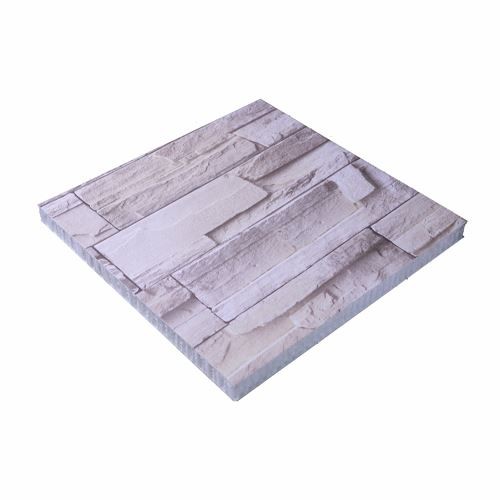
In the construction industry, PET honeycomb panels can be used for interior partitions, wall cladding, and roofing. The fire - resistance requirements depend on the building code and the location of the panel within the building. For example, panels used in public buildings or areas with high fire risks may need to have a higher level of fire - resistance compared to those used in residential buildings.
In the furniture industry, fire - safety is also an important consideration, especially for furniture used in public spaces. PET honeycomb panels can be used to make lightweight and durable furniture, but they need to be treated to meet the relevant fire - safety standards.
Enhancing Fire - Resistance of PET Honeycomb Panels
As a supplier, we are constantly working on improving the fire - resistance of our PET honeycomb panels. One of the key strategies is the use of advanced flame - retardant additives. These additives are carefully selected and formulated to achieve the best balance between fire - resistance, mechanical properties, and environmental friendliness.
We also focus on the design and manufacturing process of the panels. By optimizing the thickness of the face sheets, the density of the honeycomb core, and the bonding between the core and the face sheets, we can enhance the overall fire - safety performance of the panels. Additionally, we conduct rigorous quality control and testing to ensure that our panels meet or exceed the relevant fire - resistance standards.
Conclusion
In conclusion, while PET itself is a flammable material, PET honeycomb panels can be made fire - resistant through the use of flame - retardant additives, proper design, and manufacturing techniques. The fire - resistance of these panels depends on various factors, including the type of flame - retardant treatment, the design of the honeycomb structure, and the materials used for the face sheets.
When considering the use of PET honeycomb panels in different applications, it is crucial to evaluate their fire - safety performance based on the relevant standards and regulations. As a supplier, we are committed to providing high - quality PET honeycomb panels that meet the diverse fire - safety needs of our customers.
If you are interested in our Thermoplastic Honeycomb Core or Honeycomb - building - panels, or have any questions about the fire - resistance of our products, please feel free to contact us for further discussion and procurement negotiations. We look forward to working with you to find the best solutions for your projects.
References
- ASTM International. ASTM E84 - 21a Standard Test Method for Surface Burning Characteristics of Building Materials.
- Underwriters Laboratories. UL 94 Standard for Tests for Flammability of Plastic Materials for Parts in Devices and Appliances.