

What is the density of honeycomb composite boards?
As a supplier of honeycomb composite boards, I often get asked about the density of these remarkable materials. Honeycomb composite boards are known for their lightweight yet strong characteristics, and density plays a crucial role in determining their performance and suitability for various applications.
Density is defined as the mass per unit volume of a substance. In the context of honeycomb composite boards, it refers to how much mass is packed into a given volume of the board. The density of honeycomb composite boards can vary significantly depending on several factors, including the materials used for the core and the face sheets, the manufacturing process, and the intended application.
Factors Affecting the Density of Honeycomb Composite Boards
Core Material
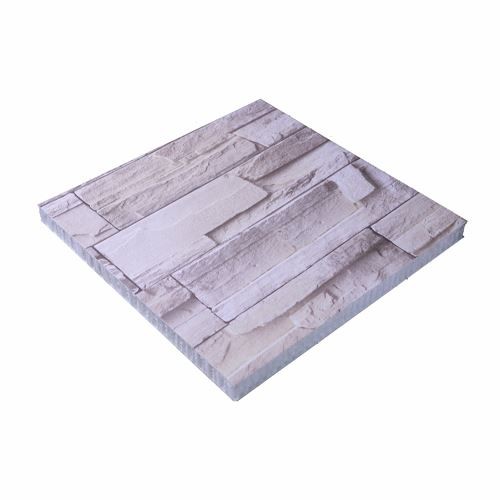
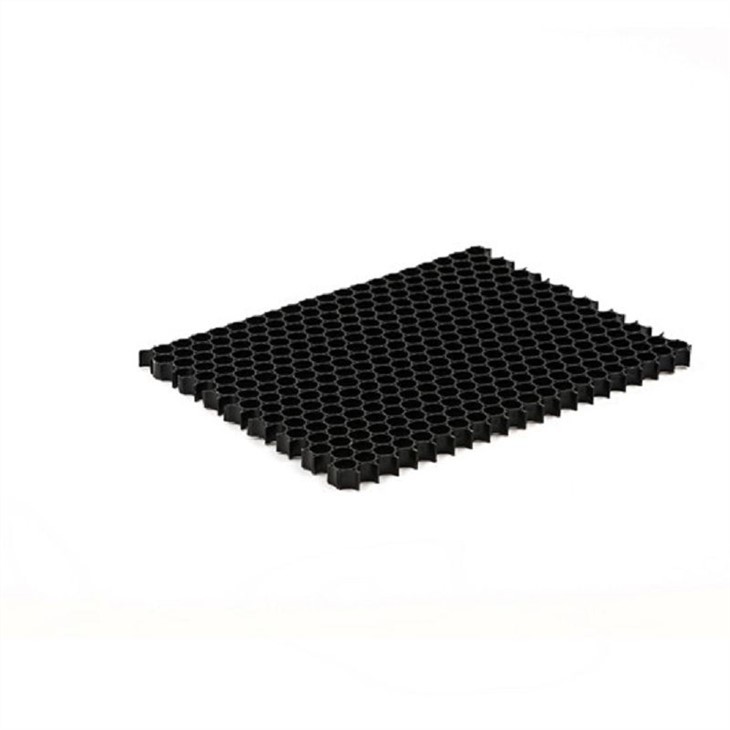
The core of a honeycomb composite board is typically made of materials such as paper, aluminum, or Thermoplastic Honeycomb Core. Each material has its own inherent density, which directly impacts the overall density of the board. For example, paper cores are generally the lightest, with densities ranging from around 6 kg/m³ to 20 kg/m³. Aluminum cores are heavier, with densities typically between 100 kg/m³ and 300 kg/m³. Thermoplastic honeycomb cores offer a balance between weight and strength, with densities usually in the range of 25 kg/m³ to 100 kg/m³.
Face Sheet Material
The face sheets of honeycomb composite boards are usually made of materials like wood, plastic, metal, or fiberglass. The density of the face sheet material also contributes to the overall density of the board. For instance, a board with a thick wooden face sheet will be denser than one with a thin plastic face sheet. The choice of face sheet material depends on the specific requirements of the application, such as the need for durability, aesthetics, or resistance to environmental factors.
Manufacturing Process
The manufacturing process can also affect the density of honeycomb composite boards. Different methods of bonding the core and the face sheets can result in variations in density. For example, some processes may use adhesives that add additional weight to the board, while others may use techniques that minimize the amount of adhesive used, resulting in a lighter board. Additionally, the compression ratio during the manufacturing process can impact the density of the honeycomb core, with higher compression ratios generally leading to higher densities.
Importance of Density in Honeycomb Composite Boards
The density of honeycomb composite boards is an important consideration for several reasons:
Strength-to-Weight Ratio
One of the key advantages of honeycomb composite boards is their high strength-to-weight ratio. By carefully selecting the core and face sheet materials and controlling the density, manufacturers can create boards that are both strong and lightweight. This makes them ideal for applications where weight is a critical factor, such as in the aerospace, automotive, and marine industries.
Structural Performance
The density of honeycomb composite boards can also affect their structural performance. Higher density boards generally have greater stiffness and load-bearing capacity, making them suitable for applications that require strong support, such as in building construction or industrial equipment. On the other hand, lower density boards may be more flexible and suitable for applications where a certain degree of flexibility is required, such as in signage or packaging.
Cost
The density of honeycomb composite boards can also impact their cost. Generally, higher density boards are more expensive due to the use of more materials and the additional manufacturing processes required to achieve the desired density. Therefore, it is important to consider the cost-benefit ratio when selecting a honeycomb composite board for a particular application.
Typical Density Ranges for Honeycomb Composite Boards
The density of honeycomb composite boards can vary widely depending on the factors mentioned above. However, here are some typical density ranges for different types of honeycomb composite boards:
Paper Core Honeycomb Composite Boards
These boards are the lightest and are commonly used in applications where weight is a major concern, such as in packaging and display materials. The density of paper core honeycomb composite boards typically ranges from 10 kg/m³ to 50 kg/m³.
Aluminum Core Honeycomb Composite Boards
Aluminum core honeycomb composite boards offer a good balance between strength and weight. They are often used in applications that require high strength and durability, such as in aerospace and transportation. The density of aluminum core honeycomb composite boards usually ranges from 100 kg/m³ to 300 kg/m³.
Thermoplastic Core Honeycomb Composite Boards
Thermoplastic core honeycomb composite boards are known for their versatility and can be used in a wide range of applications, including building construction, furniture, and automotive interiors. The density of thermoplastic core honeycomb composite boards typically ranges from 25 kg/m³ to 100 kg/m³.
Applications of Honeycomb Composite Boards Based on Density
The density of honeycomb composite boards makes them suitable for a variety of applications. Here are some examples:
Low-Density Honeycomb Composite Boards
Low-density honeycomb composite boards are often used in applications where weight is a critical factor, such as in packaging, signage, and display materials. Their lightweight nature makes them easy to handle and transport, while their strength and stiffness provide adequate support for the intended use.
Medium-Density Honeycomb Composite Boards
Medium-density honeycomb composite boards are commonly used in applications that require a balance between weight and strength, such as in furniture, interior partitions, and automotive interiors. They offer good structural performance while remaining relatively lightweight, making them a cost-effective choice for these applications.
High-Density Honeycomb Composite Boards
High-density honeycomb composite boards are typically used in applications that require high strength and durability, such as in building construction, aerospace, and transportation. Their high density provides excellent load-bearing capacity and resistance to impact and deformation, making them suitable for demanding applications.
Conclusion
In conclusion, the density of honeycomb composite boards is a crucial factor that affects their performance, suitability for different applications, and cost. As a supplier of honeycomb composite boards, we understand the importance of providing our customers with products that meet their specific requirements. By carefully selecting the core and face sheet materials and controlling the manufacturing process, we can offer a wide range of honeycomb composite boards with different densities to suit various applications.
If you are interested in learning more about our honeycomb composite boards or would like to discuss your specific requirements, please feel free to contact us. We look forward to working with you to find the perfect honeycomb composite board solution for your project.
References
- "Honeycomb Composites: Materials, Manufacturing, and Applications" by John W. Gillespie Jr. and Anil K. Roy
- "Advanced Composites in Aerospace Engineering" by M. K. Bhanu and K. Chandrasekhara
- "Composite Materials Handbook" by SAE International