

Hey there! As a supplier of PP Honeycomb Core, I've been getting a lot of questions lately about its limitations. You know, while PP Honeycomb Core is an amazing material with tons of great features, it's not without its drawbacks. So, I thought I'd sit down and write this blog to share my insights on the potential limitations of using PP Honeycomb Core.
1. Temperature Sensitivity
One of the most significant limitations of PP Honeycomb Core is its temperature sensitivity. PP, or polypropylene, is a thermoplastic material. This means that its physical properties can change quite a bit with temperature variations.
At high temperatures, PP Honeycomb Core can start to soften. The melting point of polypropylene is typically around 160 - 170°C (320 - 338°F). If the core is exposed to temperatures close to or above this range, it will lose its structural integrity. For example, in an industrial environment where there are high - heat processes, or in a sunny outdoor setting where the panels might heat up significantly, the core can become deformed. This is a major concern for applications where the material needs to maintain its shape and strength under high - temperature conditions.
On the other hand, at low temperatures, PP Honeycomb Core can become brittle. When it gets really cold, the polymer chains in the polypropylene become less flexible, and the material is more likely to crack or break under stress. This can be a problem in cold storage facilities or in outdoor applications in extremely cold climates.
2. Chemical Resistance Limitations
While PP Honeycomb Core generally has good chemical resistance, it's not impervious to all chemicals. Some solvents and strong oxidizing agents can attack the polypropylene material. For instance, certain aromatic hydrocarbons, chlorinated solvents, and concentrated acids can cause swelling, cracking, or even dissolution of the core over time.
In industrial settings where there are chemical spills or constant exposure to harsh chemicals, the long - term performance of PP Honeycomb Core can be compromised. If you're considering using PP Honeycomb Core in an environment where it will come into contact with chemicals, it's crucial to test the material's compatibility with those specific chemicals first. You can find more information about the chemical resistance of our Thermoplastic Honeycomb Core on our website.
3. Surface Finish and Adhesion
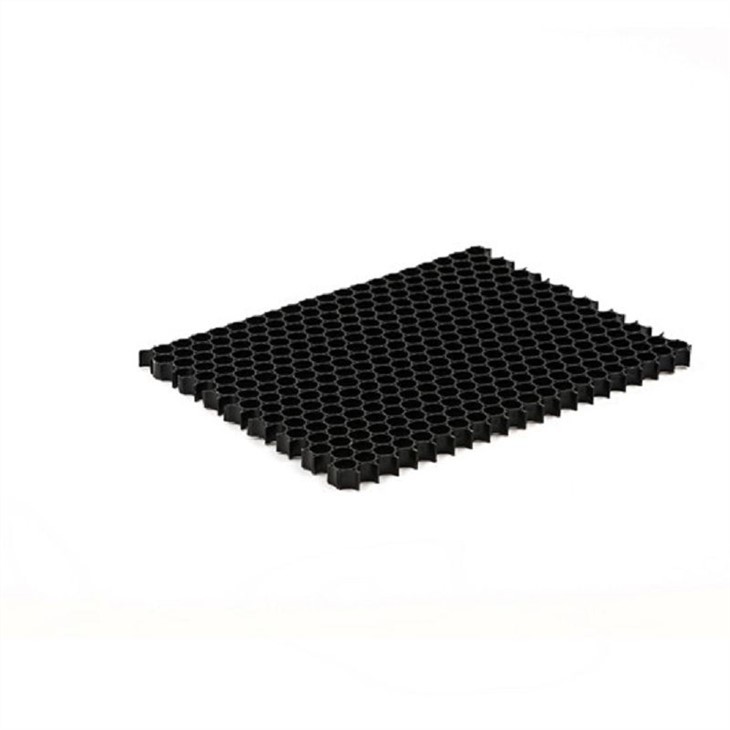
PP Honeycomb Core has a relatively smooth and non - porous surface. While this can be an advantage in some applications, it can also pose challenges when it comes to surface finishing and adhesion.
When you want to paint or coat the PP Honeycomb Core, it can be difficult to get good adhesion. The smooth surface doesn't provide a lot of mechanical grip for paints or coatings, and the non - polar nature of polypropylene makes it hard for many adhesives and paints to bond effectively. Special surface treatments, such as corona treatment or the use of adhesion promoters, are often required to improve the adhesion of paints, coatings, or other materials to the core.
Similarly, when bonding the PP Honeycomb Core to other materials, finding the right adhesive can be a bit of a headache. Not all adhesives work well with polypropylene, and using the wrong one can result in weak bonds that may fail over time.
4. Impact Resistance
Although PP Honeycomb Core has some level of impact resistance, it may not be the best choice for applications where high - energy impacts are common. The honeycomb structure is designed to distribute loads evenly, but it can still be damaged by sharp or high - force impacts.
For example, in transportation applications where the panels may be subjected to impacts from moving objects or during handling, the core can be dented or cracked. If the impact is severe enough, it can compromise the structural integrity of the entire panel. In such cases, you might need to consider adding additional protective layers or using a different material with higher impact resistance.
5. UV Resistance
PP Honeycomb Core is not naturally very resistant to ultraviolet (UV) radiation. When exposed to sunlight over an extended period, the polypropylene can degrade. UV rays can break down the polymer chains in the material, causing it to become brittle, discolor, and lose its strength.
If you're planning to use PP Honeycomb Core in outdoor applications, you'll need to take steps to protect it from UV damage. This can include adding UV stabilizers during the manufacturing process or applying a UV - resistant coating to the surface of the core. However, these additional measures can add to the cost of the product.
6. Recycling and Environmental Considerations
While polypropylene is a recyclable material, the recycling process for PP Honeycomb Core can be complex. The honeycomb structure often contains other materials, such as adhesives or coatings, which can make it difficult to separate and recycle the polypropylene effectively.
In addition, the recycling infrastructure for PP Honeycomb Core may not be as well - developed as for some other materials. This means that in some areas, it may be challenging to find facilities that can properly recycle the core. From an environmental perspective, this can be a concern, especially as more and more companies are looking for sustainable and easily recyclable materials.
So, Is PP Honeycomb Core Still a Good Choice?
Despite these limitations, PP Honeycomb Core is still an excellent material for many applications. Its lightweight, high strength - to - weight ratio, and cost - effectiveness make it a popular choice in industries such as construction, transportation, and packaging.
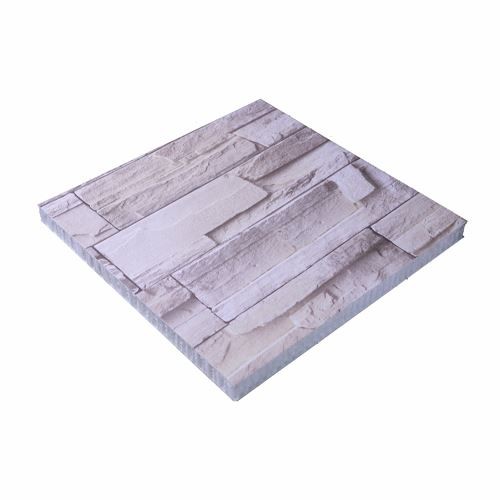
In construction, PP Honeycomb Core can be used in Honeycomb - building - panels for interior partitions, wall cladding, and roofing. In transportation, it's used in vehicle interiors, luggage compartments, and even in some aircraft components. And in packaging, it provides excellent protection for fragile items while keeping the weight of the package down.
If you're aware of the limitations and take appropriate measures to address them, PP Honeycomb Core can be a great solution for your project. We, as a supplier, are always here to help you understand how to work around these limitations and get the most out of our PP Honeycomb Core.
If you're interested in learning more about our PP Honeycomb Core products or have a specific application in mind, don't hesitate to reach out to us for a detailed discussion. We can provide you with samples, technical data, and advice on how to best use our products in your projects. Let's start a conversation and see if our PP Honeycomb Core is the right fit for you!
References
- "Plastics Technology Handbook" by James F. Carley
- "Polypropylene: Structure, Blends and Composites" by A. J. Pennisi and S. Fakirov