

Hey there! As a supplier of PET honeycomb panels, I often get asked about the density of these amazing products. So, let's dive right into it and figure out what the density of a typical PET honeycomb panel is.
First off, let's understand what PET honeycomb panels are. PET, or polyethylene terephthalate, is a type of thermoplastic polymer resin. Honeycomb panels made from PET are known for their lightweight yet strong properties, making them a popular choice in various industries.
The density of a material is basically how much mass it has per unit volume. For PET honeycomb panels, the density can vary depending on a few factors. One of the main factors is the structure of the honeycomb core. The honeycomb core is the part that gives the panel its unique strength - to - weight ratio.
A typical PET honeycomb panel usually has a density ranging from about 30 kg/m³ to 100 kg/m³. This wide range is due to differences in the manufacturing process and the intended application of the panel.
If the panel is going to be used in applications where weight is a critical factor, like in the aerospace or automotive industries, a lower - density panel (around 30 - 50 kg/m³) might be preferred. These lighter panels can help reduce the overall weight of the vehicle or aircraft, which in turn can improve fuel efficiency.
On the other hand, if the panel needs to withstand more stress and load, such as in construction or industrial equipment, a higher - density panel (around 70 - 100 kg/m³) would be a better choice. The increased density provides more strength and durability.
The manufacturing process also plays a big role in determining the density. When making PET honeycomb panels, the extrusion and stretching processes can be adjusted to create different cell sizes and wall thicknesses in the honeycomb core. Smaller cell sizes and thicker walls generally result in a higher - density panel.
Now, let's talk about the benefits of these different densities. A lower - density PET honeycomb panel is not only lightweight but also very cost - effective. It requires less material to produce, which can save on production costs. This makes it a great option for applications where budget is a concern.
Higher - density panels, while more expensive, offer superior mechanical properties. They can resist bending, compression, and impact better than lower - density panels. This makes them ideal for use in structures that need to support heavy loads or endure harsh environments.
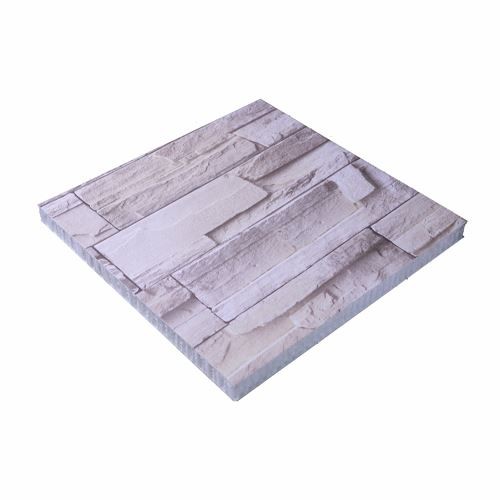
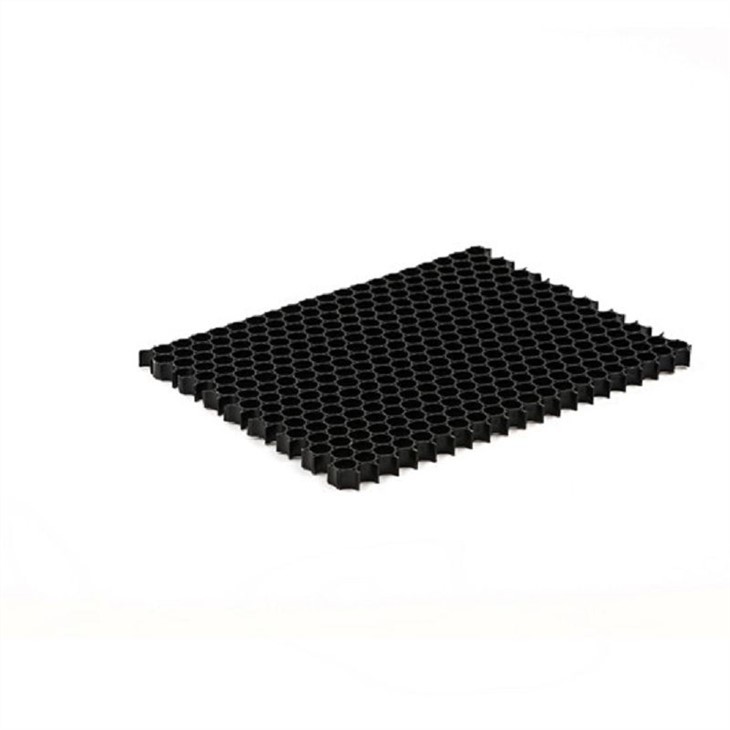
Another factor that can affect the density is the type of skin material used on the panel. The skin is the outer layer that covers the honeycomb core. Different skin materials have different densities, and when combined with the honeycomb core, they can change the overall density of the panel. For example, using a thicker or denser skin material will increase the panel's density.
In the market, you can find a variety of PET honeycomb panels with different densities to suit your specific needs. Whether you're looking for a lightweight solution for a DIY project or a heavy - duty panel for an industrial application, there's a PET honeycomb panel out there for you.
If you're interested in learning more about the different types of honeycomb cores, you can check out this Thermoplastic Honeycomb Core. It provides more in - depth information about the core materials and their properties.
And if you're thinking about using PET honeycomb panels in building applications, take a look at this Honeycomb - building - panels. It gives you an idea of how these panels can be used in construction projects.
As a supplier, I can help you choose the right density of PET honeycomb panel for your project. Whether you need a small quantity for a prototype or a large order for a full - scale production, I've got you covered. I understand that every project is unique, and I'm here to provide you with the best solution.
If you're interested in purchasing PET honeycomb panels, don't hesitate to get in touch. We can discuss your specific requirements, and I'll make sure you get the panels that meet your needs in terms of density, size, and quality.
In conclusion, the density of a typical PET honeycomb panel can vary from 30 kg/m³ to 100 kg/m³, depending on factors like the honeycomb core structure, manufacturing process, skin material, and intended application. By understanding these factors, you can make an informed decision when choosing the right panel for your project.
References
- Industry reports on PET honeycomb panel manufacturing
- Technical specifications from leading PET honeycomb panel producers