

What is the electrical conductivity of honeycomb composite boards?
As a seasoned supplier of honeycomb composite boards, I've received numerous inquiries about the electrical conductivity of these remarkable materials. In this blog post, I aim to shed light on this topic, exploring the factors that influence the electrical conductivity of honeycomb composite boards and their implications in various applications.
Understanding Honeycomb Composite Boards
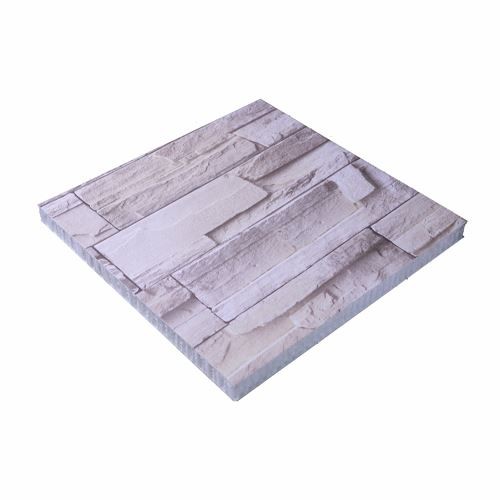
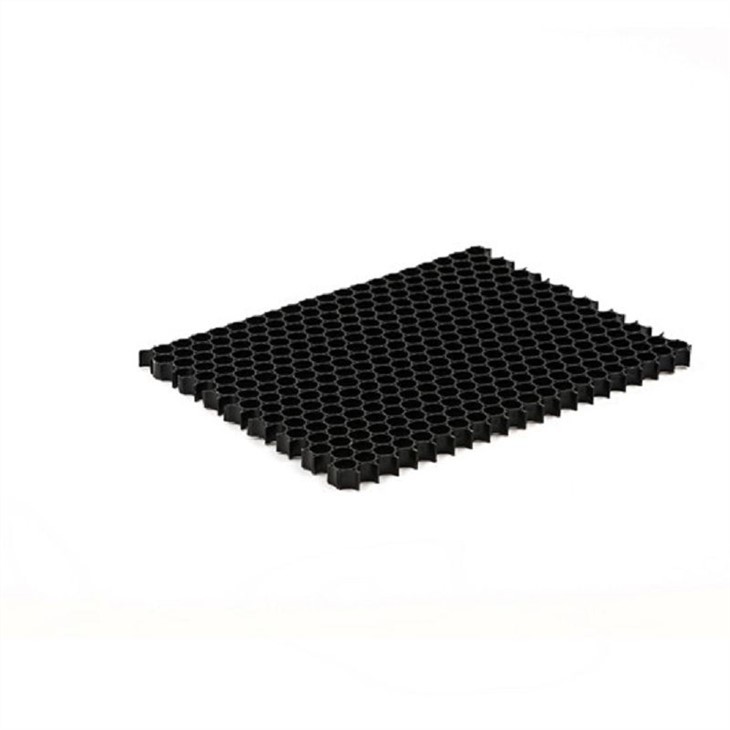
Before delving into electrical conductivity, let's briefly understand what honeycomb composite boards are. These boards consist of a honeycomb core sandwiched between two face sheets. The honeycomb core, often made from materials like paper, aluminum, or thermoplastic, provides excellent structural support while keeping the weight of the board relatively low. The face sheets, which can be made of materials such as wood, metal, or plastic, protect the core and enhance the board's surface properties.
Honeycomb composite boards are known for their high strength-to-weight ratio, excellent stiffness, and good insulation properties. They are widely used in industries such as aerospace, automotive, construction, and furniture manufacturing.
Electrical Conductivity Basics
Electrical conductivity is a measure of a material's ability to conduct an electric current. It is the reciprocal of electrical resistivity and is typically measured in siemens per meter (S/m). Materials with high electrical conductivity, such as metals, allow electric current to flow easily, while materials with low electrical conductivity, such as insulators, impede the flow of current.
The electrical conductivity of a material depends on several factors, including the type of material, its structure, and the presence of impurities or additives. In the case of honeycomb composite boards, the electrical conductivity is influenced by the properties of the core material, the face sheets, and the bonding between them.
Electrical Conductivity of Honeycomb Core Materials
The honeycomb core is a crucial component of honeycomb composite boards, and its electrical conductivity plays a significant role in determining the overall conductivity of the board. Different core materials have different electrical properties, as described below:
- Paper Honeycomb Core: Paper is a poor conductor of electricity, with an electrical conductivity in the range of 10^-10 to 10^-14 S/m. Therefore, honeycomb composite boards with a paper core are generally considered insulators and have very low electrical conductivity.
- Aluminum Honeycomb Core: Aluminum is a good conductor of electricity, with an electrical conductivity of approximately 3.5 x 10^7 S/m. Honeycomb composite boards with an aluminum core can have relatively high electrical conductivity, making them suitable for applications where electrical grounding or shielding is required.
- Thermoplastic Honeycomb Core: Thermoplastics, such as polypropylene (PP), are typically poor conductors of electricity. However, the electrical conductivity of thermoplastic honeycomb cores can be enhanced by adding conductive fillers or additives, such as carbon black or metal particles. The resulting composite core can have a wide range of electrical conductivities, depending on the type and amount of filler used.
Electrical Conductivity of Face Sheet Materials
The face sheets of honeycomb composite boards also contribute to the overall electrical conductivity of the board. Similar to the core material, the electrical conductivity of the face sheets depends on the type of material used. Some common face sheet materials and their electrical properties are as follows:
- Wood Face Sheets: Wood is a poor conductor of electricity, with an electrical conductivity in the range of 10^-10 to 10^-14 S/m. Honeycomb composite boards with wood face sheets are generally considered insulators and have low electrical conductivity.
- Metal Face Sheets: Metals, such as aluminum and steel, are good conductors of electricity. Honeycomb composite boards with metal face sheets can have high electrical conductivity, especially if the metal sheets are in direct contact with the conductive core.
- Plastic Face Sheets: The electrical conductivity of plastic face sheets depends on the type of plastic and the presence of conductive additives. Some plastics, such as polycarbonate and acrylic, are insulators, while others, such as conductive polymers, can have relatively high electrical conductivity.
Influence of Bonding on Electrical Conductivity
The bonding between the honeycomb core and the face sheets is another important factor that affects the electrical conductivity of honeycomb composite boards. If the bonding material is a good conductor of electricity, it can facilitate the flow of current between the core and the face sheets, increasing the overall conductivity of the board. Conversely, if the bonding material is an insulator, it can impede the flow of current and reduce the conductivity.
In some cases, conductive adhesives or bonding agents can be used to enhance the electrical conductivity of honeycomb composite boards. These adhesives contain conductive particles, such as silver or copper, which allow the transfer of electrical charge between the core and the face sheets.
Applications of Honeycomb Composite Boards Based on Electrical Conductivity
The electrical conductivity of honeycomb composite boards makes them suitable for a variety of applications in different industries. Some examples include:
- Electromagnetic Shielding: Honeycomb composite boards with high electrical conductivity, such as those with an aluminum core and metal face sheets, can be used for electromagnetic shielding in electronic devices and equipment. These boards can block electromagnetic interference (EMI) and radio frequency interference (RFI), protecting sensitive components from external electromagnetic fields.
- Electrical Grounding: In applications where electrical grounding is required, honeycomb composite boards with conductive cores and face sheets can be used to provide a low-resistance path for electrical current. This helps to prevent electrostatic discharge (ESD) and ensures the safety of personnel and equipment.
- Insulation: Honeycomb composite boards with low electrical conductivity, such as those with a paper core and non-conductive face sheets, are ideal for applications where electrical insulation is needed. These boards can be used in electrical enclosures, transformers, and other equipment to prevent the flow of current and protect against electrical hazards.
- Structural Applications: In addition to their electrical properties, honeycomb composite boards are also valued for their high strength-to-weight ratio and excellent stiffness. They are widely used in structural applications, such as aircraft wings, automotive body panels, and building Honeycomb-building-panels, where their electrical conductivity may not be a primary concern.
Conclusion
In conclusion, the electrical conductivity of honeycomb composite boards depends on several factors, including the type of core material, the face sheets, and the bonding between them. By choosing the appropriate materials and design, it is possible to tailor the electrical conductivity of honeycomb composite boards to meet the specific requirements of different applications.
As a supplier of honeycomb composite boards, I have extensive experience in providing customized solutions for a wide range of industries. Whether you need boards with high electrical conductivity for electromagnetic shielding or low conductivity for insulation, I can help you select the right materials and design to achieve your desired performance.
If you are interested in learning more about honeycomb composite boards or would like to discuss your specific requirements, please feel free to contact me. I look forward to the opportunity to work with you and provide you with high-quality honeycomb composite boards that meet your needs.
References
- Callister, W. D., & Rethwisch, D. G. (2011). Materials Science and Engineering: An Introduction. Wiley.
- Ashby, M. F., & Jones, D. R. H. (2012). Engineering Materials 1: An Introduction to Properties, Applications, and Design. Butterworth-Heinemann.
- Gibson, L. J., & Ashby, M. F. (1997). Cellular Solids: Structure and Properties. Cambridge University Press.