

As a supplier of PP Honeycomb Panels, I often encounter questions from customers about the various properties of our products. One of the most frequently asked questions is about the creep resistance of PP Honeycomb Panels. In this blog post, I will delve into what creep resistance is, why it matters for PP Honeycomb Panels, and how our products perform in this aspect.
Understanding Creep Resistance
Creep is a phenomenon where a material gradually deforms over time under a constant load. This deformation occurs even when the stress applied is below the material's yield strength. Creep is a time - dependent process, and it can be influenced by factors such as temperature, stress level, and the material's composition.
Creep resistance, on the other hand, is the ability of a material to resist this time - dependent deformation. A material with high creep resistance will maintain its shape and dimensions better over time when subjected to a constant load. This property is crucial in applications where the material needs to retain its structural integrity for an extended period under continuous stress.
Why Creep Resistance Matters for PP Honeycomb Panels
PP Honeycomb Panels are widely used in various industries due to their lightweight, high strength - to - weight ratio, and excellent chemical resistance. They are commonly used in applications such as transportation, construction, and packaging.
In transportation, for example, PP Honeycomb Panels can be used in interior components of vehicles. These components are often subjected to continuous vibrations and loads during the vehicle's operation. If the panels do not have good creep resistance, they may deform over time, leading to a decrease in their performance and potentially affecting the overall safety and comfort of the vehicle.
In construction, PP Honeycomb Panels can be used as building panels. Honeycomb - building - panels are often used in partitions, ceilings, and wall claddings. These panels need to maintain their shape and dimensions over the long term to ensure the stability and aesthetics of the building. Poor creep resistance can result in sagging or warping of the panels, which can be both visually unappealing and structurally problematic.
Factors Affecting the Creep Resistance of PP Honeycomb Panels
Material Composition
The base material of PP Honeycomb Panels is polypropylene (PP). The type and quality of the polypropylene used can significantly affect the creep resistance. High - quality polypropylene with a proper molecular structure and crystallinity will generally have better creep resistance. Additionally, the addition of fillers and reinforcements can also enhance the creep resistance of the panels. For example, the incorporation of glass fibers can improve the stiffness and strength of the panels, reducing their tendency to creep.
Temperature
Temperature has a profound impact on the creep behavior of PP Honeycomb Panels. As the temperature increases, the mobility of the polymer chains in the polypropylene material also increases. This leads to a higher rate of creep. At elevated temperatures, the panels are more likely to deform under a given load. Therefore, in applications where the panels are exposed to high temperatures, it is essential to choose panels with good high - temperature creep resistance.
Stress Level
The magnitude of the applied stress also affects the creep rate. Higher stress levels will result in a faster rate of creep. When designing with PP Honeycomb Panels, it is important to ensure that the applied stress is within the allowable range to minimize creep deformation.
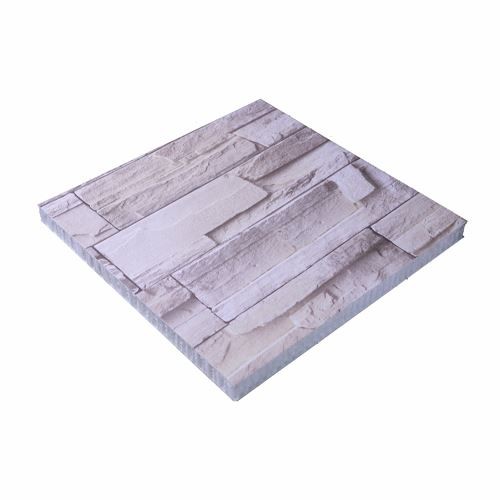
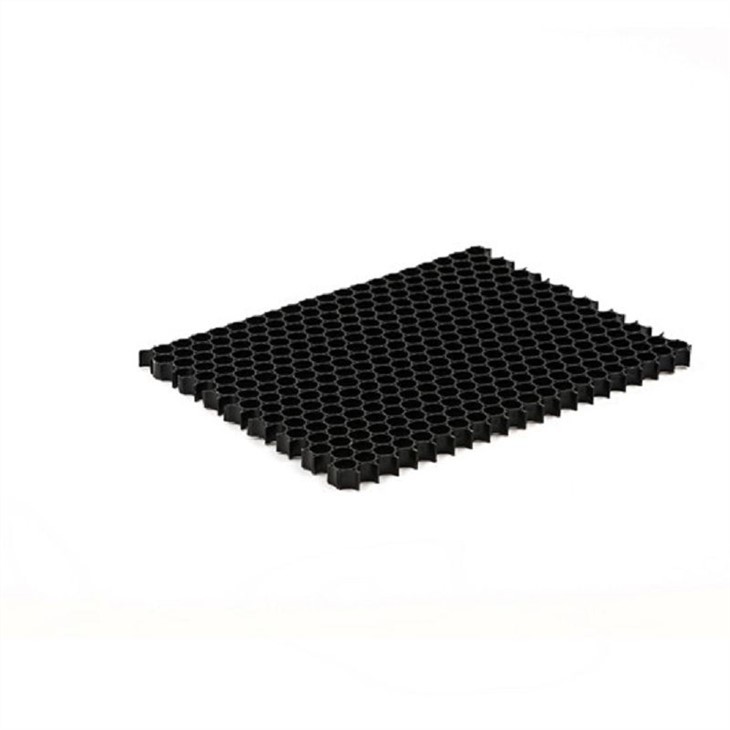
How Our PP Honeycomb Panels Perform in Terms of Creep Resistance
Our company takes great pride in the quality of our PP Honeycomb Panels, especially in their creep resistance. We use high - grade polypropylene resin in the manufacturing process. This resin has a well - controlled molecular structure and high crystallinity, which provides a solid foundation for good creep resistance.
In addition, we have developed a unique manufacturing process that allows us to optimize the internal structure of the honeycomb core. The Thermoplastic Honeycomb Core of our panels is designed to distribute the load evenly, reducing the stress concentration in any particular area. This helps to minimize the creep deformation of the panels.
We also conduct extensive testing on our panels to ensure their creep resistance meets or exceeds industry standards. Our testing facilities are equipped with state - of - the - art equipment that can simulate different load and temperature conditions. Through these tests, we can accurately measure the creep behavior of our panels and make necessary adjustments to the manufacturing process to improve their performance.
Real - World Applications and Creep Resistance
Let's take a look at some real - world applications to understand the importance of creep resistance in more detail.
Furniture Manufacturing
PP Honeycomb Panels are increasingly being used in furniture manufacturing. For example, they can be used as the core material for tabletops or cabinet doors. In a furniture piece, these panels are often subjected to continuous static loads, such as the weight of objects placed on the tabletop. Over time, if the panels have poor creep resistance, they may start to sag, affecting the functionality and appearance of the furniture. Our PP Honeycomb Panels, with their excellent creep resistance, ensure that the furniture maintains its shape and stability for a long time.
Marine Applications
In the marine industry, PP Honeycomb Panels can be used in boat interiors, decks, and bulkheads. These panels are exposed to a harsh environment, including high humidity, saltwater, and varying temperatures. The continuous movement of the boat also subjects the panels to dynamic loads. Good creep resistance is essential to prevent the panels from deforming under these conditions. Our panels are designed to withstand these challenges, providing long - lasting performance in marine applications.
Conclusion
Creep resistance is a critical property for PP Honeycomb Panels, especially in applications where the panels are subjected to continuous loads over an extended period. As a supplier, we understand the importance of this property and have taken various measures to ensure that our panels have excellent creep resistance.
If you are interested in purchasing PP Honeycomb Panels for your project, we invite you to contact us for more information and to discuss your specific requirements. Our team of experts is ready to assist you in selecting the right panels for your application.
References
- "Plastics Engineering Handbook of the Society of Plastics Engineers", Edited by Charles A. Harper.
- "Polymer Science and Technology", By James E. Mark, Burak Erman.
- Industry reports on the performance of thermoplastic honeycomb panels.