

As a supplier of Non Slip Honeycomb Panels, one of the most frequently asked questions I encounter is whether these panels are resistant to chemicals. This question is crucial, especially for industries where chemical exposure is a common occurrence. In this blog post, I will delve into the topic of chemical resistance of non slip honeycomb panels, exploring the factors that influence it and providing insights based on scientific knowledge and practical experience.
Understanding Non Slip Honeycomb Panels
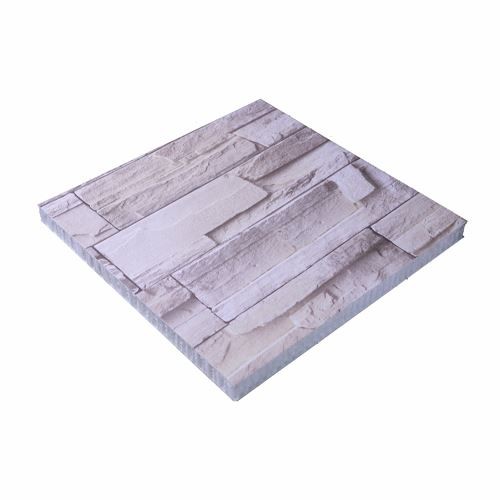
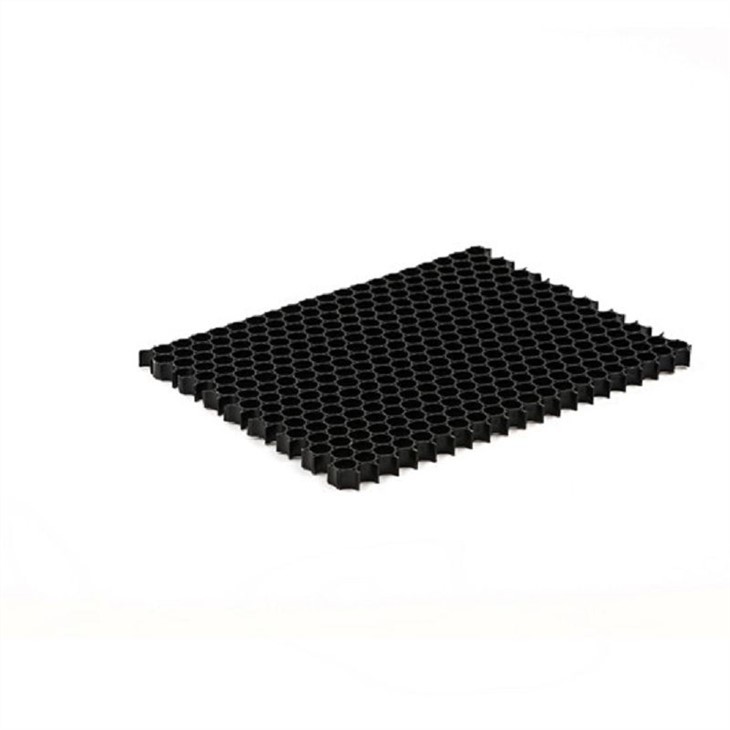
Non slip honeycomb panels are composite materials that consist of a honeycomb core sandwiched between two face sheets. The honeycomb core, often made from materials like Thermoplastic Honeycomb Core, provides structural strength and lightweight properties, while the face sheets can be made from various materials, including polymers, metals, or fiberglass, depending on the application requirements. The non slip surface is typically achieved through surface treatments or the use of specific materials with high friction coefficients.
Factors Affecting Chemical Resistance
The chemical resistance of non slip honeycomb panels depends on several factors, including the materials used in the core and face sheets, the type and concentration of the chemicals, and the duration of exposure.
Material Composition
The choice of materials for the core and face sheets plays a significant role in determining the chemical resistance of the panels. For example, thermoplastic honeycomb cores made from polypropylene (PP) are known for their excellent chemical resistance to a wide range of acids, alkalis, and organic solvents. PP is a semi - crystalline polymer that has a relatively non - polar structure, which makes it less susceptible to chemical attack by many common chemicals.
On the other hand, if the face sheets are made from materials like metals, their chemical resistance will be different. For instance, aluminum face sheets are resistant to some mild chemicals but can be corroded by strong acids and alkalis. Fiberglass face sheets, which are often used for their high strength and durability, can also have varying degrees of chemical resistance depending on the resin matrix used.
Chemical Type and Concentration
Different chemicals have different reactivity with the materials of the non slip honeycomb panels. Strong acids and alkalis, such as sulfuric acid and sodium hydroxide, can be highly corrosive and may cause damage to the panels over time. Organic solvents, like acetone and toluene, can dissolve or swell certain polymers, affecting the integrity of the panel.
The concentration of the chemicals also matters. Higher concentrations of chemicals are generally more likely to cause damage than lower concentrations. For example, a dilute solution of hydrochloric acid may have little effect on a polypropylene honeycomb panel, while a concentrated solution could lead to degradation of the material.
Duration of Exposure
The longer the non slip honeycomb panels are exposed to chemicals, the greater the chance of damage. Short - term exposure to a chemical may not cause significant harm, but continuous or repeated exposure can lead to cumulative damage, such as surface erosion, loss of mechanical properties, or delamination of the face sheets from the core.
Testing Chemical Resistance
To determine the chemical resistance of non slip honeycomb panels, various testing methods can be employed. One common method is the immersion test, where samples of the panels are immersed in a specific chemical solution for a certain period of time. After the immersion, the samples are examined for changes in appearance, weight, dimensions, and mechanical properties.
Another method is the spray test, where the chemical is sprayed onto the surface of the panel, simulating real - world exposure scenarios. This test can be used to evaluate the resistance of the non - slip surface to chemical splashes.
Applications and Chemical Resistance Requirements
Non slip honeycomb panels are used in a wide range of applications, each with its own chemical resistance requirements.
Industrial Flooring
In industrial settings, such as chemical plants, food processing facilities, and laboratories, non slip honeycomb panels are often used as flooring materials. In chemical plants, the panels need to be resistant to a variety of chemicals, including acids, alkalis, and solvents. For example, in a plant that produces fertilizers, the panels may be exposed to ammonium nitrate solutions, which require high chemical resistance.
In food processing facilities, the panels need to be resistant to cleaning agents, such as disinfectants and detergents, as well as food acids and fats. Fiberglass - faced honeycomb panels with a chemical - resistant resin matrix are often a good choice for these applications.
Marine Applications
In the marine industry, non slip honeycomb panels are used on boats and ships for decking and other structural components. These panels are exposed to saltwater, which can be corrosive to many materials. Additionally, they may come into contact with fuel, lubricants, and cleaning chemicals. Polypropylene honeycomb cores with appropriate face sheets can provide good resistance to saltwater and many of the chemicals used in the marine environment.
Building Construction
Honeycomb - building - panels are used in building construction for partitions, wall cladding, and roofing. In some cases, these panels may be exposed to environmental chemicals, such as acid rain or pollutants. The chemical resistance requirements for building applications are generally less stringent than those in industrial or marine applications, but still need to be considered to ensure long - term durability.
Improving Chemical Resistance
If the standard non slip honeycomb panels do not meet the specific chemical resistance requirements of an application, there are several ways to improve their performance.
Coating
Applying a chemical - resistant coating to the surface of the panels can provide an additional layer of protection. For example, a polyurethane coating can be applied to a polypropylene honeycomb panel to enhance its resistance to solvents and abrasion.
Material Selection
Choosing the right materials for the core and face sheets is crucial. For applications with high chemical exposure, materials with superior chemical resistance, such as high - performance polymers or corrosion - resistant metals, should be selected.
Design Modifications
Modifying the design of the non slip honeycomb panels can also improve their chemical resistance. For example, adding a barrier layer between the core and the face sheets can prevent chemicals from penetrating into the core, reducing the risk of damage.
Conclusion
In conclusion, non slip honeycomb panels can have varying degrees of chemical resistance depending on the materials used, the type and concentration of chemicals, and the duration of exposure. As a supplier, it is important to understand the specific chemical resistance requirements of each application and provide the appropriate panels. Through proper material selection, testing, and design modifications, non slip honeycomb panels can be made to withstand a wide range of chemical environments.
If you are in need of non slip honeycomb panels for an application that requires chemical resistance, I encourage you to contact us for a detailed discussion. We can help you select the right panels based on your specific requirements and provide you with the best solutions for your project.
References
- Callister, W. D., & Rethwisch, D. G. (2011). Materials Science and Engineering: An Introduction. Wiley.
- Ashby, M. F., & Jones, D. R. H. (2005). Engineering Materials 1: An Introduction to Properties, Applications, and Design. Butterworth - Heinemann.
- ASTM International. (2019). ASTM Standards on Plastics: Volume 08.01. ASTM International.