

Hey there, fellow automotive enthusiasts! I'm a supplier of Non Woven Honeycomb Panels, and today I'm stoked to chat about all the awesome automotive parts that can be made with these panels. Non Woven Honeycomb Panels are pretty amazing, and they've got some unique properties that make them a great fit for the automotive industry.
First off, let's talk about what Non Woven Honeycomb Panels are. These panels are made up of a honeycomb - like structure, which gives them a high strength - to - weight ratio. They're lightweight, yet they can withstand a good amount of stress. And the non - woven aspect means they have a bit of flexibility and a different texture compared to traditional honeycomb materials.
Interior Parts
One of the most common applications of Non Woven Honeycomb Panels in the automotive world is for interior parts. Take the door panels, for example. Door panels need to be lightweight so that they don't add unnecessary weight to the vehicle, which can affect fuel efficiency. At the same time, they need to be sturdy enough to withstand daily use, like people leaning on them or opening and closing the doors. Non Woven Honeycomb Panels fit the bill perfectly. They can be easily shaped to match the design of the door, and their lightweight nature helps keep the overall weight of the car down.
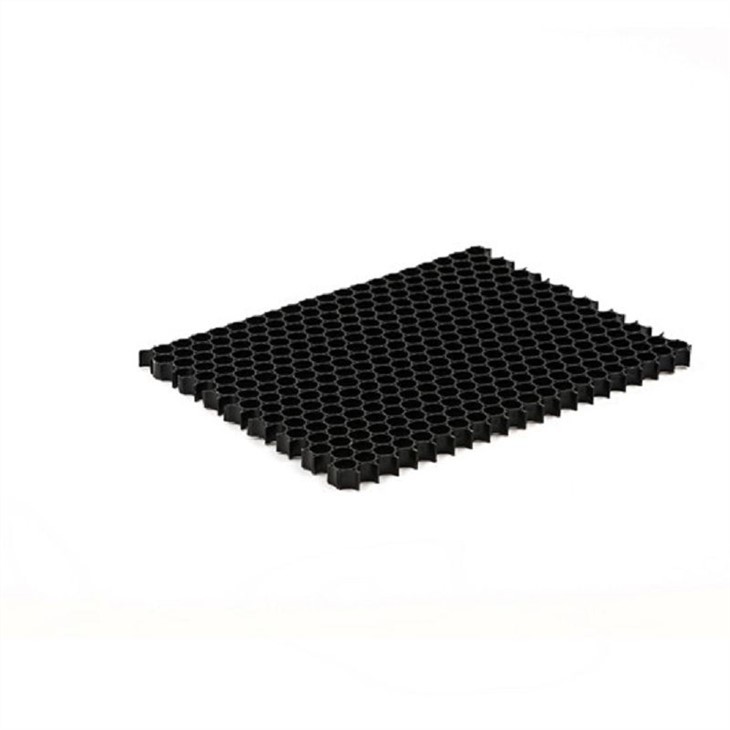
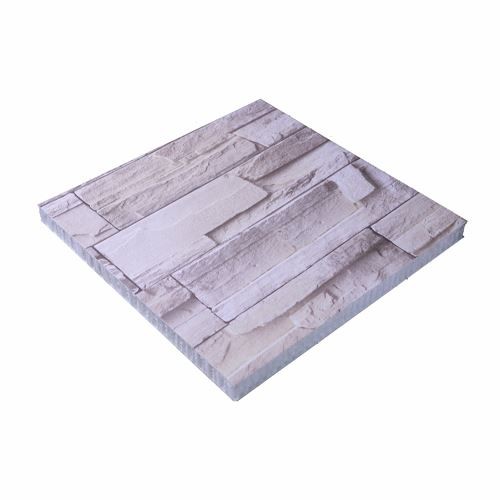
Another interior part that can benefit from these panels is the dashboard. Dashboards are complex structures that house various components like the instrument cluster, air vents, and audio systems. Non Woven Honeycomb Panels can be used as a base structure for the dashboard. They provide a stable platform for mounting these components while also reducing the weight. Plus, they can be covered with different materials like leather or plastic to give the dashboard a nice, finished look. You can check out more about similar honeycomb products on Honeycomb - building - panels.
Seat backs are also a great candidate for Non Woven Honeycomb Panels. Seats need to be comfortable and supportive, and the seat back plays a crucial role in that. Using these panels in seat backs can make them lighter, which is great for the overall weight of the vehicle. And because the panels can be customized in terms of thickness and density, they can be tailored to provide the right amount of support for different types of seats, whether it's a sports car seat or a family sedan seat.
Exterior Parts
Moving on to the exterior of the vehicle, Non Woven Honeycomb Panels can be used in some interesting ways. For instance, they can be used in the construction of spoilers. Spoilers are designed to improve the aerodynamics of the car, and their weight can have a significant impact on how well they work. Non Woven Honeycomb Panels are lightweight, so they won't add too much extra weight to the spoiler. At the same time, they can be made strong enough to withstand the forces generated at high speeds.
The trunk lid is another exterior part where these panels can be used. Trunk lids need to be strong enough to protect the contents of the trunk and withstand the elements. But they also need to be easy to open and close. Non Woven Honeycomb Panels can provide the necessary strength while keeping the weight of the trunk lid down, making it more user - friendly.
Some car manufacturers are even exploring the use of Non Woven Honeycomb Panels in body panels. These panels can be used as a core material, with a thin layer of metal or composite on the outside. This combination can create a body panel that is both lightweight and strong, which is a huge advantage in the automotive industry. You can find more information about thermoplastic honeycomb cores, which are related to our Non Woven Honeycomb Panels, on Thermoplastic Honeycomb Core.
Under - the - Hood Parts
Under the hood, there are also opportunities to use Non Woven Honeycomb Panels. One such part is the engine cover. Engine covers need to be heat - resistant to some extent, as they are in close proximity to the engine. Non Woven Honeycomb Panels can be treated with heat - resistant coatings to make them suitable for this application. They can also help reduce engine noise by acting as a sound insulator.
Another under - the - hood part is the air intake manifold. The air intake manifold is responsible for delivering air to the engine. Using Non Woven Honeycomb Panels in the construction of the air intake manifold can help reduce its weight, which can improve the overall performance of the engine. The panels can be designed to have a smooth interior surface, which can also help with the airflow.
Advantages of Using Non Woven Honeycomb Panels in Automotive Parts
There are several advantages to using Non Woven Honeycomb Panels in automotive parts. As I've mentioned before, the high strength - to - weight ratio is a big plus. This means that you can get a part that is strong enough to do its job without adding a lot of extra weight to the vehicle. And as we all know, a lighter vehicle is more fuel - efficient and has better performance.
These panels are also quite cost - effective. They are relatively inexpensive to produce compared to some other materials, and their ease of manufacturing means that production costs can be kept down. This can translate into savings for the car manufacturers, which can then be passed on to the consumers.
Non Woven Honeycomb Panels are also very customizable. They can be made in different sizes, shapes, and densities to suit the specific requirements of each automotive part. Whether you need a thin, flexible panel for a seat back or a thick, sturdy panel for a trunk lid, we can make it happen.
Challenges and Considerations
Of course, there are also some challenges and considerations when using Non Woven Honeycomb Panels in automotive parts. One of the main challenges is ensuring that the panels can meet the strict safety standards of the automotive industry. For example, in the case of body panels, they need to be able to withstand impacts in a crash. This means that the panels need to be tested thoroughly to make sure they can perform as expected.
Another consideration is the environmental impact. While Non Woven Honeycomb Panels are relatively lightweight, which is good for fuel efficiency, we also need to think about their recyclability. As a supplier, we're constantly working on improving the recyclability of our panels to make them more environmentally friendly.
Conclusion
In conclusion, Non Woven Honeycomb Panels have a lot of potential in the automotive industry. From interior parts like door panels and dashboards to exterior parts like spoilers and trunk lids, and even under - the - hood parts like engine covers and air intake manifolds, these panels can be used in a wide variety of applications. They offer a great combination of strength, light weight, cost - effectiveness, and customizability.
If you're in the automotive industry and are interested in using Non Woven Honeycomb Panels for your parts, I'd love to have a chat with you. We can discuss your specific requirements and see how our panels can fit into your production process. Don't hesitate to reach out and start a conversation about potential procurement and collaboration.
References
- General knowledge about automotive materials and manufacturing processes.
- Industry reports on the use of honeycomb materials in automotive applications.