

Yo, what's up everyone! I'm a supplier of PET honeycomb panels, and today I wanna chat about something super important in our industry: the fatigue resistance of a PET honeycomb panel.
First off, let's break down what fatigue resistance means. In simple terms, it's how well a material can handle repeated stress or loads over time without breaking down. You know, like when you bend a paperclip back and forth. At first, it can take it, but after a while, it'll snap. That's fatigue failure. For a PET honeycomb panel, fatigue resistance is crucial because these panels are often used in applications where they'll face continuous vibrations, impacts, or cyclic loads.
So, why is fatigue resistance such a big deal for PET honeycomb panels? Well, think about the places where these panels are commonly used. They're often found in the aerospace industry, in things like aircraft interiors. Planes are constantly in motion, dealing with all sorts of forces during flight. The PET honeycomb panels need to be able to withstand these forces for years without failing. If they don't have good fatigue resistance, it could lead to structural problems and compromise the safety of the aircraft.
Another area where PET honeycomb panels are used is in the automotive industry. Cars go through a lot of wear and tear on the road. The panels might be used in the interior, like in door panels or seats, or even in some structural parts. They need to be able to handle the constant vibrations from the engine and the bumps on the road. If the panels can't resist fatigue, they'll start to develop cracks or break apart, which can affect the overall performance and comfort of the vehicle.
Now, let's talk about what gives PET honeycomb panels their fatigue resistance. One of the key factors is the material itself. PET, or polyethylene terephthalate, is a strong and durable thermoplastic. It has a high strength - to - weight ratio, which means it can handle a lot of stress without being too heavy. This is great for applications where weight is a concern, like in aerospace and automotive.
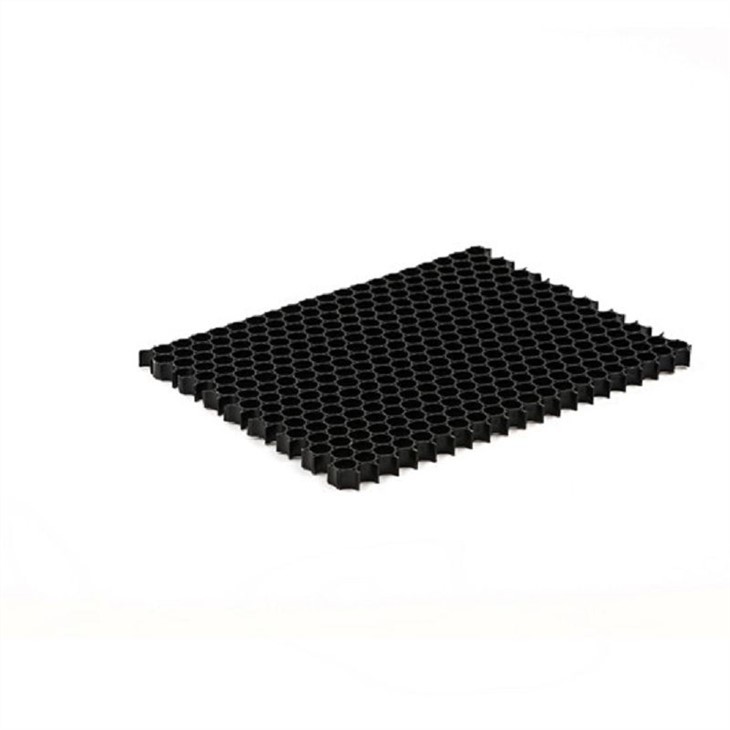
The honeycomb structure also plays a huge role. The hexagonal cells in the honeycomb design distribute the stress evenly across the panel. When a load is applied, the cells work together to absorb and transfer the energy. This helps prevent the stress from concentrating in one area, which could lead to fatigue failure. It's like a team of little workers sharing the workload.
But it's not just about the material and the structure. The manufacturing process also affects the fatigue resistance. At our company, we use advanced manufacturing techniques to ensure that the PET honeycomb panels are of the highest quality. We carefully control the temperature, pressure, and other parameters during production. This helps to create a uniform structure and eliminate any weak spots in the panel.
To test the fatigue resistance of our PET honeycomb panels, we use a variety of methods. One common test is the cyclic loading test. In this test, we apply a repeated load to the panel and measure how it responds over time. We look for things like changes in stiffness, the appearance of cracks, and the overall degradation of the panel. Another test we use is the vibration test. We subject the panel to different levels of vibration and see how it holds up. These tests allow us to make sure that our panels meet the strict standards required by our customers.
If you're in the market for high - quality PET honeycomb panels with excellent fatigue resistance, you're in the right place. Our panels are not only strong and durable but also cost - effective. We've got a wide range of products to suit different applications, whether you're in aerospace, automotive, or other industries.
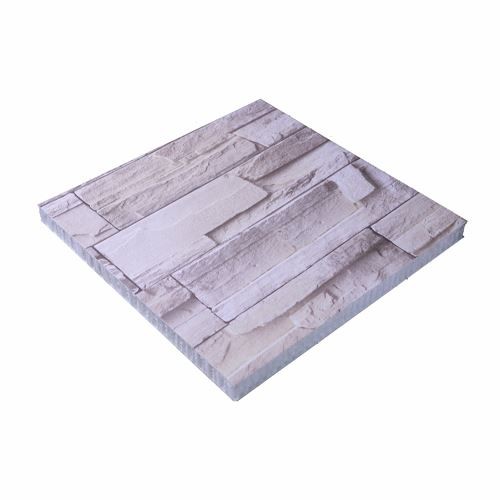
You can check out some of our related products on our website. For more information on honeycomb building panels, click on Honeycomb - building - panels. And if you're interested in thermoplastic honeycomb core, take a look at Thermoplastic Honeycomb Core.
We're always happy to have a chat with potential customers. If you have any questions about our PET honeycomb panels, their fatigue resistance, or anything else, don't hesitate to reach out. We can have a detailed discussion about your specific needs and how our products can meet them. Whether you're a small business or a large corporation, we're here to provide you with the best solutions.
In conclusion, the fatigue resistance of a PET honeycomb panel is a critical property that makes it suitable for a wide range of applications. With our advanced manufacturing techniques and strict quality control, we're confident that our panels can meet and exceed your expectations. So, if you're looking for reliable PET honeycomb panels, give us a shout. Let's start a conversation and see how we can work together to achieve your goals.
References
- "Handbook of Plastics, Elastomers, and Composites" by Charles A. Harper
- "Materials Science and Engineering: An Introduction" by William D. Callister Jr. and David G. Rethwisch