

What is the stiffness of PP Honeycomb Core?
As a supplier of PP honeycomb core, I often encounter inquiries from clients about the stiffness of this remarkable material. Understanding the stiffness of PP honeycomb core is crucial for various applications, from aerospace to construction. In this blog post, I will delve into the concept of stiffness, how it applies to PP honeycomb core, and its significance in different industries.
Understanding Stiffness
Stiffness, in the realm of materials science, refers to the resistance of a material to deformation under an applied load. It is a fundamental property that determines how a material will behave when subjected to external forces. A stiffer material will deform less than a less stiff one when the same amount of force is applied. Stiffness is typically measured in terms of Young's modulus, which is the ratio of stress (force per unit area) to strain (deformation per unit length) within the elastic range of the material.
For PP honeycomb core, stiffness is a critical characteristic because it directly impacts the performance of the final product. Whether it is used as a core material in sandwich panels or as a structural component in various applications, the ability of the PP honeycomb core to maintain its shape and resist deformation is essential.
Factors Affecting the Stiffness of PP Honeycomb Core
Several factors influence the stiffness of PP honeycomb core. These include the cell size, wall thickness, and the type of polypropylene used in its manufacture.
Cell Size: The cell size of the honeycomb structure plays a significant role in determining its stiffness. Generally, smaller cell sizes result in a stiffer honeycomb core. This is because smaller cells provide more support and distribute the load more evenly across the structure. When the cell size is small, the walls of the cells are closer together, which increases the overall rigidity of the core.
Wall Thickness: The thickness of the cell walls also affects the stiffness of the PP honeycomb core. Thicker walls provide more resistance to deformation, resulting in a stiffer material. However, increasing the wall thickness also increases the weight of the core, which may not be desirable in applications where weight is a critical factor. Therefore, a balance must be struck between wall thickness and weight to achieve the optimal stiffness for a particular application.
Type of Polypropylene: The type of polypropylene used in the manufacture of the honeycomb core can also impact its stiffness. Different grades of polypropylene have different mechanical properties, including stiffness. High - density polypropylene (HDPP) is generally stiffer than low - density polypropylene (LDPP). By selecting the appropriate grade of polypropylene, manufacturers can tailor the stiffness of the PP honeycomb core to meet the specific requirements of the application.
Measuring the Stiffness of PP Honeycomb Core
There are several methods for measuring the stiffness of PP honeycomb core. One common method is the three - point bending test. In this test, a sample of the honeycomb core is placed on two supports, and a load is applied at the center of the sample. The deflection of the sample under the load is measured, and the stiffness is calculated based on the relationship between the load and the deflection.
Another method is the compression test, where the honeycomb core is subjected to a compressive load. The change in thickness of the core under the load is measured, and the stiffness is determined from the stress - strain relationship. These tests provide valuable information about the stiffness of the PP honeycomb core and help ensure that it meets the required specifications for a particular application.
Applications of PP Honeycomb Core Based on Stiffness
The stiffness of PP honeycomb core makes it suitable for a wide range of applications.
Aerospace Industry: In the aerospace industry, weight and stiffness are critical factors. PP honeycomb core is used in the construction of aircraft interiors, such as cabin partitions and overhead bins. Its high stiffness - to - weight ratio allows for the creation of lightweight yet strong structures that can withstand the rigors of flight. The stiffness of the honeycomb core ensures that these components maintain their shape and integrity during flight, providing a safe and comfortable environment for passengers.
Automotive Industry: In the automotive industry, PP honeycomb core is used in the manufacture of interior panels, door panels, and trunk liners. The stiffness of the core helps to reduce noise and vibration, while also providing structural support. By using PP honeycomb core, automotive manufacturers can achieve a balance between weight reduction and structural integrity, improving fuel efficiency and overall vehicle performance.
Construction Industry: The construction industry also benefits from the stiffness of PP honeycomb core. It is used in the production of Honeycomb - building - panels, which are used for walls, floors, and ceilings. These panels offer excellent insulation properties and high stiffness, making them ideal for both residential and commercial buildings. The stiffness of the honeycomb core ensures that the panels can support the weight of the building and resist deformation over time.
Comparing PP Honeycomb Core with Other Core Materials
When considering core materials for various applications, it is important to compare the stiffness of PP honeycomb core with other materials. Some common core materials include aluminum honeycomb, foam core, and balsa wood.
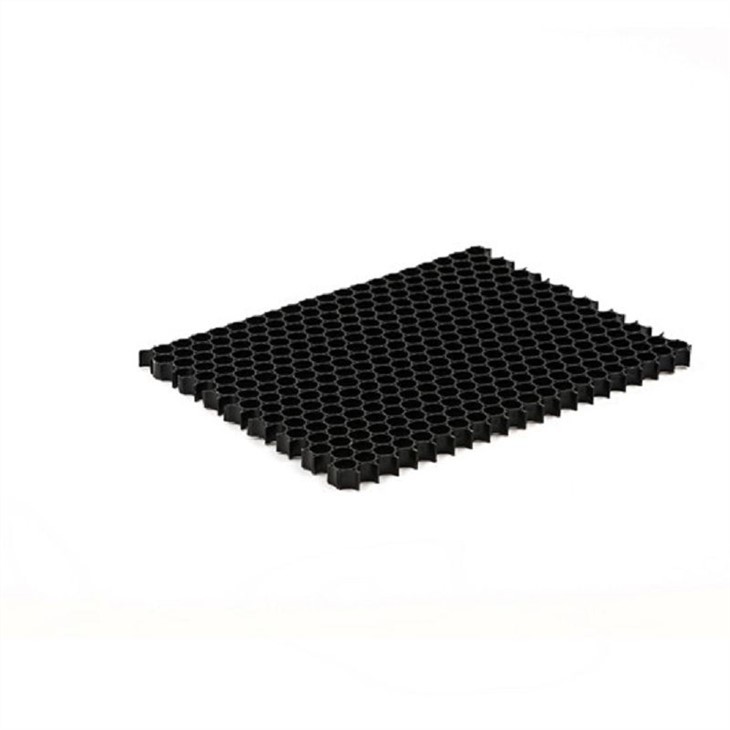
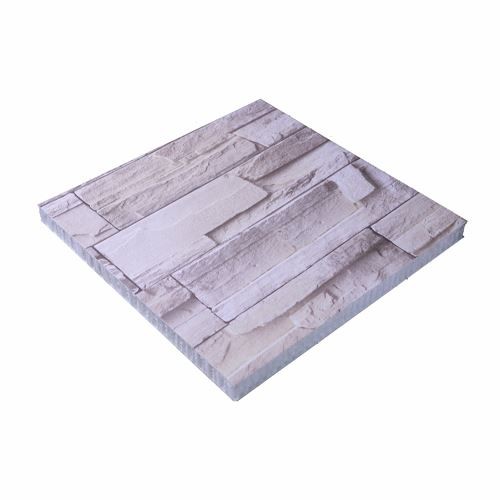
Aluminum Honeycomb: Aluminum honeycomb is known for its high stiffness and strength. However, it is also relatively heavy and expensive. PP honeycomb core, on the other hand, offers a comparable level of stiffness at a lower cost and with a significantly lower weight. This makes it a more attractive option for applications where weight and cost are important considerations.
Foam Core: Foam core is a lightweight and cost - effective option, but it generally has lower stiffness compared to PP honeycomb core. Foam cores are more prone to deformation under load, which may limit their use in applications where high stiffness is required.
Balsa Wood: Balsa wood is a natural core material that has been used for many years. It has good stiffness and strength, but it is also susceptible to moisture damage and insect infestation. PP honeycomb core, being a synthetic material, is more resistant to environmental factors and offers better long - term performance.
The Role of Stiffness in Product Design
When designing products using PP honeycomb core, the stiffness of the core must be carefully considered. Product designers need to understand the specific requirements of the application and select the appropriate honeycomb core with the right stiffness. By optimizing the stiffness of the core, designers can create products that are not only strong and durable but also lightweight and cost - effective.
For example, in the design of a lightweight furniture piece, the designer may choose a PP honeycomb core with a relatively low stiffness to reduce weight while still providing sufficient support. On the other hand, for a structural component in a bridge or a large building, a higher - stiffness honeycomb core may be required to ensure the safety and stability of the structure.
Conclusion
The stiffness of PP honeycomb core is a crucial property that determines its performance in various applications. By understanding the factors that affect stiffness, such as cell size, wall thickness, and the type of polypropylene used, manufacturers can produce honeycomb cores with the desired stiffness characteristics. The high stiffness - to - weight ratio of PP honeycomb core makes it a versatile material that is widely used in industries such as aerospace, automotive, and construction.
If you are in need of high - quality Thermoplastic Honeycomb Core for your next project, I encourage you to reach out to us. Our team of experts can help you select the right PP honeycomb core with the optimal stiffness for your specific application. We are committed to providing the best products and services to meet your needs. Contact us today to start the procurement process and discuss how our PP honeycomb core can enhance the performance of your products.
References
- Callister, W. D., & Rethwisch, D. G. (2011). Materials Science and Engineering: An Introduction. Wiley.
- Ashby, M. F. (2011). Materials Selection in Mechanical Design. Butterworth - Heinemann.
- Gibson, L. J., & Ashby, M. F. (1997). Cellular Solids: Structure and Properties. Cambridge University Press.