

As a supplier of PP honeycomb panels, I am excited to share detailed technical specifications of these remarkable products. PP honeycomb panels, made from polypropylene (PP), are well - known for their versatility, durability, and lightweight properties, making them suitable for a wide range of applications.
1. Material Composition
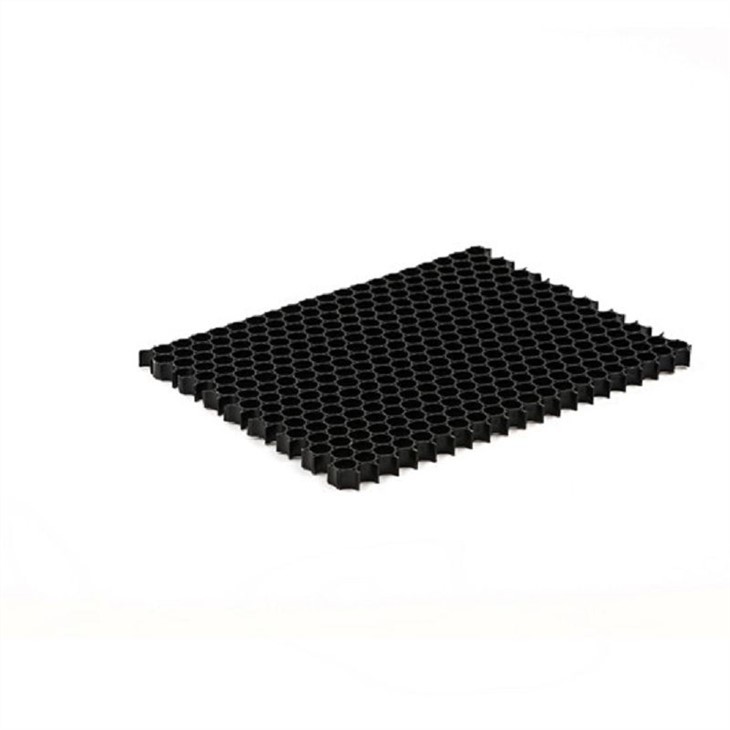
PP honeycomb panels are primarily composed of polypropylene resin. Polypropylene is a thermoplastic polymer that offers excellent chemical resistance, mechanical strength, and low density. The honeycomb structure within the panel is created by a series of hexagonal cells, which are formed through an extrusion or molding process. This structure gives the panel its unique combination of strength and lightness.
The raw polypropylene used in the production of these panels is carefully selected to ensure high - quality end - products. Additives may also be incorporated into the resin to enhance specific properties such as UV resistance, flame retardancy, or antistatic characteristics. For example, UV stabilizers can be added to prevent the panel from degrading when exposed to sunlight over long periods, which is crucial for outdoor applications.
2. Physical Dimensions
Thickness
PP honeycomb panels come in a variety of thicknesses, typically ranging from 2mm to 50mm. Thinner panels, around 2 - 5mm, are often used for applications where weight is a critical factor, such as in the interior decoration of aircraft or in lightweight display boards. Thicker panels, on the other hand, offer greater strength and are suitable for structural applications, like partitions in buildings or load - bearing platforms.
Width and Length
The standard width of PP honeycomb panels usually ranges from 1000mm to 2000mm, while the length can be customized according to customer requirements, often up to 6000mm. This flexibility in dimensions allows for easy adaptation to different project needs. For large - scale construction projects, longer panels can reduce the number of joints, resulting in a more seamless and aesthetically pleasing finish.
3. Density
The density of PP honeycomb panels is relatively low compared to many other construction materials. It generally ranges from 30 kg/m³ to 200 kg/m³, depending on the thickness of the panel and the size of the honeycomb cells. A lower density panel is lighter in weight, which makes it easier to handle and transport. At the same time, it still maintains sufficient strength for many applications. For instance, a panel with a density of around 50 kg/m³ can be used for non - load - bearing partitions in commercial buildings, providing both insulation and a lightweight solution.
4. Mechanical Properties
Tensile Strength
PP honeycomb panels have good tensile strength, which is the maximum stress a material can withstand while being stretched or pulled before breaking. The tensile strength of these panels typically ranges from 5 MPa to 20 MPa, depending on the panel's thickness and the manufacturing process. This property makes them suitable for applications where the panel may be subjected to pulling forces, such as in the construction of conveyor belts or in some types of packaging.
Compressive Strength
Compressive strength is another important mechanical property. PP honeycomb panels can withstand significant compressive forces. The compressive strength usually ranges from 1 MPa to 10 MPa. This allows them to be used in load - bearing applications, such as in the floors of industrial buildings or in the support structures of large displays. For example, a panel with a high compressive strength can support the weight of heavy equipment in a factory environment.
Flexural Strength
Flexural strength refers to the ability of a material to resist bending. PP honeycomb panels have a flexural strength ranging from 3 MPa to 15 MPa. This property is essential for applications where the panel may be bent or curved, such as in the fabrication of curved partitions or in the design of some automotive interior components.
5. Chemical Resistance
One of the significant advantages of PP honeycomb panels is their excellent chemical resistance. They are resistant to a wide range of chemicals, including acids, alkalis, and organic solvents. This makes them suitable for use in chemical processing plants, laboratories, and other environments where exposure to chemicals is likely. For example, they can be used as lining materials in chemical storage tanks or as work surfaces in laboratories, where they can withstand spills and contact with various chemicals without significant damage.
6. Thermal Properties
Thermal Conductivity
The thermal conductivity of PP honeycomb panels is relatively low, typically ranging from 0.04 W/(m·K) to 0.08 W/(m·K). This low thermal conductivity makes them good insulators, which is beneficial for applications where temperature control is important. For example, in building construction, they can be used as insulation materials in walls and roofs to reduce heat transfer, thereby saving energy on heating and cooling.
Heat Resistance
PP honeycomb panels can withstand a certain range of temperatures. They usually have a heat - deflection temperature (HDT) of around 80°C to 120°C, depending on the specific formulation of the polypropylene resin. This means they can maintain their shape and mechanical properties within this temperature range, making them suitable for use in environments where moderate heat is present, such as in some industrial ovens or in the engine compartments of vehicles.
7. Fire Resistance
The fire resistance of PP honeycomb panels can be enhanced through the addition of flame - retardant additives. Without additives, polypropylene is flammable. However, with the incorporation of appropriate flame - retardants, the panels can achieve different fire - safety ratings. For example, some panels can meet the requirements of UL 94 V - 0 rating, which indicates a high level of fire resistance. This makes them suitable for use in applications where fire safety is a concern, such as in public buildings and transportation vehicles.
8. Surface Finish
PP honeycomb panels can be provided with different surface finishes to meet various application requirements. Common surface finishes include smooth, textured, and coated surfaces.
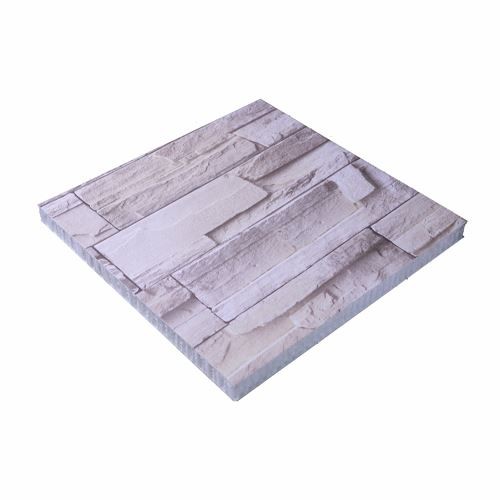
A smooth surface finish is often used for applications where a clean and aesthetically pleasing appearance is desired, such as in interior decoration. Textured surfaces can provide better grip, which is useful in applications like flooring or in the manufacturing of non - slip platforms. Coated surfaces can offer additional protection, such as UV protection or improved chemical resistance. For example, a panel with a UV - resistant coating can be used outdoors without the risk of color fading or surface degradation.
9. Applications
PP honeycomb panels have a wide range of applications across different industries. In the construction industry, they are used for partitions, wall cladding, roofing, and flooring. Their lightweight nature and good insulation properties make them an ideal choice for both residential and commercial buildings.
In the automotive industry, they are used for interior components such as door panels, seat backs, and dashboard parts. The panels' low weight helps to reduce the overall weight of the vehicle, improving fuel efficiency.
In the packaging industry, PP honeycomb panels are used for creating protective packaging for fragile items. Their shock - absorbing properties and lightweight make them a great alternative to traditional packaging materials.
You can learn more about the applications and features of similar products on our websites: Thermoplastic Honeycomb Core and Honeycomb - building - panels.
10. Conclusion and Call to Action
In conclusion, PP honeycomb panels offer a unique combination of properties that make them a versatile and valuable material for a wide range of applications. Their lightweight, strength, chemical resistance, and thermal properties, among others, make them stand out in the market.
If you are interested in our PP honeycomb panels and would like to discuss your specific requirements, whether it's for a small - scale project or a large - scale industrial application, please feel free to contact us. We are committed to providing high - quality products and excellent customer service. Our team of experts can help you select the most suitable panel specifications for your project and offer professional advice. Let's work together to bring your project to life with our top - notch PP honeycomb panels.
References
- "Plastics Engineering Handbook"
- "Handbook of Thermoplastics"
- Industry reports on polypropylene materials and honeycomb panel applications.