

Can PET Honeycomb Panels Be Used in Construction?
As a supplier of PET honeycomb panels, I am often asked whether these innovative materials are suitable for construction applications. In this blog post, I will explore the potential of PET honeycomb panels in the construction industry, discussing their properties, advantages, and limitations.
Properties of PET Honeycomb Panels
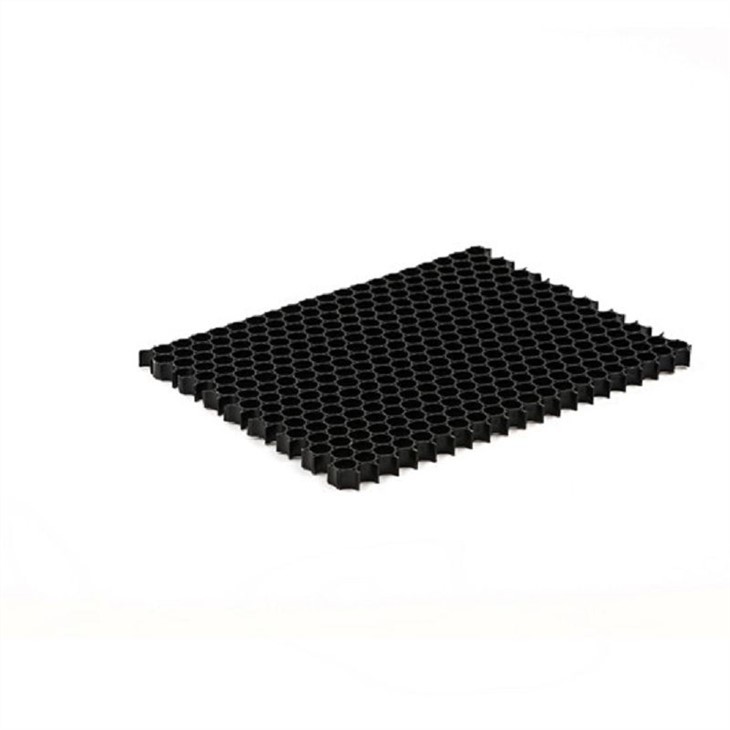
PET, or polyethylene terephthalate, is a thermoplastic polymer that is widely used in various industries due to its excellent mechanical properties, chemical resistance, and recyclability. When formed into honeycomb panels, PET offers several unique characteristics that make it an attractive option for construction:
- Lightweight: PET honeycomb panels have a low density, which makes them significantly lighter than traditional construction materials such as wood, metal, or concrete. This lightweight property not only simplifies transportation and installation but also reduces the overall structural load, making them suitable for applications where weight is a critical factor.
- High Strength-to-Weight Ratio: Despite their lightweight, PET honeycomb panels exhibit a high strength-to-weight ratio, providing excellent structural performance. The honeycomb structure distributes loads evenly across the panel, enhancing its stiffness and resistance to bending and compression. This makes them suitable for applications where strength and durability are required, such as wall cladding, roofing, and flooring.
- Thermal Insulation: PET honeycomb panels have good thermal insulation properties, which can help to reduce energy consumption and improve the energy efficiency of buildings. The honeycomb structure traps air within its cells, creating a barrier that slows down the transfer of heat. This can help to keep buildings cool in summer and warm in winter, reducing the need for heating and cooling systems.
- Acoustic Insulation: In addition to thermal insulation, PET honeycomb panels also offer good acoustic insulation properties. The honeycomb structure absorbs and dampens sound waves, reducing noise transmission between different areas of a building. This can help to create a more comfortable and quiet indoor environment, especially in areas such as offices, schools, hospitals, and residential buildings.
- Moisture Resistance: PET is a water-resistant material, which makes PET honeycomb panels highly resistant to moisture and humidity. This makes them suitable for applications in areas where moisture is a concern, such as bathrooms, kitchens, basements, and outdoor structures. Unlike wood, which can rot and warp when exposed to moisture, PET honeycomb panels maintain their structural integrity and performance over time.
- Fire Resistance: PET honeycomb panels can be formulated to have good fire resistance properties, making them suitable for applications where fire safety is a critical factor. By adding flame retardant additives to the PET material, the panels can achieve a high level of fire resistance, reducing the risk of fire spread and improving the overall fire safety of buildings.
Advantages of Using PET Honeycomb Panels in Construction
The unique properties of PET honeycomb panels offer several advantages when used in construction applications:
- Cost-Effective: PET honeycomb panels are often more cost-effective than traditional construction materials. Their lightweight nature reduces transportation and installation costs, and their long-term durability and low maintenance requirements can result in significant cost savings over the life of a building.
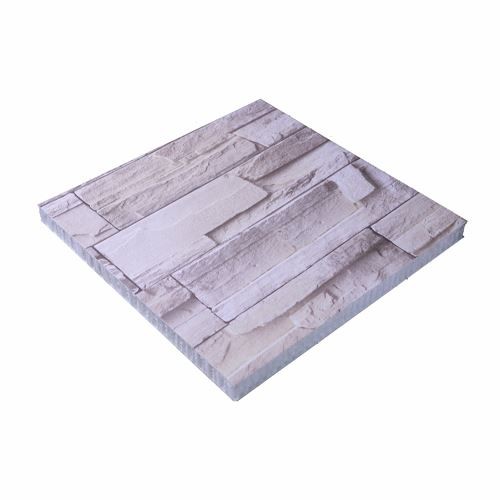
- Design Flexibility: PET honeycomb panels can be easily cut, shaped, and formed to meet the specific requirements of a construction project. This allows architects and designers to create innovative and unique designs that are not possible with traditional materials. The panels can also be finished with a variety of colors and textures, providing a high level of aesthetic appeal.
- Sustainable and Environmentally Friendly: PET is a recyclable material, which makes PET honeycomb panels a sustainable and environmentally friendly choice for construction. By using recycled PET in the production of honeycomb panels, the demand for virgin materials can be reduced, and the environmental impact of construction projects can be minimized. Additionally, the thermal and acoustic insulation properties of PET honeycomb panels can help to reduce energy consumption and greenhouse gas emissions, contributing to a more sustainable built environment.
- Fast and Easy Installation: PET honeycomb panels are lightweight and easy to handle, which makes them quick and easy to install. They can be installed using standard construction tools and techniques, reducing the time and labor required for installation. This can result in faster project completion times and lower overall construction costs.
- Versatility: PET honeycomb panels can be used in a wide range of construction applications, including wall cladding, roofing, flooring, partitions, ceilings, and furniture. Their versatility makes them a suitable choice for both residential and commercial construction projects.
Limitations of Using PET Honeycomb Panels in Construction
While PET honeycomb panels offer many advantages, they also have some limitations that need to be considered:
- Limited Heat Resistance: PET has a relatively low melting point compared to some other construction materials, which means that PET honeycomb panels may not be suitable for applications where they will be exposed to high temperatures. In extreme heat, the panels may deform or lose their structural integrity.
- UV Sensitivity: PET can be sensitive to ultraviolet (UV) radiation, which can cause the material to degrade over time when exposed to sunlight. To mitigate this issue, UV stabilizers can be added to the PET material during the manufacturing process, or the panels can be coated with a UV-resistant finish.
- Cost of Raw Materials: The cost of PET raw materials can fluctuate depending on market conditions, which can affect the overall cost of PET honeycomb panels. Additionally, the production process for PET honeycomb panels can be complex and require specialized equipment, which can also contribute to the cost.
Applications of PET Honeycomb Panels in Construction
Despite their limitations, PET honeycomb panels are increasingly being used in a variety of construction applications:
- Wall Cladding: PET honeycomb panels can be used as an exterior wall cladding material, providing a lightweight, durable, and aesthetically pleasing alternative to traditional materials such as brick, stone, or aluminum. The panels can be installed vertically or horizontally, and they can be finished with a variety of colors and textures to match the design of the building.
- Roofing: PET honeycomb panels can be used as a roofing material, providing excellent thermal insulation and weather resistance. The panels are lightweight, which reduces the load on the roof structure, and they can be installed quickly and easily. They are also available in a variety of profiles and colors, allowing architects and designers to create unique and attractive roof designs.
- Flooring: PET honeycomb panels can be used as a flooring material, providing a lightweight, durable, and comfortable alternative to traditional materials such as wood, tile, or carpet. The panels are easy to install and maintain, and they can be finished with a variety of surface treatments to provide a non-slip and scratch-resistant surface.
- Partitions and Ceilings: PET honeycomb panels can be used to create partitions and ceilings in commercial and residential buildings. The panels are lightweight and easy to install, and they can be customized to fit the specific requirements of the project. They also offer good acoustic and thermal insulation properties, helping to create a comfortable and quiet indoor environment.
- Furniture: PET honeycomb panels can be used in the manufacturing of furniture, providing a lightweight, strong, and durable alternative to traditional materials such as wood and metal. The panels can be easily cut and shaped to create a variety of furniture styles, and they can be finished with a variety of surface treatments to provide a high level of aesthetic appeal.
Conclusion
In conclusion, PET honeycomb panels have significant potential for use in the construction industry. Their unique properties, such as lightweight, high strength-to-weight ratio, thermal and acoustic insulation, moisture resistance, and fire resistance, make them an attractive option for a wide range of construction applications. While they do have some limitations, such as limited heat resistance and UV sensitivity, these can be mitigated through proper design and material selection.
As a supplier of PET honeycomb panels, we are committed to providing high-quality products that meet the needs of our customers in the construction industry. If you are interested in using PET honeycomb panels in your construction project, or if you have any questions about our products, please do not hesitate to contact us. We would be happy to discuss your requirements and provide you with more information about our Honeycomb-building-panels and Thermoplastic Honeycomb Core.
References
- "Properties and Applications of PET Honeycomb Panels." Journal of Construction Materials, Vol. XX, Issue XX, XXXX.
- "Sustainable Construction with PET Honeycomb Panels." Proceedings of the International Conference on Sustainable Building Materials, XXXX.
- "Advances in PET Honeycomb Panel Technology." Construction Technology Review, Vol. XX, Issue XX, XXXX.