

What are the standards and certifications for honeycomb composite boards?
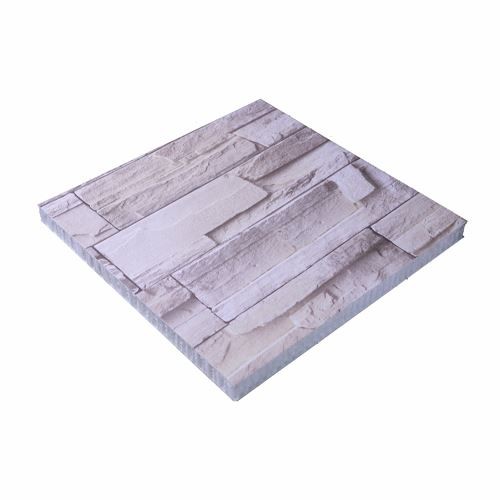
As a supplier of honeycomb composite boards, I've witnessed firsthand the growing demand for these versatile materials across various industries. Honeycomb composite boards are renowned for their lightweight, high strength, and excellent stiffness - to - weight ratio, making them ideal for applications in aerospace, automotive, construction, and many other fields. However, with such a wide range of products on the market, it's crucial for both suppliers and customers to understand the standards and certifications that ensure the quality and performance of honeycomb composite boards.
International and Industry - Specific Standards
One of the key aspects when dealing with honeycomb composite boards is compliance with international standards. ISO standards play a significant role in setting a global benchmark for the manufacture and performance of materials. For example, ISO 14126 focuses on the determination of impact resistance of fiber - reinforced plastic composites. Honeycomb composite boards often incorporate fiber - reinforced skins, and this standard helps in ensuring that the boards can withstand impact forces without significant damage.
In the aerospace industry, the Federal Aviation Administration (FAA) in the United States and the European Union Aviation Safety Agency (EASA) have strict regulations regarding the materials used in aircraft construction. Honeycomb composite boards used in aircraft interior components, such as cabin partitions and flooring, must meet specific fire, smoke, and toxicity (FST) requirements. These standards are in place to enhance passenger safety in case of an in - flight emergency. Compliance with FAA and EASA regulations not only ensures the safety of the aircraft but also attests to the high - end quality of the honeycomb composite boards.
In the automotive industry, the Iso/TR 12505 standard provides guidelines for the fatigue testing of composite materials used in vehicles. Since honeycomb composite boards are increasingly being used in automotive parts to reduce weight and improve fuel efficiency, compliance with fatigue - related standards is essential. This standard helps to ensure that the boards can withstand the repeated loads and vibrations experienced during normal vehicle operation over an extended period.
Fire Resistance Certifications
Fire resistance is a critical factor in many applications of honeycomb composite boards, especially in construction and transportation. Certifications such as UL 94 (Underwriters Laboratories Standard for Tests for Flammability of Plastic Materials for Parts in Devices and Appliances) are widely recognized. A high - rating under UL 94, such as V - 0, indicates that the honeycomb composite board has excellent fire - retardant properties.
In the construction industry, Euroclass fire ratings are commonly used. These ratings classify the fire performance of building materials on a scale from A1 (non - combustible) to F (highly combustible). Honeycomb composite boards used for interior wall panels, ceiling tiles, or insulation need to achieve appropriate Euroclass ratings depending on the specific building requirements. For instance, in commercial buildings and public spaces, higher - level fire - resistant boards are typically required to meet safety codes.
Structural Performance Certifications
Structural performance is another area where certifications are of utmost importance. ASTM International has developed a series of standards related to the mechanical properties of composite materials. For example, ASTM D3039 covers the tensile properties of polymer matrix composite materials. This standard can be used to evaluate the strength and modulus of the honeycomb composite board, which are crucial factors in determining its suitability for load - bearing applications.
EN 13706 is a European standard that focuses on the mechanical performance of sandwich panels with a cellular core, such as honeycomb composite boards. It assesses properties like shear strength, bending strength, and compression strength. Meeting this standard ensures that the honeycomb composite board can withstand the structural loads it is designed for in various construction and industrial applications.
Environmental Certifications
In today's environmentally - conscious world, environmental certifications of honeycomb composite boards are becoming increasingly important. The Forest Stewardship Council (FSC) certification is relevant when the honeycomb composite boards use wood - based components. FSC - certified products ensure that the wood used in the manufacturing process comes from sustainably managed forests.
Additionally, the Leadership in Energy and Environmental Design (LEED) certification system, widely used in the construction industry, encourages the use of environmentally friendly materials. Honeycomb composite boards that contribute to energy efficiency, have low - embodied energy, and are made from recycled or recyclable materials can earn points towards LEED certification for a building project.
Product - Specific Attributes and Certifications
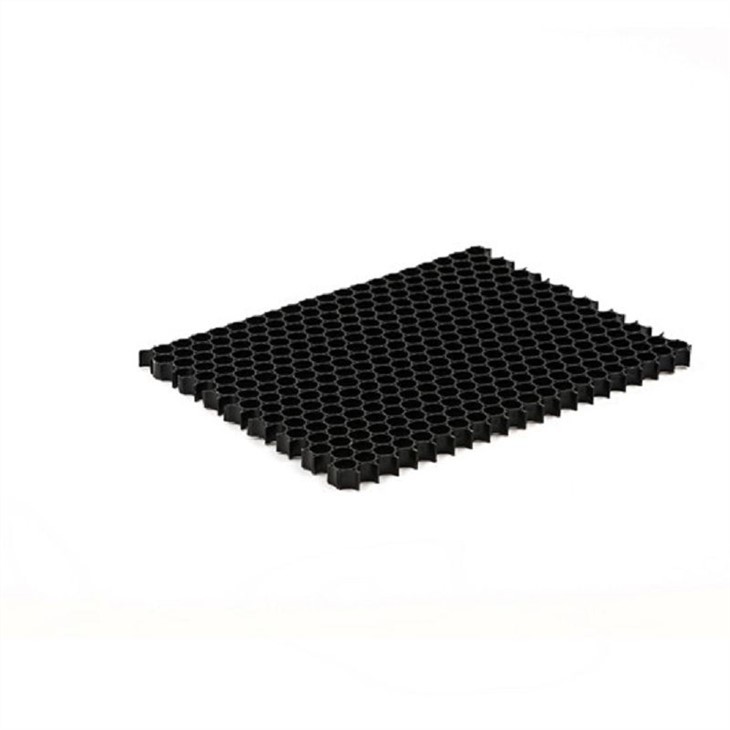
Some honeycomb composite boards are designed with specific attributes in mind. For example, Thermoplastic Honeycomb Core offers unique properties such as chemical resistance and recyclability. Specialized certifications may be available to verify these specific attributes. Manufacturers may work with independent testing laboratories to obtain certifications that confirm the chemical resistance level of the thermoplastic honeycomb core against certain substances.
In the construction sector, Honeycomb - building - panels are often used for their insulation and sound - proofing properties. Certifications like ASTM C518 for thermal resistance and ASTM E90 for airborne sound transmission loss can be obtained to validate these performance characteristics.
How Standards and Certifications Benefit Our Customers
For our customers, understanding and relying on the standards and certifications of honeycomb composite boards is of great value. Firstly, it provides confidence in the quality and performance of the product. When a customer purchases a honeycomb composite board that meets relevant international and industry - specific standards, they know that the board has been thoroughly tested and verified to perform as expected.
Secondly, it helps in regulatory compliance. In industries such as aerospace and construction, where strict regulations govern the use of materials, using certified honeycomb composite boards ensures that the final product or project complies with the law. This can prevent costly legal issues and delays in project completion.
Finally, it promotes innovation and continuous improvement. As a supplier, we are constantly striving to meet and exceed the existing standards. This drive for compliance with high - end certifications encourages us to invest in research and development, leading to the creation of better - performing and more sustainable honeycomb composite boards.
Invitation to Contact for Purchase and Consultation
If you are in the market for high - quality honeycomb composite boards, I invite you to contact us for a detailed consultation. Our team of experts can provide you with in - depth information about the standards and certifications of our products, and help you select the most suitable honeycomb composite boards for your specific application. Whether you are working on an aerospace project, an automotive design, or a construction development, we have the knowledge and the product range to meet your needs. Let's start a conversation about how our honeycomb composite boards can enhance your next project.
References
- ASTM International. (n.d.). Various standards related to composite materials.
- Eurocodes. (n.d.). EN 13706 standard on sandwich panels with cellular core.
- Federal Aviation Administration (FAA). (n.d.). Regulations on aircraft materials.
- European Union Aviation Safety Agency (EASA). (n.d.). Regulations on aviation materials.
- Forest Stewardship Council (FSC). (n.d.). Certification information.
- ISO. (n.d.). ISO standards for composite materials.
- Leadership in Energy and Environmental Design (LEED). (n.d.). Certification system details.
- Underwriters Laboratories (UL). (n.d.). UL 94 standard for flammability of plastic materials.