

Hey there! I'm a supplier of Non Slip Honeycomb Panels, and today I want to dig into a question that's been on a lot of people's minds: Can non slip honeycomb panels be recycled?
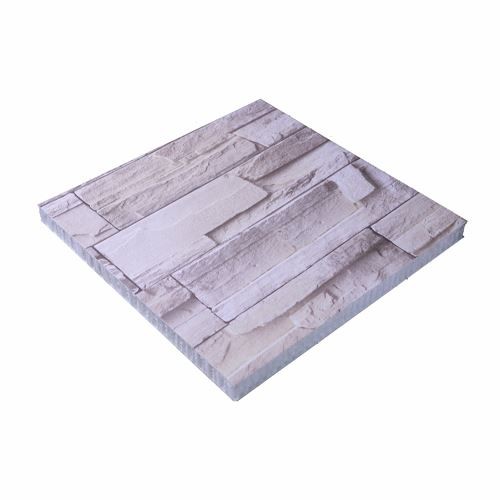
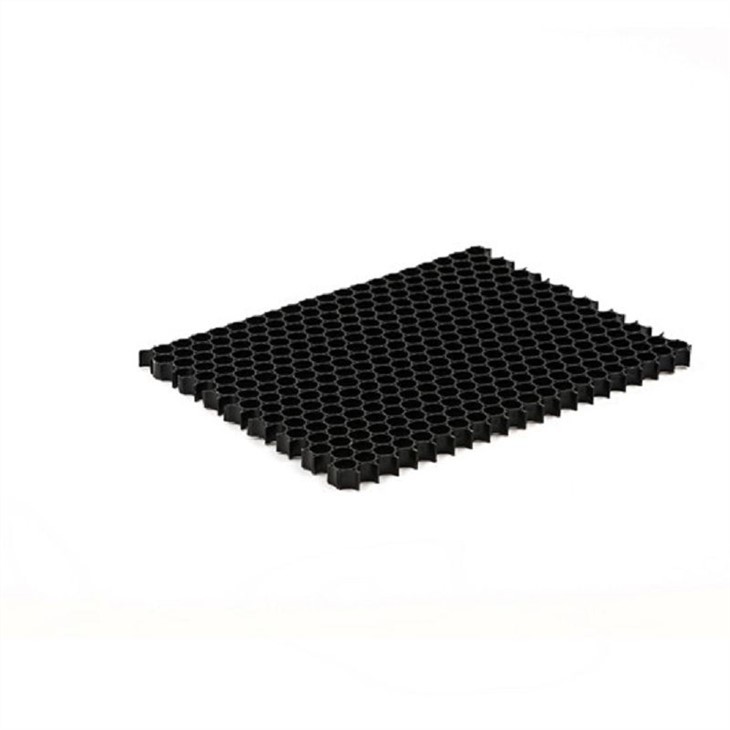
First off, let's talk a bit about what non slip honeycomb panels are. These panels are super cool. They've got a honeycomb structure inside, which gives them a great balance of strength and light - weight. And the non - slip part is crucial, especially in areas where safety is a big deal, like industrial floors, walkways, and even some marine applications.
Now, when it comes to recycling, it all boils down to the materials these panels are made of. Most non slip honeycomb panels are made from plastics, mainly polypropylene. Polypropylene is a thermoplastic, which means it can be melted down and remolded. This is a really good sign for recyclability.
Thermoplastic honeycomb cores, like the ones you can check out here Thermoplastic Honeycomb Core, are a key component of many non slip honeycomb panels. Since they're made of polypropylene, they have the potential to be recycled. When we recycle polypropylene, we can turn it into new products. It could be used to make more honeycomb panels, or it might end up in other plastic items like buckets, storage containers, or even automotive parts.
But it's not all smooth sailing. Recycling non slip honeycomb panels isn't as simple as just throwing them in a recycling bin. There are a few challenges. One of the main issues is the non - slip coating. This coating is added to the panels to make them, well, non - slip. But it can be a real pain when it comes to recycling. The coating might be made of different materials that don't mix well with the polypropylene during the recycling process. It could contaminate the melt and make it harder to turn the recycled plastic into a high - quality product.
Another challenge is the collection and sorting process. Non slip honeycomb panels aren't as common as your average plastic bottles or bags. So, getting them to a recycling facility can be tricky. Many recycling centers might not even know how to handle these specialized panels. And if they end up in a landfill instead of a recycling plant, that's a huge waste of resources.
However, there are solutions to these problems. Some companies are working on developing non - slip coatings that are more compatible with the recycling process. These coatings can be easily separated from the polypropylene during recycling, allowing for a cleaner and more efficient recycling process. Also, as a supplier, I'm trying to educate my customers about the importance of recycling these panels. I encourage them to return old panels to me, and I'm looking into partnerships with recycling facilities to ensure that these panels get a second life.
Let's also talk about the environmental benefits of recycling non slip honeycomb panels. When we recycle, we reduce the demand for new raw materials. Making plastic from scratch requires a lot of energy and resources. By recycling, we can save energy and cut down on pollution. It also helps to reduce the amount of plastic waste that ends up in landfills or the ocean.
Now, if you're in the market for non slip honeycomb panels, you might be interested in the Honeycomb - building - panels we offer. These panels are not only high - quality and non - slip, but we're also committed to making them as recyclable as possible. We're constantly researching and developing new ways to improve the recyclability of our products.
If you're thinking about using non slip honeycomb panels for your project, whether it's a small DIY job or a large - scale industrial application, I'd love to talk to you. We can discuss your specific needs, the best type of panels for your project, and also how we can work together to ensure that these panels are recycled properly at the end of their life.
In conclusion, while there are challenges, non slip honeycomb panels can be recycled. With the right technology, processes, and a bit of effort from all of us - suppliers, customers, and recycling facilities - we can make the recycling of these panels a reality. So, if you're interested in learning more or making a purchase, don't hesitate to reach out. Let's work together to make our products more sustainable and reduce our environmental impact.
References
- General knowledge about plastic recycling and polypropylene properties
- Industry research on non slip honeycomb panel manufacturing and recycling challenges