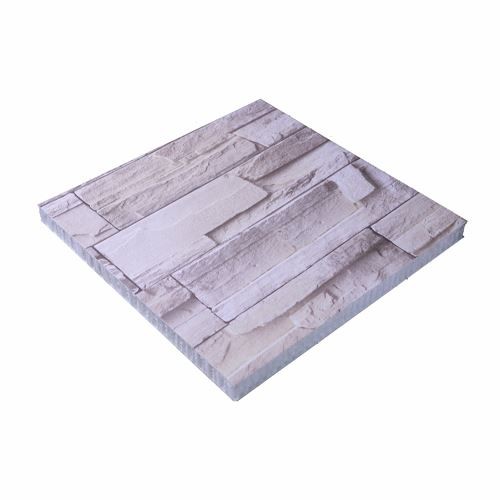
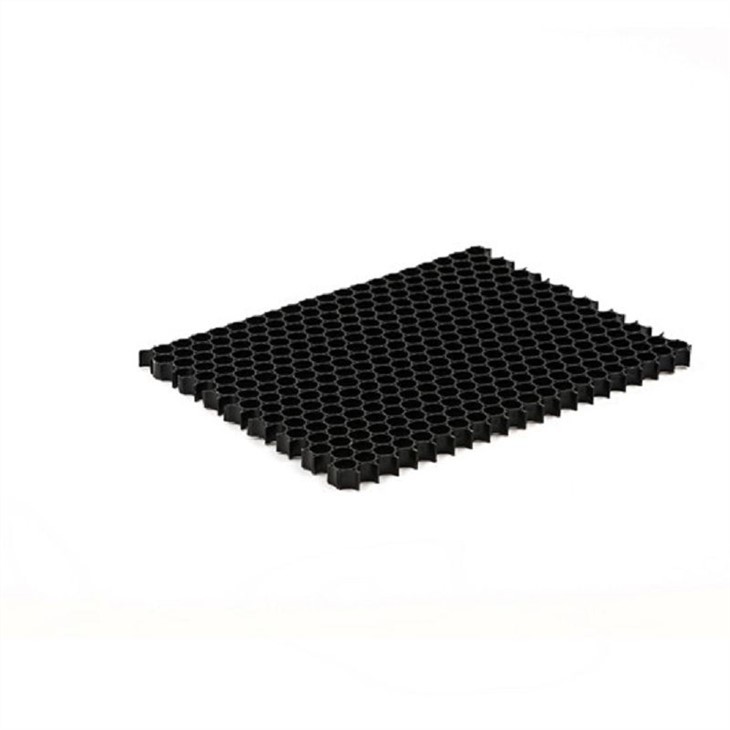
Non-woven honeycomb panels have emerged as a game-changer in the aerospace industry, offering a unique blend of lightweight design, high strength, and excellent performance. As a non-woven honeycomb panel supplier, I've seen firsthand how these innovative materials are meeting the demanding requirements of this high-stakes sector. Let's dive into how non-woven honeycomb panels are making waves in aerospace.
Lightweight Excellence
One of the most critical requirements in the aerospace industry is reducing weight. Every pound shaved off an aircraft translates to significant fuel savings over the long term. Non-woven honeycomb panels are incredibly lightweight because of their unique honeycomb structure. This design uses a minimal amount of material to create a strong, rigid structure. It's like building a bridge with just the right amount of steel in the right places - you get maximum strength with minimum weight.
The non-woven nature of these panels also contributes to their lightness. Unlike traditional materials that might be heavy and dense, non-woven fabrics are made up of fibers that are randomly arranged and bonded together. This results in a material that is both lightweight and porous, further reducing its overall mass.
High Strength and Rigidity
Despite their low weight, non-woven honeycomb panels offer remarkable strength and rigidity. The honeycomb structure distributes stress evenly across the panel, making it highly resistant to deformation. This is crucial in aerospace applications, where components need to withstand extreme forces during takeoff, flight, and landing.
For example, in aircraft interiors, non-woven honeycomb panels can be used for partitions, overhead bins, and galley structures. These panels need to be strong enough to support the weight of passengers' luggage and withstand the vibrations and turbulence of flight. The high strength-to-weight ratio of non-woven honeycomb panels makes them an ideal choice for these applications.
Excellent Insulation Properties
Thermal and acoustic insulation are also important factors in the aerospace industry. Non-woven honeycomb panels provide excellent thermal insulation, helping to keep the aircraft cabin at a comfortable temperature. This is achieved through the air pockets within the honeycomb structure, which act as a barrier to heat transfer.
In addition to thermal insulation, non-woven honeycomb panels also offer good acoustic insulation. They can reduce the noise level inside the aircraft cabin, providing a more comfortable and peaceful flying experience for passengers. This is particularly important for long-haul flights, where noise can be a major source of discomfort.
Fire Resistance and Safety
Safety is always a top priority in the aerospace industry. Non-woven honeycomb panels are designed to meet strict fire safety standards. They are often made from fire-resistant materials and treated to enhance their fire-retardant properties. This means that in the event of a fire, these panels will not easily catch fire or spread flames, helping to prevent the rapid spread of fire and smoke in the aircraft.
Customization and Flexibility
The aerospace industry has a wide range of unique requirements, and non-woven honeycomb panels can be customized to meet these specific needs. We can adjust the size, shape, and density of the honeycomb structure, as well as the type of non-woven fabric used, to create panels that are tailored to each application.
For example, some aerospace applications may require panels with a specific level of stiffness or flexibility. We can modify the design of the honeycomb structure and the properties of the non-woven fabric to achieve the desired mechanical properties. This level of customization ensures that the non-woven honeycomb panels can be used in a variety of aerospace components, from small interior parts to large exterior panels.
Cost-Effectiveness
In addition to their technical advantages, non-woven honeycomb panels can also offer cost savings for the aerospace industry. Their lightweight design reduces fuel consumption, which can result in significant long-term savings. Additionally, the ease of manufacturing and installation of non-woven honeycomb panels can lower production costs.
The flexibility and customization options of non-woven honeycomb panels also mean that they can replace multiple traditional materials in some applications. This can simplify the manufacturing process and reduce inventory costs.
Applications in Aerospace
Non-woven honeycomb panels are used in a wide range of aerospace applications. In addition to the interior components mentioned earlier, they are also used in aircraft wings, tails, and fuselage sections. The lightweight and high-strength properties of these panels make them suitable for use in structural applications, where they can help to reduce the overall weight of the aircraft without sacrificing strength or performance.
They are also used in satellite components, where their excellent insulation properties and low weight are highly valued. Satellites need to be lightweight to reduce the cost of launching them into space, and they also need to be protected from extreme temperatures and radiation. Non-woven honeycomb panels can provide both thermal insulation and physical protection for satellite components.
The Future of Non-Woven Honeycomb Panels in Aerospace
As the aerospace industry continues to evolve, the demand for lightweight, high-performance materials like non-woven honeycomb panels is likely to increase. With ongoing research and development, we expect to see even more advanced non-woven honeycomb panel designs that offer even better performance and cost savings.
The use of non-woven honeycomb panels in aerospace is also likely to expand as manufacturers look for new ways to improve the efficiency and safety of their aircraft and spacecraft. We are excited to be a part of this trend and look forward to seeing how non-woven honeycomb panels will shape the future of the aerospace industry.
If you're in the aerospace industry and looking for high-quality non-woven honeycomb panels, I'd love to hear from you. We can provide you with detailed information about our products and how they can meet your specific requirements. Don't hesitate to reach out for a consultation and let's discuss how we can work together to take your aerospace projects to the next level.
References
- "Advanced Materials in Aerospace Engineering" - Various research papers on the use of lightweight and high-performance materials in aerospace.
- "Honeycomb Structures: Design, Manufacturing, and Applications" - A comprehensive guide on honeycomb structures and their diverse uses.
- "Thermal and Acoustic Insulation in Aerospace" - Studies on the importance of insulation in aircraft and spacecraft.
You can also check out more about our related products on our website: Honeycomb-building-panels and Thermoplastic Honeycomb Core. Looking forward to your inquiry!