

As a supplier of Non Woven Honeycomb Panels, one of the most frequently asked questions I encounter is about the pressure-bearing capacity of these panels. Understanding how much pressure a Non Woven Honeycomb Panel can bear is crucial for various applications, from construction to automotive and packaging. In this blog, I'll delve into the factors that influence the pressure resistance of these panels, provide some real - world examples, and offer insights into how to choose the right panel for your specific needs.
Factors Affecting the Pressure - Bearing Capacity of Non Woven Honeycomb Panels
Material Composition
The materials used in the production of Non Woven Honeycomb Panels play a significant role in determining their pressure - bearing capacity. These panels are typically made from non - woven fabrics, which can be composed of different fibers such as polyester, polypropylene, or a blend of various materials. Polypropylene, for instance, is known for its high strength - to - weight ratio and chemical resistance. When used in Non Woven Honeycomb Panels, it can enhance the panel's ability to withstand pressure.
The quality of the non - woven fabric also matters. High - quality fabrics with a uniform fiber distribution and proper bonding between fibers are more likely to provide better pressure resistance. Additionally, some panels may have a coating or laminate applied to the non - woven surface, which can further improve their strength and durability.
Honeycomb Structure
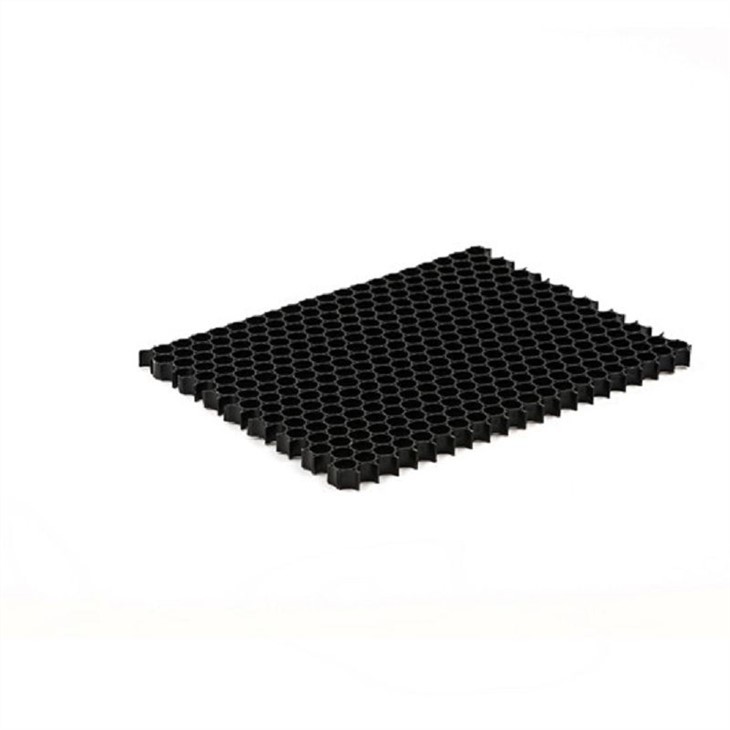
The honeycomb structure is the defining feature of these panels and has a direct impact on their pressure - bearing capacity. The hexagonal cells in the honeycomb design distribute the load evenly across the panel. The size of the honeycomb cells, the thickness of the cell walls, and the overall density of the honeycomb structure all affect how much pressure the panel can bear.
Smaller honeycomb cells generally provide higher strength and better pressure resistance because they can distribute the load more effectively. Thicker cell walls also contribute to increased strength, as they are better able to withstand the forces applied to the panel. The density of the honeycomb structure, which is determined by the number of cells per unit area, can also influence the panel's performance. A higher - density honeycomb structure typically offers greater pressure resistance.
Panel Thickness
The thickness of the Non Woven Honeycomb Panel is another important factor. Thicker panels generally have a higher pressure - bearing capacity because they have more material to resist the applied forces. However, it's important to note that increasing the thickness also increases the weight of the panel, which may not be desirable in some applications where weight is a critical factor, such as in the aerospace industry.
Measuring the Pressure - Bearing Capacity
The pressure - bearing capacity of Non Woven Honeycomb Panels is typically measured in terms of compressive strength. Compressive strength is the maximum amount of pressure that a panel can withstand before it starts to deform or fail. This is usually determined through standardized testing methods.
One common testing method is the compression test, where a sample of the panel is placed between two flat plates, and a gradually increasing load is applied until the panel fails. The maximum load at which the panel fails is recorded, and the compressive strength is calculated by dividing this load by the cross - sectional area of the sample.
It's important to note that the pressure - bearing capacity can vary depending on the direction of the applied force. Non Woven Honeycomb Panels usually have different compressive strengths in the in - plane and out - of - plane directions. In - plane strength refers to the ability of the panel to withstand forces applied parallel to the surface of the panel, while out - of - plane strength refers to the ability to withstand forces applied perpendicular to the surface.
Real - World Applications and Pressure Requirements
Construction
In the construction industry, Non Woven Honeycomb Panels are used for various purposes, such as wall partitions, ceiling panels, and flooring underlayment. For wall partitions, the panels need to be able to withstand the weight of any fixtures or decorations that may be attached to them, as well as the normal forces exerted during daily use. A typical wall partition panel may need to have a compressive strength of several hundred pounds per square inch (psi) to ensure long - term stability.
For ceiling panels, the pressure requirements are generally lower, as they mainly need to support their own weight and any minor loads from lighting fixtures or ventilation systems. However, they still need to be able to withstand some pressure to prevent sagging over time.
In flooring underlayment applications, the panels need to be able to bear the weight of foot traffic, furniture, and other loads. They may require a relatively high compressive strength, especially in commercial or high - traffic areas.
Automotive
In the automotive industry, Non Woven Honeycomb Panels are used for interior components such as door panels, seat backs, and dashboard inserts. These panels need to be lightweight to improve fuel efficiency but still strong enough to withstand the normal forces and vibrations encountered during driving. For example, a door panel may need to be able to withstand the pressure from passengers leaning against it, as well as the impact forces from minor collisions. The compressive strength requirements for automotive applications can vary depending on the specific location and function of the panel but are typically in the range of tens to hundreds of psi.
Packaging
In the packaging industry, Non Woven Honeycomb Panels are used to protect fragile items during transportation. The panels need to be able to absorb and distribute the shock and impact forces that occur during handling and shipping. For example, when packaging electronic devices, the panels need to provide sufficient cushioning to prevent damage from drops or impacts. The pressure - bearing capacity of packaging panels is often measured in terms of their ability to withstand a certain level of impact energy, rather than just static compressive strength.
Choosing the Right Non Woven Honeycomb Panel
When choosing a Non Woven Honeycomb Panel for your specific application, it's important to consider the pressure requirements. First, determine the maximum load that the panel will need to bear in your application. This may involve calculating the weight of any objects that will be placed on the panel, as well as any dynamic forces that may be applied.
Next, consider the factors mentioned above, such as material composition, honeycomb structure, and panel thickness. You can also refer to the manufacturer's specifications for the compressive strength of different panel options. If you're unsure about which panel is the best fit for your needs, it's a good idea to consult with a technical expert or the panel supplier.
Related Products and Their Advantages
If you're looking for alternative honeycomb products, you might be interested in Thermoplastic Honeycomb Core. Thermoplastic honeycomb cores offer several advantages, such as high strength, good chemical resistance, and the ability to be molded into different shapes. They are often used in applications where a lightweight and durable honeycomb structure is required, such as in the aerospace and automotive industries.
Another option is Honeycomb - building - panels. These panels are specifically designed for construction applications and offer excellent insulation properties, as well as high strength and fire resistance. They can be used for a variety of building components, including walls, roofs, and floors.
Contact for Purchase and洽谈
If you're interested in purchasing Non Woven Honeycomb Panels or have any questions about their pressure - bearing capacity and suitability for your application, please feel free to contact us. We have a team of experts who can provide you with detailed information and help you choose the right panel for your needs. Whether you're in the construction, automotive, or packaging industry, we're confident that our Non Woven Honeycomb Panels can meet your requirements.
References
- "Composite Materials Handbook", edited by various experts in the field of materials science.
- Industry standards and guidelines for Non Woven Honeycomb Panels, published by relevant professional organizations.
- Technical reports from leading manufacturers of Non Woven Honeycomb Panels.