

As a supplier of Honeycomb Building Panels, I've witnessed firsthand the growing demand for these innovative construction materials. One of the most frequently asked questions we encounter is how these panels handle humidity. In this blog post, I'll delve into the science behind honeycomb building panels' humidity management capabilities, exploring their structure, materials, and real-world performance.
The Structure of Honeycomb Building Panels
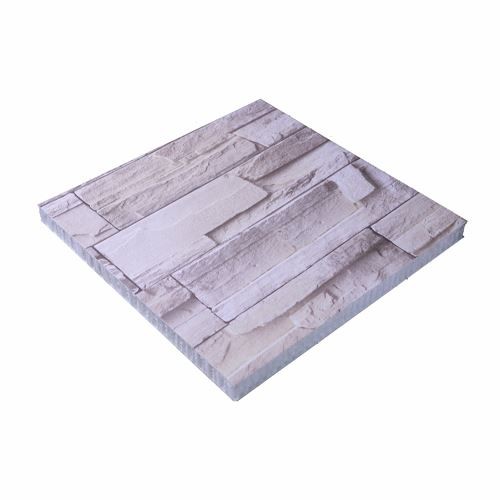
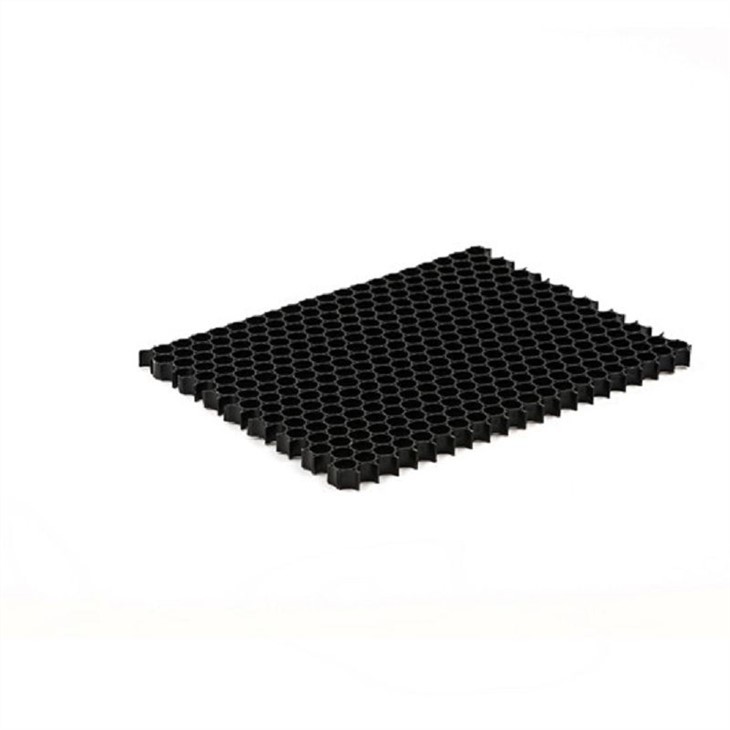
Honeycomb building panels are named for their distinctive hexagonal cell structure, which resembles a beehive. This structure is not only visually appealing but also offers exceptional strength and stiffness-to-weight ratio. The honeycomb core is typically sandwiched between two outer layers, which can be made of various materials such as aluminum, fiberglass, or thermoplastic. Thermoplastic Honeycomb Core is a popular choice due to its lightweight, corrosion resistance, and ease of processing.
The hexagonal cells in the honeycomb core act as small chambers that trap air. This trapped air serves as an insulating layer, reducing heat transfer and improving the panel's thermal performance. Additionally, the honeycomb structure provides excellent acoustic insulation, reducing noise transmission through the panel.
How Honeycomb Building Panels Handle Humidity
Humidity can have a significant impact on the performance and durability of building materials. Excessive moisture can lead to mold growth, rot, and structural damage. Honeycomb building panels are designed to address these challenges through their unique structure and materials.
Moisture Resistance
The outer layers of honeycomb building panels are typically made of materials that are resistant to moisture. For example, aluminum is a non-porous material that does not absorb water, making it highly resistant to corrosion and moisture damage. Fiberglass and thermoplastic materials can also be treated to enhance their moisture resistance.
The honeycomb core itself is also relatively resistant to moisture. The hexagonal cells in the core are sealed, preventing water from entering and spreading throughout the panel. This helps to maintain the panel's structural integrity and prevent the growth of mold and mildew.
Vapor Permeability
While honeycomb building panels are resistant to moisture, they also allow for some degree of vapor permeability. Vapor permeability refers to the ability of a material to allow water vapor to pass through it. This is important because it allows moisture that may accumulate within the building to escape, preventing the buildup of humidity and reducing the risk of mold growth.
The vapor permeability of honeycomb building panels can be controlled by selecting the appropriate outer layer materials and by adjusting the thickness and density of the honeycomb core. For example, panels with a more porous outer layer or a thinner honeycomb core will generally have a higher vapor permeability.
Thermal Insulation
Thermal insulation plays a crucial role in humidity management. When a building is poorly insulated, it can lead to temperature differences between the interior and exterior, which can cause moisture to condense on surfaces. Honeycomb building panels provide excellent thermal insulation, reducing heat transfer and minimizing the risk of condensation.
The trapped air in the honeycomb core acts as an insulating layer, reducing the flow of heat through the panel. This helps to maintain a more consistent temperature inside the building, preventing the formation of cold spots where moisture can condense.
Real-World Performance
To understand how honeycomb building panels perform in real-world conditions, let's take a look at some case studies.
Commercial Building in a Humid Climate
A commercial building located in a humid coastal area was constructed using honeycomb building panels. The panels were used for the exterior walls and roofing of the building. After several years of operation, the building has shown no signs of moisture damage or mold growth. The panels have maintained their structural integrity and have provided excellent thermal and acoustic insulation.
The honeycomb building panels' moisture resistance and vapor permeability have helped to prevent the buildup of humidity inside the building, while their thermal insulation has reduced the energy consumption required to maintain a comfortable indoor temperature.
Residential Building in a Cold Climate
A residential building in a cold climate was renovated using honeycomb building panels. The panels were installed on the interior walls of the building to improve insulation and reduce noise transmission. The homeowners reported a significant improvement in the comfort of their home, with less drafts and a more consistent temperature.
The honeycomb building panels' thermal insulation has helped to prevent heat loss from the building, while their vapor permeability has allowed moisture to escape, reducing the risk of condensation and mold growth.
Conclusion
In conclusion, honeycomb building panels are an excellent choice for managing humidity in buildings. Their unique structure and materials provide moisture resistance, vapor permeability, and thermal insulation, helping to prevent the buildup of humidity, reduce the risk of mold growth, and improve the energy efficiency of the building.
As a supplier of Honeycomb-building-panels, we are committed to providing high-quality products that meet the needs of our customers. If you are interested in learning more about how honeycomb building panels can benefit your next construction project, please contact us to discuss your specific requirements. We look forward to working with you to create a more comfortable, energy-efficient, and sustainable building environment.
References
- "Honeycomb Structures in Engineering: A Review." Journal of Materials Science, vol. 47, no. 1, 2012, pp. 1-18.
- "Moisture Management in Buildings." Building Science Corporation, 2010.
- "Thermal Insulation and Energy Efficiency in Buildings." International Energy Agency, 2015.