

Hey there! As a supplier of Non Slip Honeycomb Panels, I often get asked how our products stack up against vinyl floors when it comes to non - slip features. So, I thought I'd dive into this topic and share some insights.
First off, let's talk about what makes a floor non - slip. A non - slip surface reduces the risk of slips, trips, and falls by providing enough friction between the sole of your shoe and the floor. This is super important in areas where water, oil, or other slippery substances might be present, like kitchens, bathrooms, and industrial settings.
Non Slip Honeycomb Panels
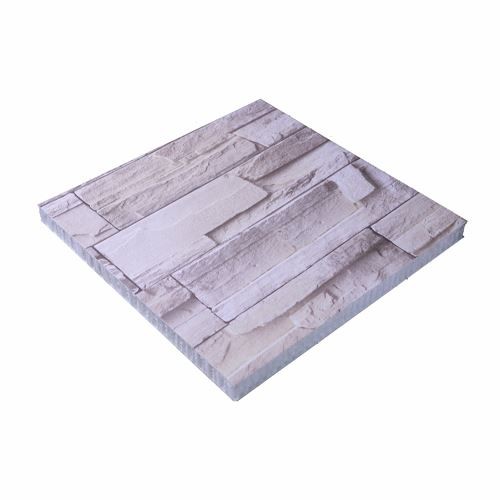
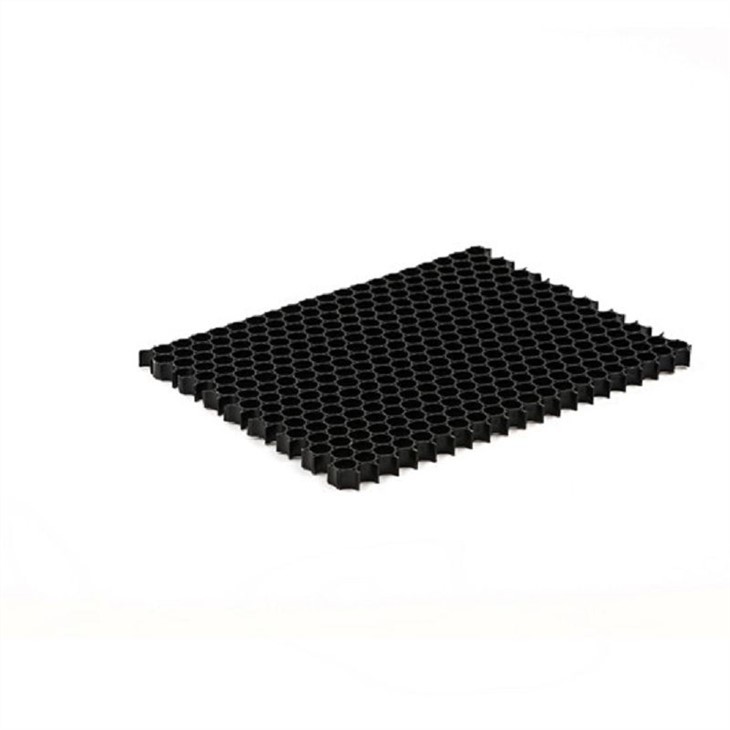
Non slip honeycomb panels are pretty cool. They're made with a honeycomb structure, which not only gives them strength but also allows for some unique non - slip features. The honeycomb design can trap small amounts of liquid, preventing it from forming a continuous slippery layer on the surface.
The materials used in these panels are also chosen for their non - slip properties. For example, some of our panels are made with a special thermoplastic material. You can learn more about Thermoplastic Honeycomb Core. This material has a rough texture that increases friction. Even when wet, the surface still provides a good grip.
Another advantage of non slip honeycomb panels is that they can be customized. We can adjust the size and shape of the honeycomb cells, as well as the texture of the surface, to meet different non - slip requirements. For high - traffic areas or places where the risk of slipping is extremely high, we can make the panels with a more aggressive non - slip surface.
Vinyl Floors
Vinyl floors are a popular choice for many homes and commercial spaces. They're affordable, easy to install, and come in a wide variety of colors and patterns. When it comes to non - slip features, vinyl floors can be treated to have a non - slip finish.
There are different levels of non - slip treatment for vinyl floors. Some are designed for light - traffic areas, like bedrooms and living rooms, while others are made for wet areas such as bathrooms. However, the non - slip properties of vinyl floors can wear off over time, especially in high - traffic areas.
The surface of vinyl floors is generally smoother compared to non slip honeycomb panels. While this can make them easier to clean, it also means that they might not provide as much friction, especially when wet. And if there's any damage to the non - slip coating on the vinyl floor, the risk of slipping increases significantly.
Comparison of Non - Slip Features
Wet Conditions
In wet conditions, non slip honeycomb panels really shine. The honeycomb structure helps to channel water away from the surface, reducing the risk of a slippery film forming. The rough texture of the thermoplastic material also maintains its grip even when soaked.
On the other hand, vinyl floors can become extremely slippery when wet. Even with a non - slip treatment, the smooth surface can still be a hazard. And once the non - slip coating starts to wear off, the situation gets worse.
Durability of Non - Slip Properties
Non slip honeycomb panels are more durable in terms of their non - slip features. The texture and the honeycomb design are integral parts of the panel, so they don't wear off easily. Whether it's heavy foot traffic or exposure to chemicals, the non - slip performance remains relatively stable.
Vinyl floors, as mentioned earlier, can lose their non - slip properties over time. High - traffic areas will see more wear and tear on the non - slip coating, which means you may need to re - apply the treatment periodically to maintain safety.
Installation and Maintenance Impact on Non - Slip
Installing non slip honeycomb panels requires a bit more expertise compared to vinyl floors. But once they're installed, they're relatively easy to maintain. You just need to clean them regularly, and the non - slip properties will stay intact.
Vinyl floors are easy to install, but improper installation can affect their non - slip performance. For example, if the seams aren't properly sealed, water can seep in and damage the non - slip coating. And during maintenance, harsh cleaning chemicals can also wear away the non - slip finish.
Real - World Applications
In industrial settings, non slip honeycomb panels are often the preferred choice. Factories, warehouses, and workshops have areas where spills and wet conditions are common. The durability and excellent non - slip properties of honeycomb panels make them suitable for these high - risk environments. You can check out Honeycomb - building - panels for more information on their applications.
For residential use, vinyl floors are still very popular because of their affordability and aesthetic appeal. But in areas like the kitchen and bathroom, non slip honeycomb panels can offer better safety. Parents with young children or elderly people in the house might want to consider non slip honeycomb panels to reduce the risk of falls.
Conclusion
So, to sum it up, non slip honeycomb panels have several advantages over vinyl floors when it comes to non - slip features. They perform better in wet conditions, have more durable non - slip properties, and are well - suited for high - risk areas. However, vinyl floors are still a good option for some low - traffic and less - risky areas due to their affordability and ease of installation.
If you're looking for a reliable non - slip flooring solution, especially for areas where safety is a top priority, our Non Slip Honeycomb Panels are definitely worth considering. We can provide you with customized solutions to meet your specific needs. Don't hesitate to reach out if you're interested in learning more or want to start a procurement discussion.
References
- "Flooring Materials and Their Non - Slip Characteristics", Journal of Building Safety
- "Comparative Study of Non - Slip Floors in Industrial and Residential Settings", Research Institute of Flooring Technology