

Hey there! As a supplier of PP Honeycomb Core, I often get asked about the electrical conductivity of this nifty material. So, I thought I'd take a deep - dive into this topic and share everything I know with you.
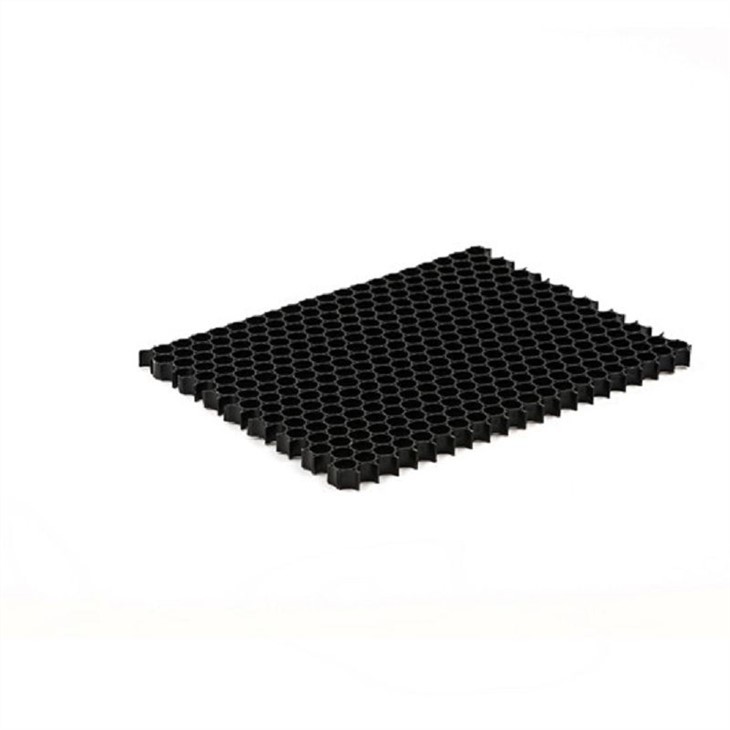
First off, let's understand what PP Honeycomb Core is. PP stands for polypropylene, which is a thermoplastic polymer. The honeycomb core structure is made by bonding multiple layers of polypropylene sheets in a hexagonal pattern, kind of like the honeycombs you see in a beehive. This structure gives it a great combination of strength and light - weight, making it super useful in a variety of applications.
Now, when it comes to electrical conductivity, polypropylene is generally considered an insulator. Insulators are materials that don't allow electric current to flow through them easily. The reason for this lies in the molecular structure of polypropylene. Its long - chain polymer molecules have a tightly - packed arrangement of atoms, and there aren't many free electrons available to carry an electric charge.
In a more technical sense, electrical conductivity is measured in siemens per meter (S/m). For polypropylene, the electrical conductivity is extremely low, usually in the range of about 10⁻¹⁵ to 10⁻¹⁷ S/m. To put this into perspective, a good conductor like copper has an electrical conductivity of around 5.96×10⁷ S/m. So, you can see that polypropylene is orders of magnitude less conductive than metals.
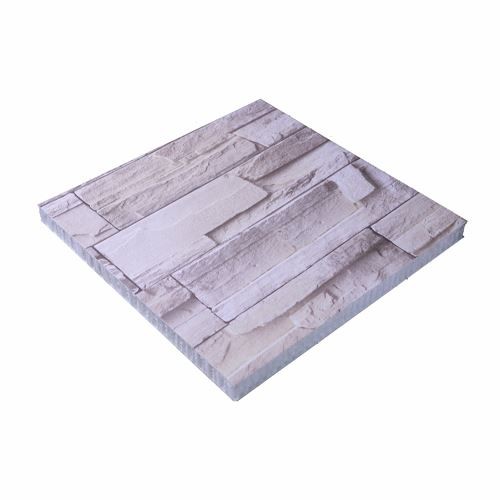
This low electrical conductivity of PP Honeycomb Core is actually a huge advantage in many applications. For example, in the construction industry, Honeycomb - building - panels made with PP Honeycomb Core can be used in areas where electrical insulation is crucial. Think about buildings near power lines or electrical substations. Using these panels can help prevent electrical interference and ensure the safety of the building's occupants.
Another area where the low conductivity is beneficial is in the electronics industry. Thermoplastic Honeycomb Core can be used as a structural component in electronic enclosures. Since it doesn't conduct electricity, it won't short - circuit any of the delicate electronic components inside. This helps in maintaining the integrity and functionality of the electronics.
But what if you need a material with some level of electrical conductivity? Well, there are ways to modify the electrical properties of PP Honeycomb Core. One common method is to add conductive fillers to the polypropylene during the manufacturing process. These fillers can be things like carbon black, carbon nanotubes, or metal particles. When added in the right amounts, these fillers can increase the electrical conductivity of the PP Honeycomb Core.
However, it's important to note that adding fillers can also affect other properties of the material. For example, adding too much carbon black might make the material more brittle, which could reduce its strength and durability. So, it's all about finding the right balance between the desired electrical conductivity and the other mechanical properties.
Now, let's talk about some of the factors that can influence the electrical conductivity of PP Honeycomb Core. Temperature is one of the key factors. Generally, as the temperature increases, the electrical conductivity of polymers like polypropylene also increases slightly. This is because higher temperatures give more energy to the molecules, allowing a few more electrons to become free and carry a charge.
The humidity in the environment can also have an impact. Polypropylene is a hydrophobic material, which means it doesn't absorb water easily. But in high - humidity conditions, a thin layer of moisture can form on the surface of the PP Honeycomb Core. This moisture can act as a conductor to some extent, increasing the overall electrical conductivity of the material.
The manufacturing process also plays a role. If the honeycomb structure is not uniform, or if there are defects in the bonding between the polypropylene sheets, it can affect the electrical conductivity. For instance, gaps or voids in the structure might prevent the flow of any small amount of electric current that could otherwise pass through the material.
So, in conclusion, the electrical conductivity of PP Honeycomb Core is extremely low in its natural state, making it a great insulator. This property makes it suitable for a wide range of applications where electrical insulation is required. But if you need a bit of conductivity, there are ways to modify it. As a supplier, I can work with you to understand your specific requirements and provide the right type of PP Honeycomb Core for your project.
If you're interested in purchasing PP Honeycomb Core for your application, whether it's for construction, electronics, or any other industry, I'd love to have a chat with you. Let's discuss your needs, and I'm confident we can find the perfect solution for you. Reach out, and we can start the procurement process together!
References
- "Polymer Science and Technology" by James E. Mark
- "Handbook of Thermoplastics" edited by O. Olabisi