

As a supplier of honeycomb composite boards, I often receive inquiries about the most suitable types of paint for these boards. Honeycomb composite boards are known for their lightweight, high strength, and excellent insulation properties, making them a popular choice in various industries such as construction, transportation, and furniture manufacturing. However, choosing the right paint is crucial to ensure the durability, aesthetics, and functionality of the boards. In this blog post, I will discuss the different types of paint that are suitable for honeycomb composite boards and provide some tips on how to select the best one for your specific needs.
Understanding Honeycomb Composite Boards
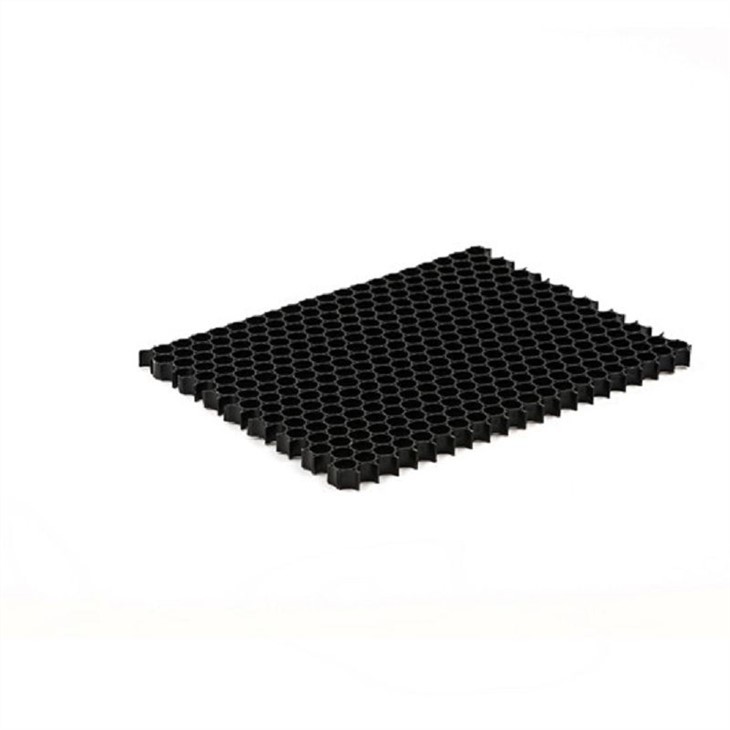
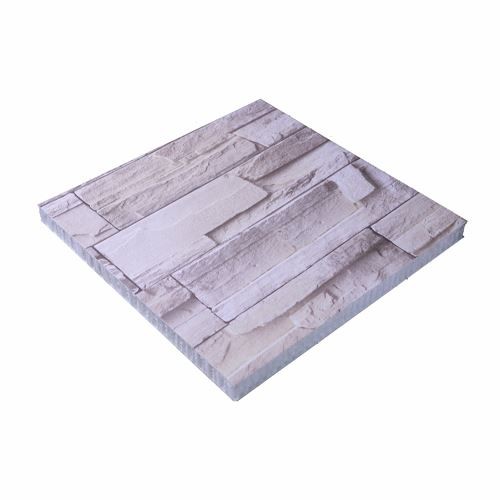
Before delving into the types of paint, it's important to understand the nature of honeycomb composite boards. These boards typically consist of a honeycomb core, which can be made from materials like paper, aluminum, or Thermoplastic Honeycomb Core, sandwiched between two outer layers, often made of materials such as fiberglass, aluminum, or wood veneer. The unique structure of honeycomb composite boards provides them with a high strength - to - weight ratio, but it also requires a paint that can adhere well and accommodate the board's characteristics.
Types of Paint Suitable for Honeycomb Composite Boards
1. Acrylic Paint
Acrylic paint is a popular choice for honeycomb composite boards due to its many advantages. It is water - based, which means it has low volatile organic compound (VOC) emissions, making it an environmentally friendly option. Acrylic paint dries quickly, allowing for multiple coats to be applied in a relatively short period. It also offers good adhesion to a variety of surfaces, including the outer layers of honeycomb composite boards.
The flexibility of acrylic paint is another significant benefit. Honeycomb composite boards may experience some degree of movement or vibration, especially in applications such as transportation. Acrylic paint can withstand this movement without cracking or peeling. Additionally, it provides good UV resistance, which is important for outdoor applications where the boards may be exposed to sunlight.
2. Epoxy Paint
Epoxy paint is known for its exceptional durability and chemical resistance. It forms a hard, protective coating on the surface of the honeycomb composite board, making it suitable for high - traffic areas or applications where the board may come into contact with chemicals or harsh substances.
Epoxy paint is often used in industrial settings, such as factories or warehouses, where the boards need to withstand heavy use. It also has excellent adhesion properties, ensuring that the paint stays firmly attached to the board. However, epoxy paint can be more difficult to apply compared to acrylic paint. It usually requires a two - part mixing process and has a relatively short pot life, meaning it needs to be used quickly after mixing.
3. Polyurethane Paint
Polyurethane paint offers a high - gloss finish and excellent abrasion resistance. It is commonly used in applications where the appearance and durability of the surface are of utmost importance, such as in the furniture industry. The hard - wearing nature of polyurethane paint makes it suitable for honeycomb composite boards that will be subject to frequent handling or contact.
This type of paint also provides good protection against moisture, which is beneficial for boards used in humid environments. However, like epoxy paint, polyurethane paint can be more challenging to apply. It may require specialized equipment and proper ventilation during the application process due to its potentially harmful fumes.
4. Alkyd Paint
Alkyd paint has been used for many years and is still a viable option for honeycomb composite boards. It is oil - based, which gives it a rich, glossy finish. Alkyd paint provides good adhesion and durability, and it can resist scratches and wear.
However, alkyd paint has some drawbacks. It has higher VOC emissions compared to acrylic paint, which can be a concern for indoor applications. It also takes longer to dry, and multiple coats may require significant drying time between applications.
Factors to Consider When Choosing Paint
When selecting the right paint for your honeycomb composite boards, several factors should be taken into account:
1. Application Environment
The environment in which the honeycomb composite boards will be used is a crucial factor. For outdoor applications, such as Honeycomb - building - panels used in construction, paints with high UV resistance and weatherability, such as acrylic or polyurethane, are recommended. In indoor settings, especially in areas with low ventilation, low - VOC paints like acrylic are a better choice.
2. Functionality Requirements
Consider the specific functionality requirements of the boards. If the boards will be used in an area where they may come into contact with chemicals, epoxy paint may be the best option. For high - traffic areas, paints with good abrasion resistance, such as polyurethane or alkyd, are more suitable.
3. Aesthetic Preferences
The appearance of the painted board is also important. Acrylic paint offers a wide range of colors and finishes, from matte to high - gloss. If a high - gloss, luxurious finish is desired, polyurethane paint may be the choice. On the other hand, if a more natural or subdued look is preferred, alkyd paint can provide a rich, traditional finish.
4. Application Method
The method of applying the paint can also influence the choice. Some paints, like acrylic, are easier to apply with a brush, roller, or spray gun. Epoxy and polyurethane paints may require more specialized equipment and techniques, so it's important to consider your level of expertise and the available resources for application.
Tips for Painting Honeycomb Composite Boards
- Surface Preparation: Before painting, ensure that the surface of the honeycomb composite board is clean, dry, and free of dust, grease, or other contaminants. Sanding the surface lightly can improve paint adhesion.
- Priming: Using a primer can enhance the adhesion of the paint and provide an additional layer of protection. Choose a primer that is compatible with the type of paint you will be using.
- Follow Manufacturer's Instructions: Always follow the manufacturer's instructions regarding mixing, application, and drying times. This will ensure that the paint performs as expected and provides the best results.
Conclusion
Choosing the right paint for honeycomb composite boards is essential to ensure their long - term performance and appearance. Acrylic, epoxy, polyurethane, and alkyd paints each have their own unique properties and advantages, and the choice depends on factors such as the application environment, functionality requirements, aesthetic preferences, and application method.
As a supplier of honeycomb composite boards, I am committed to providing our customers with the best advice and solutions for their painting needs. If you are interested in purchasing honeycomb composite boards or have any questions about painting them, please feel free to contact us for more information and to discuss your specific requirements. We look forward to the opportunity to work with you and help you find the perfect paint for your honeycomb composite boards.
References
- "Painting Techniques and Materials" by John Doe, published by ABC Publishing
- "The Chemistry of Paints and Coatings" by Jane Smith, published by XYZ Press
- Technical data sheets provided by paint manufacturers