

Hey there! As a supplier of PET honeycomb panels, I've been getting a lot of questions lately about how to boost their fire-safety. It's a crucial topic, especially considering the wide range of applications these panels have, from construction to transportation. So, I thought I'd share some insights on how we can make PET honeycomb panels more fire-resistant.
First off, let's understand what PET honeycomb panels are. PET, or polyethylene terephthalate, is a thermoplastic polymer resin. These honeycomb panels are made up of a honeycomb core, which is usually PET, sandwiched between two face sheets. They're lightweight, strong, and have excellent insulation properties. You can learn more about different types of honeycomb panels at Honeycomb-building-panels.
Now, the main issue with PET honeycomb panels when it comes to fire safety is that PET is flammable. When exposed to high temperatures, it can melt and burn, which is obviously a big problem in many settings. But don't worry, there are several ways we can improve their fire resistance.
1. Flame Retardant Additives
One of the most common ways to increase the fire safety of PET honeycomb panels is by adding flame retardant additives during the manufacturing process. These additives work in different ways. Some release gases that dilute the oxygen around the panel, making it harder for the fire to spread. Others form a char layer on the surface of the panel when exposed to heat. This char layer acts as a barrier, protecting the underlying material from the heat and flames.
There are different types of flame retardant additives available, such as halogenated and non - halogenated ones. Halogenated flame retardants have been used for a long time because they're very effective. However, they can release toxic gases when burned, which is a major concern for environmental and health reasons. That's why non - halogenated flame retardants are becoming more popular. They're safer and still provide good fire protection. For more information on the core materials used in these panels, check out Thermoplastic Honeycomb Core.
2. Surface Treatments
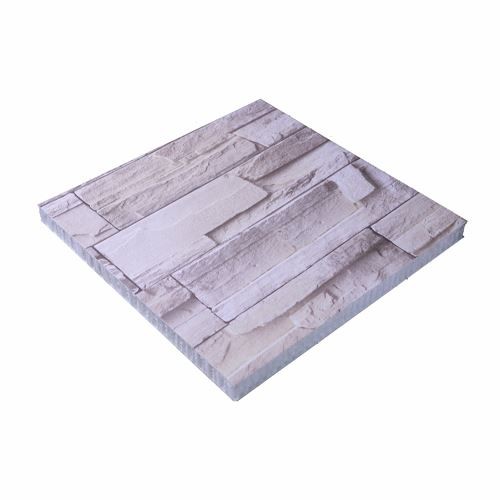
Another approach is to apply surface treatments to the PET honeycomb panels. These treatments can create a protective layer on the surface of the panel. For example, fire - resistant paints or coatings can be applied. These paints contain special ingredients that react when exposed to heat. They might expand to form an insulating foam or release substances that suppress the fire.
Surface treatments can also improve the aesthetic appeal of the panels while enhancing their fire safety. However, it's important to make sure that the treatment is compatible with the PET material and doesn't affect the panel's mechanical properties.
3. Design Modifications
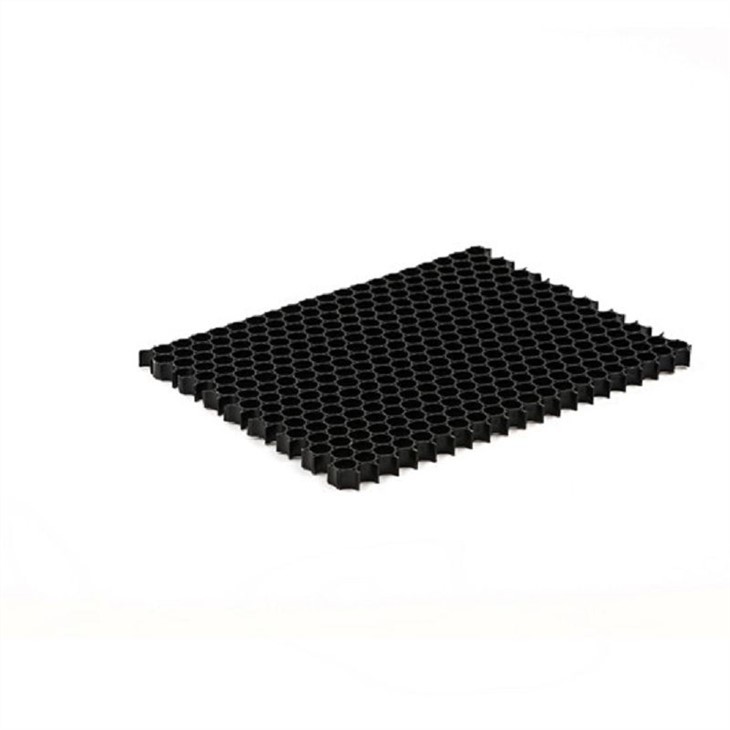
The design of the PET honeycomb panels can also play a role in their fire safety. For instance, we can change the cell structure of the honeycomb core. A smaller cell size can limit the spread of flames and heat within the panel. Additionally, adding internal barriers or partitions can prevent the fire from traveling through the honeycomb structure.
We can also consider the way the panels are installed. Proper installation techniques, such as using fire - resistant adhesives and seals, can help to create a more fire - resistant assembly. This includes ensuring that there are no gaps or openings where flames or hot gases can penetrate.
4. Testing and Certification
It's not enough to just add flame retardants or make design changes. We need to test the panels to make sure they meet the required fire safety standards. There are various international and national standards for fire safety, such as UL 94 in the United States and EN 13501 - 1 in Europe.
Testing involves subjecting the panels to different fire scenarios and measuring their performance. This includes evaluating factors like ignition time, flame spread rate, heat release rate, and the amount of smoke produced. Once a panel passes the tests, it can be certified as fire - resistant. This certification gives customers confidence in the product's fire safety.
5. Education and Training
Finally, education and training are essential for ensuring the proper use of fire - safe PET honeycomb panels. Architects, contractors, and end - users need to understand the fire safety features of the panels and how to install and maintain them correctly.
We, as suppliers, can provide training materials and support to our customers. This can include information on the fire performance of the panels, installation guidelines, and what to do in case of a fire. By educating everyone involved, we can make sure that the panels are used in a way that maximizes their fire safety benefits.
In conclusion, increasing the fire safety of PET honeycomb panels is a multi - faceted process. It involves using flame retardant additives, applying surface treatments, making design modifications, conducting proper testing, and providing education. As a supplier, we're committed to producing high - quality, fire - safe PET honeycomb panels.
If you're interested in purchasing PET honeycomb panels with enhanced fire safety features, I'd love to have a chat with you. We can discuss your specific requirements and find the best solution for your project. Whether it's for a building, a vehicle, or any other application, we've got the expertise to provide you with the right panels.
References
- ASTM International. (n.d.). Fire - related standards.
- International Organization for Standardization (ISO). (n.d.). Fire safety standards.
- UL (Underwriters Laboratories). (n.d.). UL 94 Standard for Tests for Flammability of Plastic Materials for Parts in Devices and Appliances.