

Yo, what's up everyone! I'm a supplier of PP Honeycomb Panels, and today I wanna talk about whether these panels are suitable for use in areas with high seismic activity.
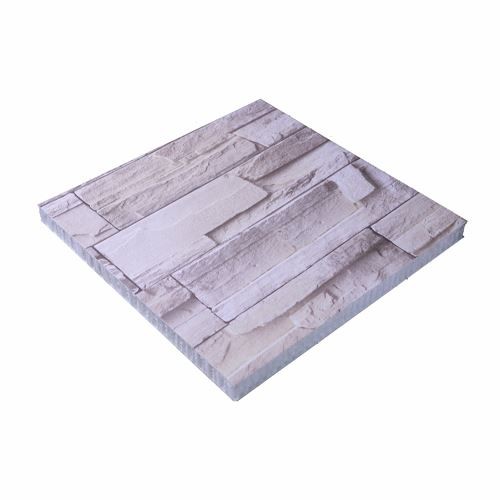
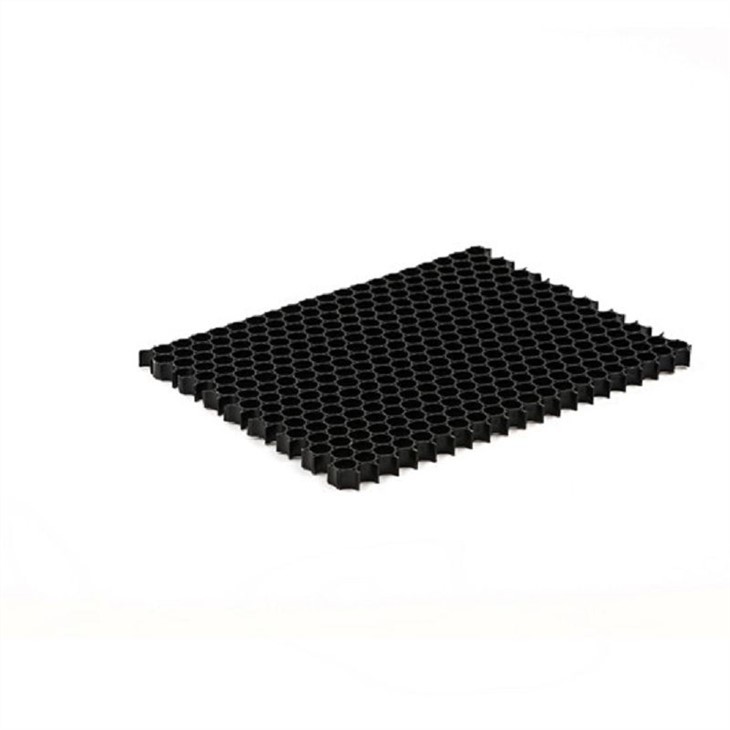
First off, let's get to know PP Honeycomb Panels a bit. These panels are made from polypropylene, which is a thermoplastic polymer. They have a honeycomb structure inside, which gives them some really cool properties. You can check out more about Honeycomb - building - panels and Thermoplastic Honeycomb Core on these links.
The Basics of Seismic Activity
Seismic activity is all about earthquakes. Earthquakes happen when there's a sudden release of energy in the Earth's crust, causing seismic waves. In areas with high seismic activity, the ground can shake pretty violently. Buildings and structures in these places need to be able to withstand these shakes without collapsing.
Properties of PP Honeycomb Panels
PP Honeycomb Panels have some features that might make them a good fit for seismic - prone areas.
Lightweight
One of the biggest advantages of PP Honeycomb Panels is their lightweight nature. Compared to traditional building materials like concrete or steel, these panels are much lighter. When an earthquake hits, the force exerted on a structure is related to its mass. A lighter structure experiences less seismic force. So, using PP Honeycomb Panels can reduce the overall weight of a building, which in turn can lower the seismic load.
High Strength - to - Weight Ratio
Even though they're lightweight, PP Honeycomb Panels have a high strength - to - weight ratio. The honeycomb structure distributes the load evenly across the panel. This means that they can support a good amount of weight without being too heavy themselves. In an earthquake, this ability to handle loads can help the panels maintain their integrity and prevent the building from collapsing.
Flexibility
PP Honeycomb Panels are somewhat flexible. When the ground shakes during an earthquake, a rigid structure might crack or break. But the flexibility of these panels allows them to bend and absorb some of the seismic energy. This can prevent the panels from shattering and keep the building standing.
Challenges and Considerations
However, it's not all sunshine and rainbows. There are also some challenges when using PP Honeycomb Panels in high - seismic areas.
Fire Resistance
PP is a plastic material, and plastics are generally not very fire - resistant. In the aftermath of an earthquake, there's a risk of fires breaking out due to damaged electrical systems or gas leaks. If the PP Honeycomb Panels catch fire easily, it can pose a serious threat to the safety of the building and its occupants. Special fire - retardant treatments can be applied to the panels, but this adds to the cost.
Connection Systems
The way the panels are connected to each other and to the rest of the building structure is crucial. In an earthquake, the connections need to be strong enough to hold the panels in place. If the connection systems are weak, the panels might come loose, which can lead to the failure of the entire structure. Developing reliable connection systems for PP Honeycomb Panels in seismic - prone areas is still a bit of a challenge.
Long - Term Durability
Seismic activity is not a one - time event. Buildings in high - seismic areas need to be able to withstand multiple earthquakes over their lifespan. PP Honeycomb Panels are relatively new in the construction industry, and there's not a lot of long - term data on how they perform under repeated seismic stress. There's a concern that the panels might degrade over time, losing their strength and flexibility.
Real - World Examples and Research
There have been some studies and real - world applications that give us an idea of how PP Honeycomb Panels perform in seismic areas.
Some small - scale experimental buildings have been constructed using PP Honeycomb Panels in seismic - prone regions. These buildings have withstood minor earthquakes relatively well, showing that the panels have some potential. However, these are just small - scale tests, and more large - scale research is needed.
In some research projects, engineers have used computer simulations to analyze the behavior of PP Honeycomb Panels during earthquakes. The simulations have shown that the lightweight and flexible nature of the panels can indeed reduce the seismic response of a building. But again, these are simulations, and real - world conditions can be more complex.
Conclusion
So, is PP Honeycomb Panel suitable for use in areas with high seismic activity? Well, it has both pros and cons. The lightweight, high strength - to - weight ratio, and flexibility of the panels make them a promising option. They can potentially reduce the seismic load on a building and absorb some of the seismic energy.
However, the challenges like fire resistance, connection systems, and long - term durability need to be addressed. With further research and development, and the right design and installation, PP Honeycomb Panels could become a viable choice for construction in seismic - prone areas.
If you're interested in using PP Honeycomb Panels for your construction projects, especially in seismic - prone areas, I'd love to have a chat with you. We can discuss how these panels can meet your specific needs and how we can work together to overcome the challenges. Don't hesitate to reach out and start a conversation about procurement.
References
- Research on the Seismic Performance of Lightweight Building Materials, Journal of Structural Engineering
- The Properties and Applications of Polypropylene Honeycomb Panels, Construction Materials Review