

The aviation industry demands materials that combine lightweight properties with high strength, durability, and resistance to various environmental factors. In recent years, there has been growing interest in the potential use of Polypropylene (PP) Honeycomb Panels in this high - stakes sector. As a supplier of PP Honeycomb Panels, I am excited to explore this topic and share insights on whether these panels can find a place in aviation.
Properties of PP Honeycomb Panels
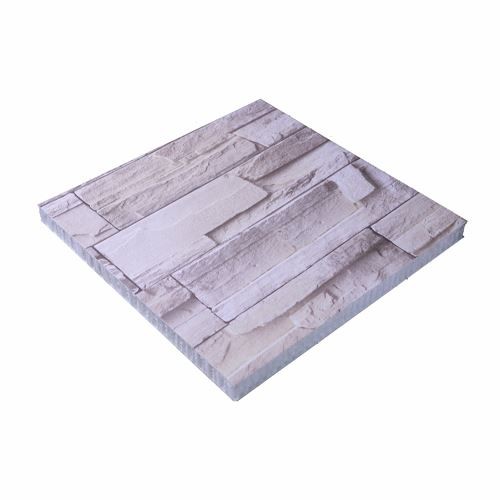
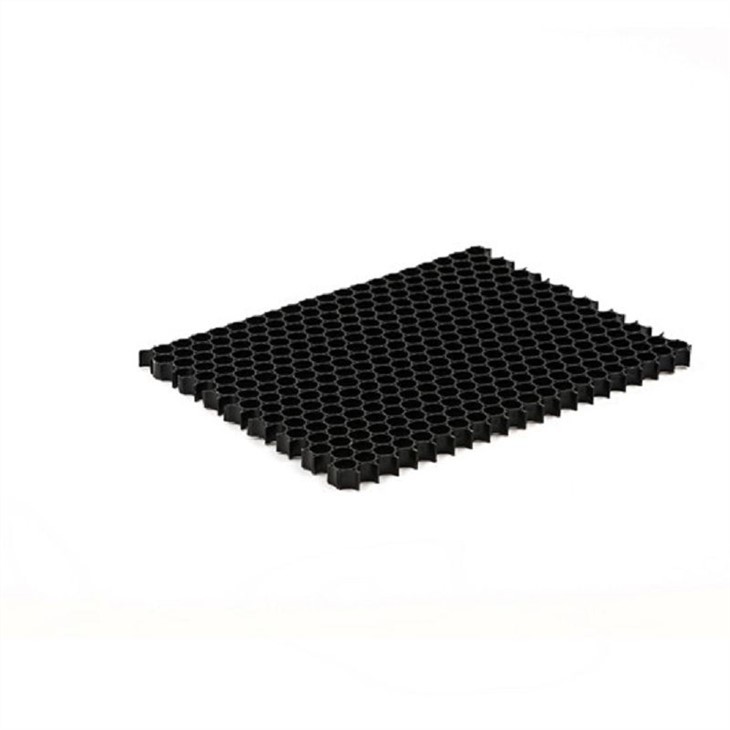
PP Honeycomb Panels are known for their unique structure and properties. The honeycomb design, which consists of a series of hexagonal cells, provides excellent strength - to - weight ratio. This structure distributes loads evenly across the panel, allowing it to withstand significant forces without excessive weight. Polypropylene, the material used to make these panels, is a thermoplastic polymer that offers several advantages.
It has good chemical resistance, which means it can resist corrosion from various chemicals commonly found in the aviation environment, such as fuels, lubricants, and cleaning agents. PP is also relatively easy to process, which allows for the production of panels in different shapes and sizes to meet specific design requirements. Additionally, it has a relatively low coefficient of thermal expansion, which means it can maintain its shape and dimensions under different temperature conditions.
Lightweight Advantage
One of the most critical requirements in the aviation industry is weight reduction. Every kilogram of weight saved can lead to significant fuel savings over the lifetime of an aircraft. PP Honeycomb Panels are extremely lightweight compared to traditional materials like metals. For example, aluminum, a commonly used material in aviation, has a much higher density than PP. The low density of PP Honeycomb Panels allows for the construction of lighter aircraft components, which in turn can improve fuel efficiency and increase payload capacity.
In interior applications, such as cabin partitions, overhead bins, and galley structures, the use of PP Honeycomb Panels can reduce the overall weight of the aircraft interior. This not only helps in fuel savings but also allows for more flexible design options. Airlines can use the weight savings to add more passenger amenities or increase the number of seats without sacrificing performance.
Strength and Durability
Despite their lightweight nature, PP Honeycomb Panels offer remarkable strength. The honeycomb structure provides excellent stiffness and resistance to bending and compression. In structural applications, such as wing ribs or fuselage components, the panels need to withstand high aerodynamic forces during flight. The unique design of the honeycomb core distributes these forces evenly, preventing local stress concentrations that could lead to failure.
Moreover, PP Honeycomb Panels have good impact resistance. They can absorb energy during an impact, reducing the risk of damage to the aircraft structure. This is particularly important in applications where the panels may be exposed to foreign object impacts, such as on the leading edges of wings or the nose cone.
Fire Resistance
Fire safety is a top priority in the aviation industry. Aircraft materials must meet strict fire - resistance standards to ensure the safety of passengers and crew. While polypropylene is a flammable material, it can be treated with fire - retardant additives to improve its fire - resistance properties.
Many modern PP Honeycomb Panels are manufactured with fire - retardant formulations that meet the stringent requirements of the aviation industry. These panels can self - extinguish within a specified time after the ignition source is removed, reducing the spread of fire and smoke in the event of an emergency.
Compatibility with Other Materials
In the aviation industry, components are often made by combining different materials. PP Honeycomb Panels can be easily bonded to other materials, such as fiberglass, carbon fiber, or metal skins. This allows for the creation of hybrid structures that combine the best properties of each material.
For example, a PP Honeycomb Panel can be used as a core material, with carbon fiber skins bonded to both sides. The carbon fiber provides high strength and stiffness, while the PP Honeycomb core adds lightweight and energy - absorbing properties. This combination results in a high - performance composite structure that is ideal for aviation applications.
Cost - Effectiveness
Cost is always a consideration in the aviation industry. PP Honeycomb Panels offer a cost - effective alternative to traditional materials. The raw material cost of polypropylene is relatively low compared to metals and some high - performance composites. Additionally, the manufacturing process of PP Honeycomb Panels is relatively simple and can be automated, which reduces labor costs.
In the long run, the fuel savings achieved through weight reduction can offset the initial cost of using PP Honeycomb Panels. Airlines and aircraft manufacturers are constantly looking for ways to reduce operating costs, and the use of cost - effective materials like PP Honeycomb Panels can contribute to this goal.
Applications in Aviation
There are several potential applications for PP Honeycomb Panels in the aviation industry. As mentioned earlier, interior applications are a prime area. Cabin partitions made from PP Honeycomb Panels can provide a lightweight and aesthetically pleasing solution. They can be easily customized with different finishes and colors to match the airline's interior design.
Overhead bins can also benefit from the use of PP Honeycomb Panels. The lightweight nature of the panels makes it easier for passengers to open and close the bins, while the strength of the honeycomb structure ensures that they can hold the required amount of luggage.
In exterior applications, PP Honeycomb Panels can be used in secondary structures such as fairings and access panels. These panels can provide aerodynamic benefits while reducing weight. For more information on the types of honeycomb panels suitable for various applications, you can visit Thermoplastic Honeycomb Core and Honeycomb - building - panels.
Challenges and Limitations
While PP Honeycomb Panels offer many advantages, there are also some challenges and limitations to their use in the aviation industry. One of the main challenges is the long - term durability under extreme environmental conditions. Although PP has good chemical and thermal resistance, prolonged exposure to high temperatures, UV radiation, and humidity can degrade the material over time.
Another limitation is the relatively low modulus of elasticity compared to some metals and high - performance composites. In applications where high stiffness is required, additional reinforcement may be needed.
Conclusion
In conclusion, PP Honeycomb Panels have significant potential for use in the aviation industry. Their lightweight nature, combined with good strength, durability, and cost - effectiveness, makes them an attractive option for various aircraft components. While there are some challenges and limitations that need to be addressed, ongoing research and development efforts are likely to overcome these issues.
As a supplier of PP Honeycomb Panels, I am confident that our products can meet the strict requirements of the aviation industry. We are committed to continuous improvement and innovation to ensure that our panels offer the best performance and quality.
If you are an aircraft manufacturer, airline, or aviation component supplier interested in exploring the use of PP Honeycomb Panels in your projects, I encourage you to contact us for more information and to discuss potential procurement opportunities. We can provide samples, technical specifications, and support to help you make an informed decision.
References
- "Advanced Materials in Aviation" - A comprehensive study on the latest materials used in the aviation industry.
- "Polymer Composites for Aerospace Applications" - Research on the use of polymer - based materials in aerospace structures.
- Industry reports on lightweight materials and their impact on aviation performance.