

As a supplier of Non Slip Honeycomb Panels, I am often asked about the insulation properties of these remarkable products. In this blog post, I will delve into the science behind the insulation capabilities of non slip honeycomb panels, exploring how they work and why they are an excellent choice for a variety of applications.
Understanding Insulation
Before we discuss the insulation properties of non slip honeycomb panels, it's important to understand what insulation is and how it works. Insulation is a material or combination of materials that reduces the transfer of heat, sound, or electricity. In the context of building materials, thermal insulation is particularly important as it helps to maintain a comfortable indoor temperature, reduces energy consumption, and lowers heating and cooling costs.
Thermal insulation works by creating a barrier that slows down the movement of heat. Heat can be transferred through three main mechanisms: conduction, convection, and radiation. Conduction is the transfer of heat through direct contact between materials, convection is the transfer of heat through the movement of fluids (such as air or water), and radiation is the transfer of heat through electromagnetic waves.
The Structure of Non Slip Honeycomb Panels
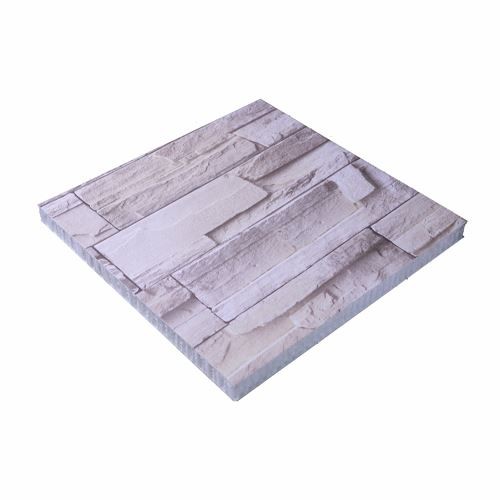
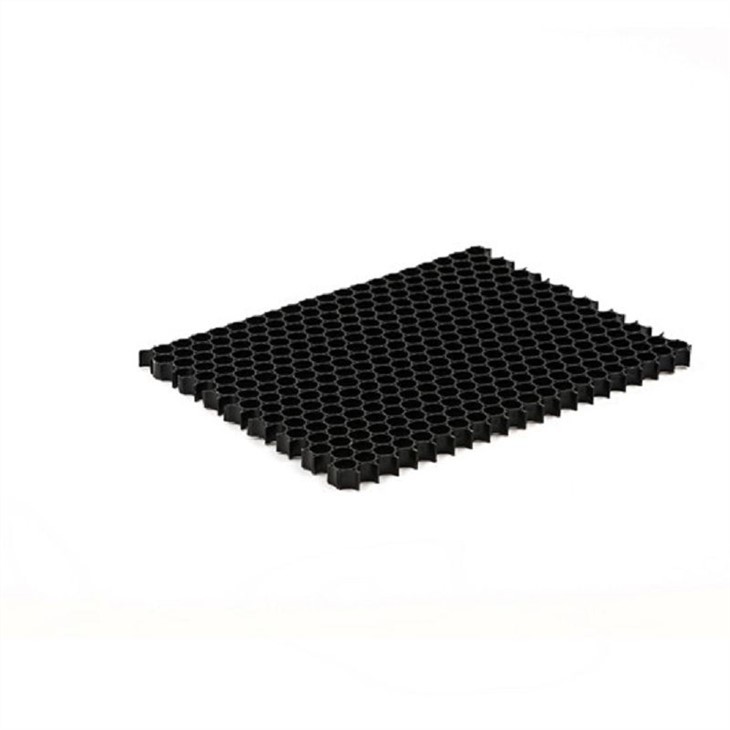
Non slip honeycomb panels are made up of a honeycomb core sandwiched between two outer layers. The honeycomb core is typically made of a lightweight material such as paper, aluminum, or thermoplastic, while the outer layers can be made of a variety of materials including metal, plastic, wood, or composite materials.
The honeycomb structure of these panels is what gives them their unique properties. The hexagonal cells of the honeycomb core create a series of small, enclosed spaces that trap air. Air is a poor conductor of heat, which means that it slows down the transfer of heat through the panel. This trapped air acts as an insulating layer, reducing the amount of heat that can pass through the panel.
Insulation Properties of Non Slip Honeycomb Panels
The insulation properties of non slip honeycomb panels depend on several factors, including the material of the honeycomb core, the thickness of the panel, and the density of the honeycomb structure. Generally, panels with a thicker honeycomb core and a higher density of cells will have better insulation properties.
One of the key advantages of non slip honeycomb panels is their high strength-to-weight ratio. The honeycomb structure provides excellent structural support while remaining lightweight, which makes these panels ideal for applications where weight is a concern. This lightweight nature also means that less energy is required to transport and install the panels, further reducing their environmental impact.
In addition to their thermal insulation properties, non slip honeycomb panels also offer good acoustic insulation. The trapped air in the honeycomb cells helps to absorb sound waves, reducing noise transmission through the panel. This makes them a popular choice for applications such as walls, floors, and ceilings in buildings where noise reduction is important.
Applications of Non Slip Honeycomb Panels
Non slip honeycomb panels have a wide range of applications in various industries. In the construction industry, they are used for building facades, partitions, roofing, and flooring. Their insulation properties help to improve the energy efficiency of buildings, while their non slip surface provides a safe and stable walking surface.
In the transportation industry, non slip honeycomb panels are used in the interiors of vehicles such as buses, trains, and airplanes. Their lightweight nature helps to reduce the weight of the vehicle, improving fuel efficiency and reducing emissions. Their insulation properties also help to create a comfortable environment for passengers by reducing heat and noise transfer.
In the furniture industry, non slip honeycomb panels are used for making cabinets, tables, and chairs. Their high strength and insulation properties make them a durable and practical choice for furniture construction.
Choosing the Right Non Slip Honeycomb Panel
When choosing a non slip honeycomb panel for your application, it's important to consider several factors. First, you need to determine the required insulation properties based on your specific needs. If you are looking for a panel with high thermal insulation, you may want to choose a panel with a thicker honeycomb core and a higher density of cells.
Second, you need to consider the material of the panel. Different materials have different properties, so you need to choose a material that is suitable for your application. For example, if you are using the panel in a wet or humid environment, you may want to choose a panel made of a waterproof material.
Finally, you need to consider the non slip properties of the panel. The non slip surface should provide adequate traction to prevent slips and falls, especially in areas where there is a risk of water or other liquids being present.
Conclusion
Non slip honeycomb panels offer excellent insulation properties, making them a versatile and practical choice for a variety of applications. Their unique honeycomb structure provides a combination of strength, lightweight, and insulation, making them ideal for use in construction, transportation, furniture, and other industries.
If you are interested in learning more about our non slip honeycomb panels or would like to discuss your specific requirements, please feel free to [initiate a contact for procurement discussion]. We are a leading supplier of non slip honeycomb panels and can provide you with high-quality products and professional advice.
References
- "Honeycomb Building Panels" - Honeycomb-building-panels
- "Thermoplastic Honeycomb Core" - Thermoplastic Honeycomb Core