

Hey there! As a supplier of PET honeycomb panels, I often get asked about the impact resistance of these amazing products. So, I thought I'd take a deep dive into this topic and share some insights with you all.
What Exactly is a PET Honeycomb Panel?
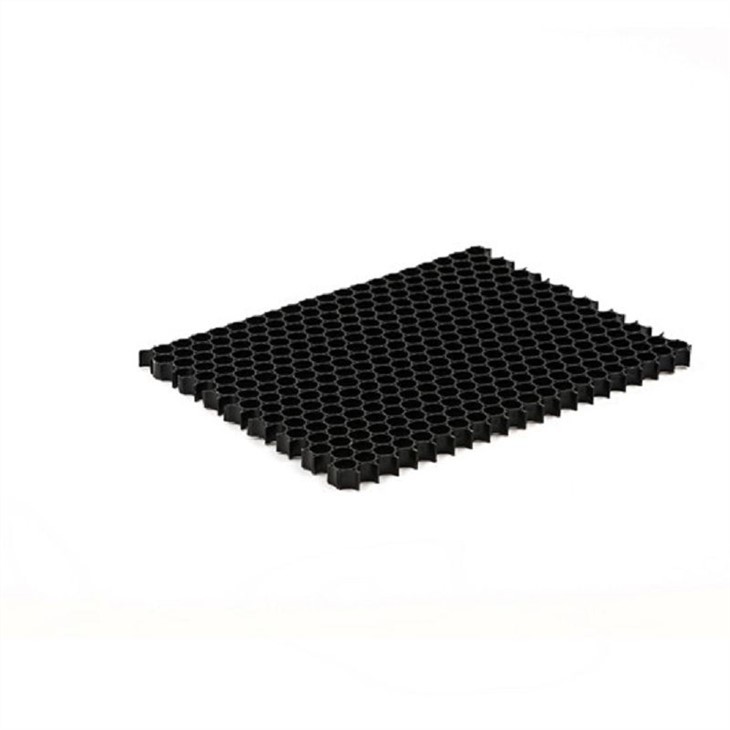
Before we jump into the impact resistance part, let's quickly go over what a PET honeycomb panel is. PET stands for polyethylene terephthalate, which is a type of thermoplastic polymer. These panels are made by creating a honeycomb - like structure with PET material. The honeycomb design is super smart because it provides a high strength - to - weight ratio.
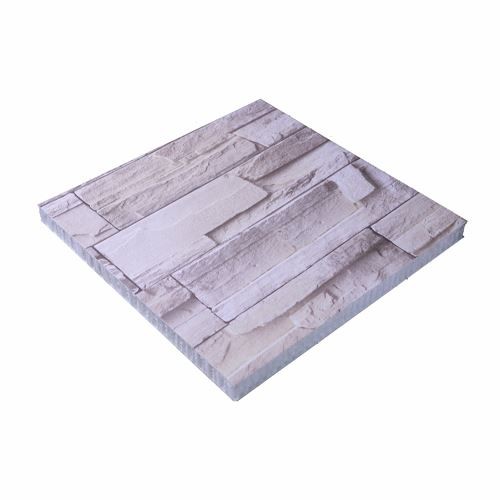
The core of the panel is in a honeycomb shape, and it's usually sandwiched between two facesheets. These facesheets can be made from various materials like aluminum, fiberglass, or even another layer of PET. This combination results in a panel that's lightweight yet sturdy, and it has a wide range of applications, from aerospace to construction. You can check out more about these panels at Honeycomb - building - panels.
Understanding Impact Resistance
Impact resistance refers to a material's ability to withstand sudden forces or blows without getting damaged. When an object hits a PET honeycomb panel, the panel needs to absorb and distribute that energy to prevent cracking, breaking, or permanent deformation.
There are different types of impacts that a panel might face. For example, there's low - velocity impact, like when a tool accidentally drops on the panel. Then there's high - velocity impact, which could be something like a small projectile hitting the panel at high speed. Each type of impact tests the panel's resistance in different ways.
Factors Affecting the Impact Resistance of PET Honeycomb Panels
1. Honeycomb Structure
The design of the honeycomb structure plays a huge role. The cell size, wall thickness, and the overall geometry of the honeycomb cells determine how well the panel can absorb energy. Smaller cell sizes generally provide better impact resistance because they can distribute the force more evenly across the panel. A thicker cell wall also means more material to absorb the impact energy, which enhances the panel's ability to withstand blows.
2. Facesheet Material
The facesheets on either side of the honeycomb core are crucial. If the facesheet is made of a strong and flexible material, it can help to contain the impact and prevent the core from being damaged. For instance, an aluminum facesheet can add a layer of protection and also contribute to the overall stiffness of the panel. Fiberglass facesheets, on the other hand, are known for their high strength - to - weight ratio and can also enhance the panel's impact resistance.
3. Density of the Panel
The density of the PET honeycomb panel affects its impact resistance. A higher - density panel usually has more material, which means more capacity to absorb energy. However, it's a balance because increasing the density also adds weight to the panel. So, manufacturers need to find the right density that offers good impact resistance without making the panel too heavy for its intended application.
4. Bonding between Core and Facesheet
The quality of the bond between the honeycomb core and the facesheets is essential. If the bond is weak, the facesheet might delaminate from the core during an impact, reducing the panel's effectiveness. A strong bond ensures that the entire panel acts as a single unit when it's hit, allowing for better energy absorption and distribution.
Testing the Impact Resistance of PET Honeycomb Panels
To determine the impact resistance of PET honeycomb panels, various tests are conducted. One common test is the drop - weight test. In this test, a weighted object is dropped from a certain height onto the panel. The height and weight of the object can be adjusted to simulate different types of impacts.
Another test is the Charpy impact test. This involves striking a notched sample of the panel with a pendulum. The energy absorbed by the sample during the impact is measured, which gives an indication of the panel's toughness and impact resistance.
These tests help manufacturers understand how their panels will perform in real - world situations and make improvements to the design if needed. You can learn more about the technical aspects of these panels at Thermoplastic Honeycomb Core.
Real - World Applications and Impact Resistance
Aerospace
In the aerospace industry, weight is a critical factor. PET honeycomb panels are used in aircraft interiors, such as cabin partitions and overhead bins. These panels need to have good impact resistance to withstand the normal wear and tear during flight, like passengers accidentally bumping into them. At the same time, their lightweight nature helps to reduce the overall weight of the aircraft, which saves fuel.
Construction
In construction, PET honeycomb panels can be used for wall cladding, roofing, and even flooring. They need to be able to withstand impacts from tools, falling debris, or even extreme weather conditions. For example, in an area prone to hailstorms, the panels need to resist the impact of hailstones without getting damaged.
Transportation
In the automotive and railway industries, PET honeycomb panels are used for interior components and sometimes for exterior body parts. They need to withstand impacts from minor collisions, road debris, and vibrations during travel.
Advantages of High Impact Resistance in PET Honeycomb Panels
Durability
Panels with high impact resistance last longer. They can withstand the rigors of daily use without showing signs of wear and tear. This means less frequent replacement, which saves money in the long run.
Safety
In applications where safety is a concern, like in transportation or construction, high - impact - resistant panels provide an extra layer of protection. They can prevent injuries by reducing the risk of panel failure during an impact.
Cost - Effectiveness
Although PET honeycomb panels might seem more expensive upfront compared to some other materials, their long - term cost - effectiveness is undeniable. Because they last longer and require less maintenance, they end up being a more economical choice.
How Our PET Honeycomb Panels Stack Up
As a supplier, we take great pride in the quality of our PET honeycomb panels. Our panels are designed with the latest technology to ensure optimal impact resistance. We carefully select the honeycomb structure and facesheet materials to meet the specific needs of different applications.
We conduct rigorous testing on our panels to make sure they meet or exceed industry standards. Whether it's low - velocity or high - velocity impact, our panels are built to perform.
Conclusion
The impact resistance of PET honeycomb panels is a complex but important characteristic. It's influenced by many factors, from the honeycomb structure to the facesheet material. These panels offer excellent impact resistance, which makes them suitable for a wide range of applications in aerospace, construction, and transportation.
If you're in the market for high - quality PET honeycomb panels with great impact resistance, we'd love to have a chat with you. Whether you're a contractor, an engineer, or just someone looking for a reliable panel for a project, we can provide you with the right solution. Reach out to us to start a conversation about your specific requirements and how our PET honeycomb panels can meet them.
References
- ASTM International standards on impact testing of composite materials.
- Research papers on the mechanical properties of PET honeycomb structures.
- Industry reports on the use of PET honeycomb panels in various sectors.