

Yo! I'm a supplier of PET honeycomb panels, and I often get asked if these panels can be used in marine applications. Well, let's dig into this topic and find out.
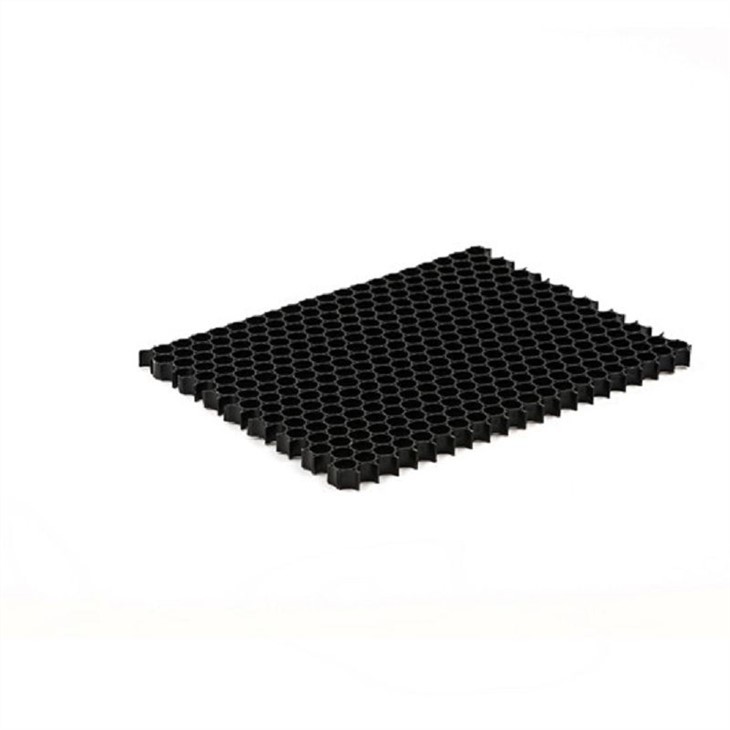
First off, let's talk about what PET honeycomb panels are. PET stands for polyethylene terephthalate, which is a thermoplastic polymer resin. These honeycomb panels are made by creating a honeycomb - like structure with PET material, and they're known for being lightweight, strong, and having good insulation properties.
Advantages of Using PET Honeycomb Panels in Marine Applications
Lightweight
In the marine world, weight is a big deal. The lighter the materials used on a boat or other marine vessel, the better its fuel efficiency and speed. PET honeycomb panels are super lightweight compared to many traditional marine materials. For example, a wooden panel of the same size can be significantly heavier. This weight reduction can lead to savings in fuel costs over time, especially for larger boats that need to cover long distances.
Strength
Despite their light weight, PET honeycomb panels are surprisingly strong. They have a high strength - to - weight ratio, which means they can withstand a fair amount of stress and pressure. In a marine environment, boats are constantly exposed to waves, wind, and the force of the water. The honeycomb structure of these panels distributes the load evenly, making them able to handle these forces without easily breaking or deforming.
Insulation
Insulation is crucial in marine applications. It helps to keep the interior of the boat at a comfortable temperature, whether it's hot outside or cold. PET honeycomb panels have good thermal insulation properties. They can reduce the transfer of heat between the inside and outside of the boat, which means less energy is needed for heating or cooling systems. This not only makes the boat more comfortable for passengers but also saves on energy costs.
Corrosion Resistance
One of the biggest challenges in the marine environment is corrosion. Saltwater is extremely corrosive, and many traditional materials like metal can rust and deteriorate quickly. PET honeycomb panels are highly resistant to corrosion. They don't react with saltwater or other chemicals commonly found in the marine environment, so they can last a long time without showing signs of rust or decay.
Challenges and Considerations
UV Resistance
While PET honeycomb panels have many advantages, they do have some limitations. One of the main concerns is their UV resistance. The sun's ultraviolet rays can cause the panels to degrade over time, especially if they're constantly exposed. This can lead to a loss of strength and a change in appearance. However, there are ways to mitigate this issue. Some manufacturers apply a UV - resistant coating to the panels to protect them from the sun's rays.
Bonding and Installation
Proper bonding and installation are crucial for the performance of PET honeycomb panels in marine applications. If the panels are not installed correctly, they may not be able to withstand the forces they're exposed to. The bonding agents used need to be suitable for the marine environment and able to hold up against water, salt, and temperature changes. It's important to follow the manufacturer's guidelines for installation to ensure the panels work as intended.
Real - World Applications
Interior Panels
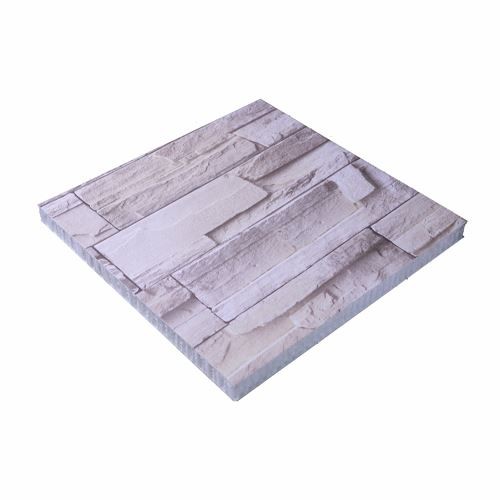
PET honeycomb panels are commonly used for interior panels in boats. They can be used to create cabins, partitions, and even furniture. Their lightweight nature makes them easy to install, and their insulation properties help to create a comfortable living space on board. For example, you can use Honeycomb - building - panels to line the walls of a cabin, giving it a modern and sleek look while also providing insulation.
Decking
In some cases, PET honeycomb panels can also be used for decking. They can provide a stable and lightweight surface for walking on. However, the decking needs to be designed to handle the weight of people, equipment, and the wear and tear of daily use. The panels need to be properly secured and may require a protective coating to prevent slipping.
Structural Components
For smaller boats or parts of larger boats, PET honeycomb panels can be used as structural components. Their high strength - to - weight ratio makes them suitable for applications where weight is a concern but strength is still required. For instance, they can be used in the construction of bulkheads or small support structures. Thermoplastic Honeycomb Core can be a great option for these types of structural applications.
Conclusion
So, can PET honeycomb panels be used in marine applications? The answer is yes! They offer many advantages such as lightweight, strength, insulation, and corrosion resistance. However, there are also some challenges like UV resistance and proper installation that need to be addressed. With the right precautions and proper use, PET honeycomb panels can be a great choice for a variety of marine applications.
If you're in the market for high - quality PET honeycomb panels for your marine project, don't hesitate to reach out. I'm here to provide you with the best products and advice to ensure your project is a success. Let's have a chat and see how we can work together to meet your needs.
References
- "Plastics in Marine Applications" - Marine Technology Journal
- Manufacturer's guides on PET honeycomb panels