

What is the Weight of Honeycomb Building Panels?
As a supplier of Honeycomb Building Panels, I often encounter questions from customers regarding the weight of these innovative construction materials. Understanding the weight of honeycomb building panels is crucial for various reasons, including structural design, transportation, and installation. In this blog post, I will delve into the factors that influence the weight of honeycomb building panels and why it matters in the construction industry.
Factors Affecting the Weight of Honeycomb Building Panels
The weight of honeycomb building panels is primarily determined by several key factors, including the core material, face sheets, panel size, and thickness. Let's take a closer look at each of these factors:
-
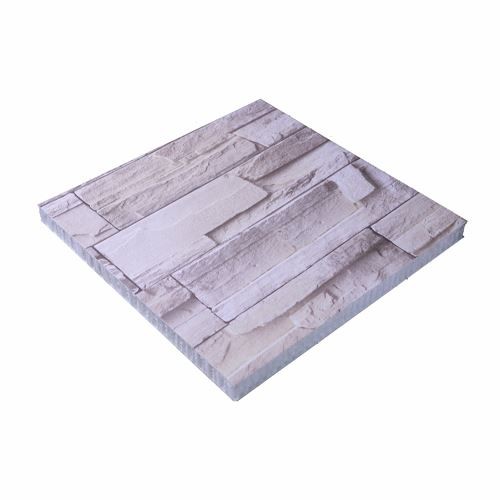
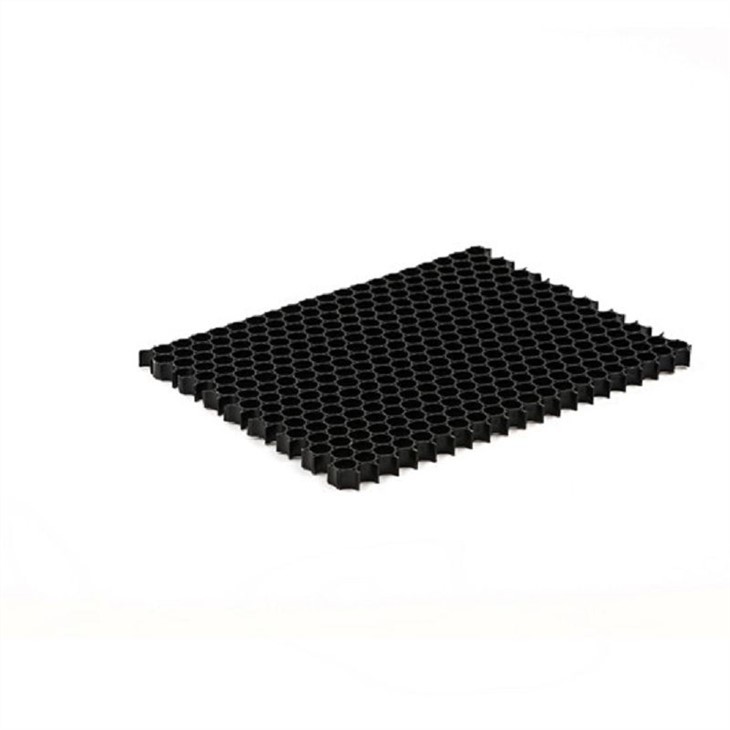
Core Material: The core of a honeycomb building panel is the central structure that provides strength and stability. The most common core materials used in honeycomb panels are aluminum, paper, and Thermoplastic Honeycomb Core. Each core material has its own unique properties, including density, which directly affects the weight of the panel. For example, aluminum honeycomb cores are lightweight and have a high strength-to-weight ratio, making them ideal for applications where weight is a critical factor. On the other hand, paper honeycomb cores are heavier but offer excellent insulation properties.
-
Face Sheets: The face sheets of a honeycomb building panel are the outer layers that provide a smooth surface for finishing and protection. The material and thickness of the face sheets can significantly impact the weight of the panel. Common face sheet materials include aluminum, steel, wood, and composite materials. Thicker face sheets will generally result in a heavier panel, while thinner face sheets can help reduce weight without sacrificing strength.
-
Panel Size and Thickness: The size and thickness of a honeycomb building panel also play a role in determining its weight. Larger panels will naturally weigh more than smaller panels, while thicker panels will be heavier than thinner ones. When designing a building project, it is important to consider the optimal panel size and thickness to balance weight, strength, and cost.
Importance of Weight in Construction
The weight of honeycomb building panels is a critical consideration in the construction industry for several reasons:
-
Structural Design: The weight of the panels affects the structural design of the building. Engineers need to ensure that the building's foundation, columns, and beams can support the weight of the panels without compromising the overall stability of the structure. By using lightweight honeycomb building panels, architects and engineers can reduce the load on the building's structure, allowing for more flexible design options and potentially lower construction costs.
-
Transportation: The weight of the panels also impacts transportation costs and logistics. Heavier panels require more fuel and larger vehicles for transportation, which can increase costs and environmental impact. Lightweight honeycomb building panels are easier to transport, reducing the carbon footprint of the construction project and making it more cost-effective.
-
Installation: The weight of the panels can affect the ease and efficiency of installation. Heavy panels may require specialized equipment and additional labor to install, increasing the time and cost of the construction process. Lightweight honeycomb building panels are easier to handle and install, reducing the risk of injuries and improving productivity on the job site.
Benefits of Lightweight Honeycomb Building Panels
Lightweight honeycomb building panels offer several benefits over traditional construction materials:
-
Energy Efficiency: Lightweight honeycomb building panels have excellent insulation properties, which can help reduce energy consumption and lower heating and cooling costs. By keeping the building's interior temperature stable, these panels can also improve the comfort of the occupants.
-
Durability: Despite their lightweight, honeycomb building panels are highly durable and resistant to damage. They can withstand extreme weather conditions, seismic activity, and fire, making them a reliable choice for a wide range of construction applications.
-
Design Flexibility: Lightweight honeycomb building panels can be easily customized to meet the specific design requirements of a project. They can be cut, shaped, and finished to create unique and aesthetically pleasing building facades, partitions, and interior elements.
Conclusion
In conclusion, the weight of honeycomb building panels is an important consideration in the construction industry. By understanding the factors that influence the weight of these panels and the benefits of using lightweight materials, architects, engineers, and contractors can make informed decisions when selecting the right panels for their projects. As a supplier of Honeycomb-building-panels, I am committed to providing high-quality, lightweight honeycomb building panels that meet the needs of our customers. If you are interested in learning more about our products or discussing your specific project requirements, please do not hesitate to contact us. We look forward to working with you to create innovative and sustainable building solutions.
References
- "Honeycomb Core Materials: Properties and Applications." Composites World, [publication date].
- "Lightweight Construction Materials: A Review." Journal of Building Engineering, [publication date].
- "The Role of Honeycomb Panels in Sustainable Construction." Sustainable Cities and Society, [publication date].