

As a supplier of honeycomb composite boards, I often get asked whether these innovative materials can be used for wall panels. In this blog post, I'll delve into the properties of honeycomb composite boards, explore their suitability for wall applications, and highlight some of the key benefits they offer.
Understanding Honeycomb Composite Boards
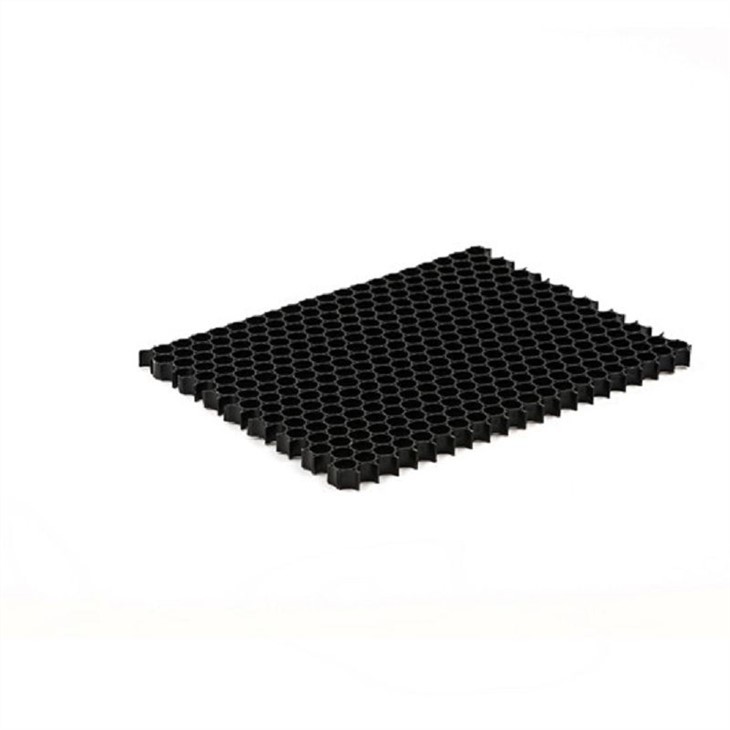
Honeycomb composite boards are engineered materials that consist of a honeycomb core sandwiched between two face sheets. The honeycomb core is typically made from materials such as paper, aluminum, or thermoplastic, while the face sheets can be made from a variety of materials, including wood, metal, plastic, or fiberglass. This unique structure gives honeycomb composite boards several advantageous properties, including high strength-to-weight ratio, excellent stiffness, and good insulation properties.
High Strength-to-Weight Ratio
One of the most significant advantages of honeycomb composite boards is their high strength-to-weight ratio. The honeycomb structure distributes loads evenly across the board, allowing it to withstand significant forces without adding excessive weight. This makes honeycomb composite boards ideal for applications where weight is a concern, such as in the aerospace and automotive industries. In the context of wall panels, this property means that honeycomb composite boards can provide structural support without adding unnecessary bulk to the building.
Excellent Stiffness
In addition to their high strength-to-weight ratio, honeycomb composite boards also offer excellent stiffness. The honeycomb core acts as a rigid framework, providing stability and preventing the board from bending or warping under load. This stiffness is particularly important for wall panels, as it ensures that the walls remain straight and plumb over time. It also helps to reduce vibrations and noise transmission, creating a more comfortable and peaceful indoor environment.
Good Insulation Properties
Honeycomb composite boards can also provide good insulation properties, depending on the materials used in the core and face sheets. For example, boards with a paper or plastic honeycomb core can offer thermal insulation, helping to reduce heat transfer through the walls and lower energy costs. Additionally, the air pockets within the honeycomb structure can act as a sound barrier, reducing noise transmission from the outside.
Suitability for Wall Panels
Based on their properties, honeycomb composite boards are well-suited for use as wall panels in a variety of applications. Here are some of the key factors that make them a viable option:
Versatility
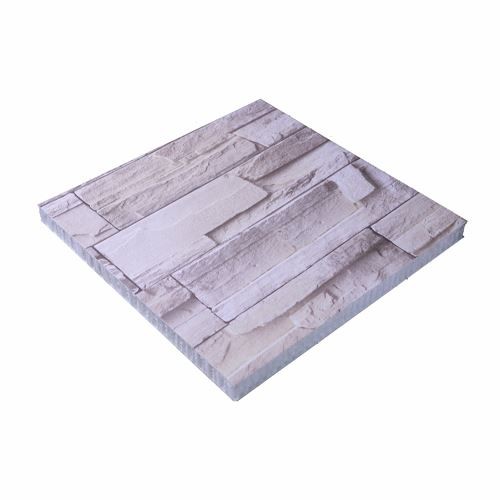
Honeycomb composite boards are available in a wide range of sizes, shapes, and materials, making them highly versatile. They can be customized to meet the specific requirements of any project, whether it's a residential home, commercial building, or industrial facility. The face sheets can be finished with a variety of coatings or laminates to achieve the desired aesthetic, from a smooth and modern look to a more rustic or textured appearance.
Ease of Installation
Compared to traditional wall materials such as brick, concrete, or drywall, honeycomb composite boards are relatively easy to install. They are lightweight and can be cut, drilled, and shaped using standard woodworking tools. This makes them a popular choice for DIY enthusiasts and professional contractors alike. Additionally, the panels can be installed quickly, reducing construction time and labor costs.
Durability
Honeycomb composite boards are designed to be durable and long-lasting. The materials used in their construction are resistant to moisture, rot, and pests, ensuring that the wall panels will maintain their integrity over time. They are also less prone to cracking or warping than traditional wall materials, which can help to reduce maintenance costs and extend the lifespan of the building.
Cost-Effectiveness
While the initial cost of honeycomb composite boards may be higher than some traditional wall materials, they can offer significant cost savings in the long run. Their lightweight nature reduces transportation costs, and their ease of installation can save on labor expenses. Additionally, their insulation properties can help to lower energy bills, offsetting the initial investment over time.
Applications of Honeycomb Composite Boards in Wall Panels
Honeycomb composite boards can be used in a variety of wall panel applications, including:
Interior Wall Panels
In residential and commercial buildings, honeycomb composite boards can be used as interior wall panels to create a modern and stylish look. They can be installed in living rooms, bedrooms, offices, and other spaces to add a touch of elegance and sophistication. The panels can also be used to create accent walls or partitions, adding visual interest and functionality to the space.
Exterior Wall Panels
Honeycomb composite boards can also be used as exterior wall panels in both new construction and renovation projects. Their durability and weather resistance make them suitable for use in a variety of climates, from hot and humid to cold and snowy. The panels can be finished with a variety of coatings or claddings to protect them from the elements and enhance their appearance.
Partition Walls
In commercial and industrial settings, honeycomb composite boards can be used to create partition walls that divide large spaces into smaller, more functional areas. The panels can be easily installed and reconfigured as needed, providing a flexible and cost-effective solution for changing workspace requirements.
Benefits of Using Honeycomb Composite Boards for Wall Panels
Here are some of the key benefits of using honeycomb composite boards for wall panels:
Energy Efficiency
As mentioned earlier, honeycomb composite boards can provide good insulation properties, helping to reduce heat transfer through the walls and lower energy costs. This can make a significant difference in the overall energy efficiency of a building, especially in regions with extreme temperatures.
Sound Insulation
The air pockets within the honeycomb structure can act as a sound barrier, reducing noise transmission from the outside. This is particularly beneficial in urban areas or near busy roads, where noise pollution can be a problem. By using honeycomb composite boards for wall panels, you can create a more peaceful and comfortable indoor environment.
Fire Resistance
Some honeycomb composite boards are available with fire-resistant properties, making them a safe choice for use in wall panels. These boards can help to prevent the spread of fire and smoke in the event of a fire, providing valuable time for evacuation and reducing the risk of property damage.
Environmental Sustainability
Honeycomb composite boards can be made from recycled materials, making them an environmentally sustainable choice for wall panels. Additionally, their lightweight nature reduces transportation emissions, and their energy-efficient properties can help to reduce the overall carbon footprint of a building.
Conclusion
In conclusion, honeycomb composite boards are a viable and attractive option for use as wall panels in a variety of applications. Their high strength-to-weight ratio, excellent stiffness, good insulation properties, and versatility make them well-suited for both interior and exterior wall applications. They offer numerous benefits, including energy efficiency, sound insulation, fire resistance, and environmental sustainability.
If you're considering using honeycomb composite boards for your next wall panel project, I encourage you to explore the options available and contact me for more information. I'm happy to discuss your specific requirements and help you find the best solution for your needs. Whether you're a homeowner, contractor, or architect, honeycomb composite boards can provide a cost-effective and high-performance alternative to traditional wall materials.
For more information about our honeycomb composite boards, including Honeycomb-building-panels and Thermoplastic Honeycomb Core, please don't hesitate to reach out. I look forward to working with you on your next project.
References
- "Composite Materials Handbook." ASTM International, 2019.
- "Honeycomb Structures: Design, Manufacturing, and Applications." John Wiley & Sons, 2015.
- "Building Envelope Design Guide." National Institute of Building Sciences, 2018.