

As a non slip honeycomb panel supplier, I often receive inquiries about the chemical composition of these innovative products. Non slip honeycomb panels are widely used in various industries due to their unique combination of strength, lightweight, and slip-resistant properties. In this blog post, I will delve into the chemical composition of non slip honeycomb panels, exploring the materials that make them so effective and reliable.
The Core Structure: Honeycomb Core
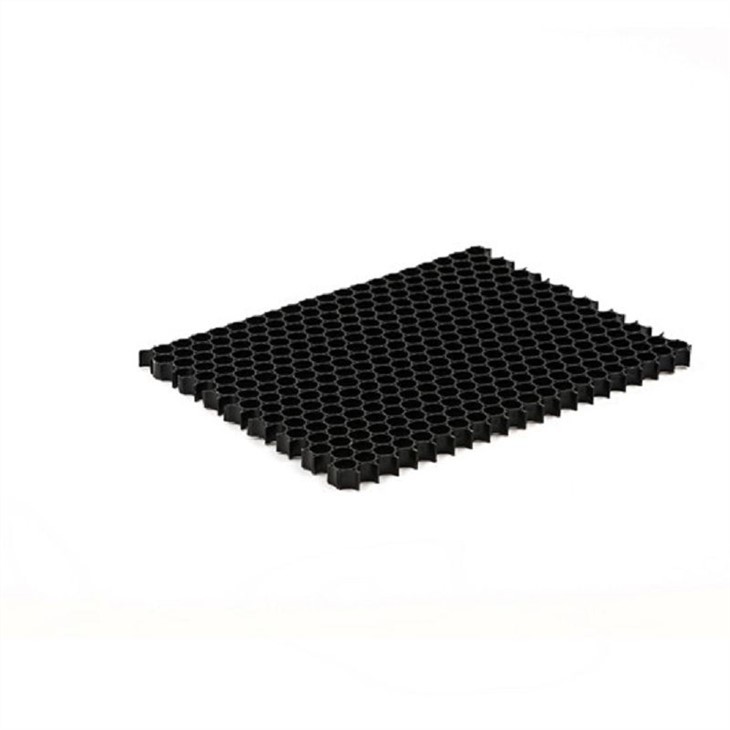
The honeycomb core is the central component of non slip honeycomb panels, providing the structural integrity and lightweight characteristics. The most common material used for the honeycomb core is polypropylene (PP), a thermoplastic polymer known for its excellent chemical resistance, mechanical properties, and low density. Thermoplastic Honeycomb Core made from polypropylene offers several advantages, including high strength-to-weight ratio, good impact resistance, and ease of processing.
Polypropylene is a semi-crystalline polymer composed of repeating propylene monomers. Its molecular structure consists of long chains of carbon atoms with methyl groups attached at regular intervals. This structure gives polypropylene its unique properties, such as high stiffness, low friction coefficient, and excellent chemical resistance. The honeycomb core is typically manufactured using a process called extrusion, where molten polypropylene is forced through a die to form a continuous sheet with a honeycomb pattern. The sheet is then cut into the desired size and shape to fit the specific application.
The Surface Layer: Non Slip Coating
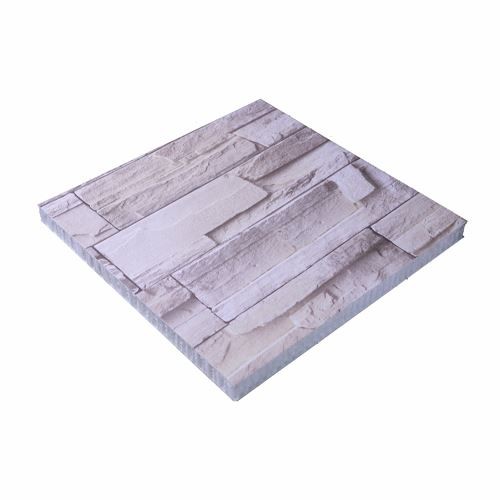
The non slip coating is the outer layer of non slip honeycomb panels, providing the slip-resistant surface that makes them ideal for use in areas where safety is a concern. The non slip coating is typically made from a combination of polymers and additives that enhance the friction coefficient of the surface. There are several types of non slip coatings available, each with its own unique properties and applications.
One common type of non slip coating is a polyurethane-based coating. Polyurethane is a versatile polymer that can be formulated to have a wide range of properties, including high abrasion resistance, good chemical resistance, and excellent adhesion. The polyurethane coating is typically applied to the surface of the honeycomb panel using a spraying or rolling process. The coating is then cured at a high temperature to form a hard, durable surface that provides excellent slip resistance.
Another type of non slip coating is a rubber-based coating. Rubber is a natural or synthetic polymer that has excellent elasticity and friction properties. The rubber coating is typically applied to the surface of the honeycomb panel using a dipping or brushing process. The coating is then cured at a low temperature to form a soft, flexible surface that provides excellent slip resistance. Rubber-based coatings are often used in applications where a high level of traction is required, such as in industrial flooring and marine decks.
The Adhesive Layer: Bonding the Layers Together
The adhesive layer is the layer that bonds the honeycomb core and the non slip coating together, ensuring the structural integrity and durability of the non slip honeycomb panel. The adhesive layer is typically made from a high-strength adhesive that can withstand the stresses and strains of the application. There are several types of adhesives available, each with its own unique properties and applications.
One common type of adhesive is an epoxy-based adhesive. Epoxy is a thermosetting polymer that has excellent adhesion, chemical resistance, and mechanical properties. The epoxy adhesive is typically applied to the surface of the honeycomb core and the non slip coating using a spraying or rolling process. The two layers are then pressed together and cured at a high temperature to form a strong, permanent bond.
Another type of adhesive is a polyurethane-based adhesive. Polyurethane adhesives have excellent flexibility and impact resistance, making them ideal for use in applications where the panel may be subjected to vibration or shock. The polyurethane adhesive is typically applied to the surface of the honeycomb core and the non slip coating using a spraying or rolling process. The two layers are then pressed together and cured at a low temperature to form a strong, flexible bond.
Other Additives and Fillers
In addition to the core structure, surface layer, and adhesive layer, non slip honeycomb panels may also contain other additives and fillers to enhance their performance and properties. These additives and fillers can include flame retardants, UV stabilizers, antioxidants, and colorants.
Flame retardants are additives that are used to reduce the flammability of the non slip honeycomb panel. Flame retardants can be either organic or inorganic compounds that work by inhibiting the combustion process. UV stabilizers are additives that are used to protect the non slip honeycomb panel from the damaging effects of ultraviolet radiation. UV stabilizers can be either organic or inorganic compounds that work by absorbing or reflecting the UV radiation.
Antioxidants are additives that are used to prevent the oxidation of the polymers in the non slip honeycomb panel. Oxidation can cause the polymers to degrade over time, leading to a loss of strength and durability. Antioxidants can be either organic or inorganic compounds that work by scavenging free radicals and preventing them from reacting with the polymers. Colorants are additives that are used to give the non slip honeycomb panel a specific color or appearance. Colorants can be either organic or inorganic compounds that work by absorbing or reflecting light.
Applications of Non Slip Honeycomb Panels
Non slip honeycomb panels are used in a wide range of applications due to their unique combination of strength, lightweight, and slip-resistant properties. Some common applications of non slip honeycomb panels include:
- Industrial Flooring: Non slip honeycomb panels are often used in industrial flooring applications where safety is a concern. The slip-resistant surface of the panels provides excellent traction, reducing the risk of slips and falls. The lightweight and high-strength properties of the panels make them easy to install and maintain.
- Marine Decks: Non slip honeycomb panels are also used in marine decks where the surface is constantly exposed to water and other harsh environmental conditions. The slip-resistant surface of the panels provides excellent traction, even when the surface is wet. The lightweight and high-strength properties of the panels make them ideal for use in marine applications where weight is a concern.
- Transportation: Non slip honeycomb panels are used in transportation applications such as buses, trains, and airplanes. The slip-resistant surface of the panels provides excellent traction, reducing the risk of slips and falls during transit. The lightweight and high-strength properties of the panels make them ideal for use in transportation applications where weight is a concern.
- Building Construction: Non slip honeycomb panels are used in building construction applications such as stairways, ramps, and walkways. The slip-resistant surface of the panels provides excellent traction, reducing the risk of slips and falls. The lightweight and high-strength properties of the panels make them easy to install and maintain.
Conclusion
Non slip honeycomb panels are innovative products that offer a unique combination of strength, lightweight, and slip-resistant properties. The chemical composition of non slip honeycomb panels consists of a honeycomb core, a non slip coating, an adhesive layer, and other additives and fillers. The honeycomb core is typically made from polypropylene, a thermoplastic polymer known for its excellent chemical resistance, mechanical properties, and low density. The non slip coating is typically made from a combination of polymers and additives that enhance the friction coefficient of the surface. The adhesive layer is typically made from a high-strength adhesive that bonds the honeycomb core and the non slip coating together. Other additives and fillers may be used to enhance the performance and properties of the non slip honeycomb panel.
If you are interested in learning more about non slip honeycomb panels or would like to discuss your specific application requirements, please feel free to contact us. We are a leading supplier of non slip honeycomb panels and can provide you with the highest quality products and services. Honeycomb-building-panels are just one of the many products we offer, and we are confident that we can find the right solution for your needs.
References
- "Polypropylene: Properties, Processing, and Applications." Handbook of Thermoplastics, edited by O. Olabisi, Marcel Dekker, 1997.
- "Polyurethane Coatings: Chemistry, Technology, and Applications." Polyurethane Coatings: Science and Technology, edited by K. C. Frisch and H. K. Schreiber, Hanser Publishers, 1990.
- "Epoxy Resins: Chemistry and Technology." Epoxy Resins: Chemistry and Technology, edited by C. A. May, Marcel Dekker, 1988.