

As a supplier of Honeycomb Building Panels, I've often been asked about the panels' resistance to chemical corrosion. This is a crucial question, especially considering the diverse environments in which these panels are used. In this blog, I'll delve into the science behind the chemical resistance of honeycomb building panels, share some real - world examples, and discuss the implications for potential buyers.
Understanding Honeycomb Building Panels
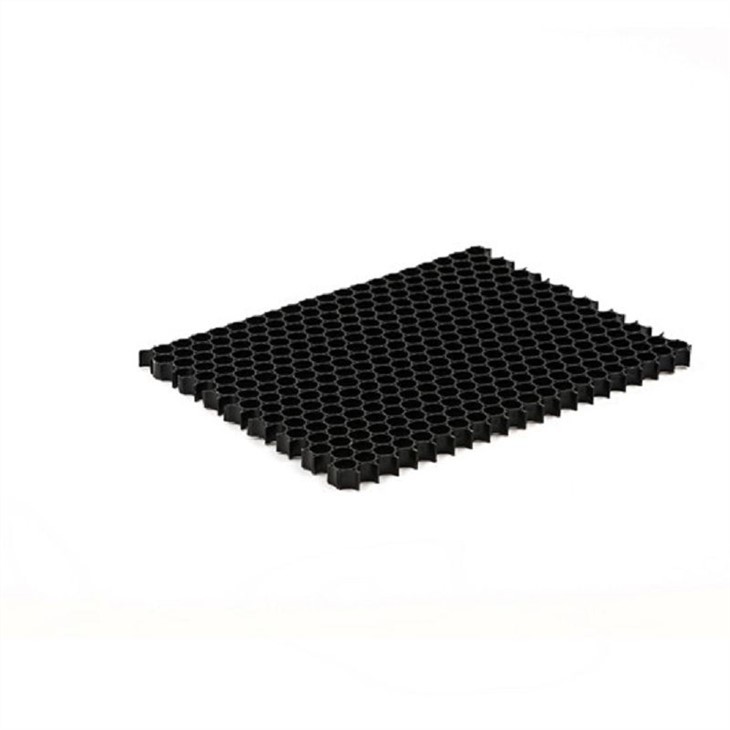
Honeycomb building panels are known for their unique structure. The core of these panels resembles a honeycomb, which provides excellent strength - to - weight ratio. This structure is often made of various materials, with thermoplastics being a popular choice. You can learn more about Thermoplastic Honeycomb Core.
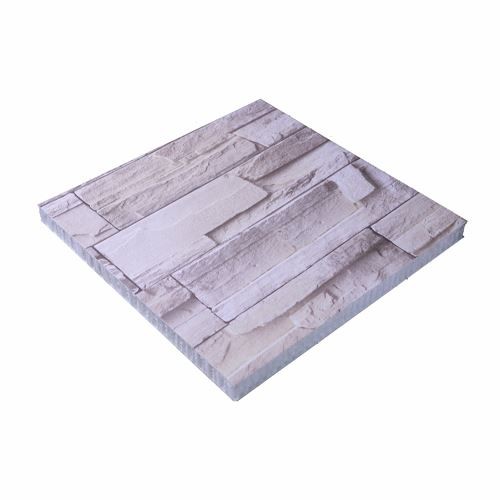
The outer layers of honeycomb building panels can be made from different materials as well, such as metals, plastics, or composites. The combination of the core and the outer layers gives the panels their distinctive properties. To explore more about these panels, visit Honeycomb - building - panels.
Chemical Resistance Mechanisms
The chemical resistance of honeycomb building panels depends on several factors. Firstly, the material of the core plays a significant role. Thermoplastic honeycomb cores, for example, have inherent chemical resistance due to the nature of thermoplastics. These polymers have strong molecular bonds that can withstand the attack of many chemicals.
When a chemical comes into contact with the panel, the outer layer acts as the first line of defense. If the outer layer is made of a chemically resistant material, it can prevent the chemical from reaching the core. For instance, a panel with a stainless - steel outer layer can resist corrosion from many acids and alkalis.
The honeycomb structure itself also contributes to chemical resistance. The hexagonal cells in the core act as barriers, preventing the spread of chemicals within the panel. If a chemical manages to penetrate the outer layer and reach the core, it is likely to be contained within a single cell, reducing the overall damage to the panel.
Types of Chemicals and Their Effects
Acids
Acids can have different levels of corrosive effects on honeycomb building panels. Weak acids, such as acetic acid (found in vinegar), usually have little impact on panels with a thermoplastic core or a resistant outer layer. However, strong acids like sulfuric acid or hydrochloric acid can be more challenging.
If a panel is exposed to strong acids for an extended period, the outer layer may start to degrade. If the acid penetrates the outer layer and reaches the core, it can potentially break down the molecular bonds in the thermoplastic, leading to a loss of strength and structural integrity.
Alkalis
Alkalis, or bases, also vary in their corrosive potential. Mild alkalis, like sodium bicarbonate solution, are generally not very corrosive to honeycomb building panels. On the other hand, strong alkalis such as sodium hydroxide can react with certain materials in the panel.
For example, if the outer layer is made of an aluminum alloy, strong alkalis can cause pitting corrosion. The aluminum reacts with the alkali to form aluminum hydroxide, which can flake off and expose the underlying material to further corrosion.
Organic Solvents
Organic solvents, such as acetone or toluene, can dissolve some types of plastics. If the honeycomb core or the outer layer is made of a solvent - soluble plastic, exposure to these solvents can lead to swelling, softening, or even complete dissolution of the material.
However, many thermoplastic honeycomb cores are designed to be resistant to common organic solvents. They have been formulated to have high chemical stability, which allows them to maintain their properties even when in contact with these solvents.
Real - World Applications and Case Studies
In the construction industry, honeycomb building panels are used in various applications where chemical resistance is important. For example, in industrial buildings where chemicals are stored or processed, these panels can be used for partitions, wall claddings, or storage units.
A case study from a chemical manufacturing plant showed that honeycomb building panels with a thermoplastic core and a fiberglass - reinforced outer layer were able to withstand the harsh chemical environment. The plant had regular spills of mild acids and alkalis, and the panels showed only minor surface damage after several years of use.
In the marine industry, honeycomb building panels are used for boat interiors. They are exposed to saltwater, which can be corrosive. Panels with a corrosion - resistant outer layer, such as a gel - coated fiberglass layer, have been shown to resist the effects of saltwater corrosion for long periods.
Testing and Certification
To ensure the chemical resistance of honeycomb building panels, manufacturers conduct various tests. These tests simulate real - world conditions and expose the panels to different chemicals for a specified period.
One common test is the immersion test, where a sample of the panel is immersed in a chemical solution for a set time. After the immersion, the panel is examined for changes in appearance, weight, and mechanical properties.
Certifications from recognized organizations can also provide assurance of a panel's chemical resistance. For example, panels that meet the standards of ASTM (American Society for Testing and Materials) or ISO (International Organization for Standardization) have been tested and verified to have a certain level of chemical resistance.
Considerations for Buyers
When purchasing honeycomb building panels for an application where chemical resistance is important, buyers should consider several factors.
Firstly, they need to identify the types of chemicals that the panel will be exposed to. This will help them choose the appropriate panel with the right combination of core and outer layer materials.
Buyers should also look for panels that have been tested and certified for chemical resistance. A panel with a valid certification can give them confidence in its performance.
It's also important to consider the long - term cost. While a panel with high chemical resistance may be more expensive upfront, it can save money in the long run by reducing the need for frequent replacements due to corrosion.
Conclusion
In conclusion, honeycomb building panels can be highly resistant to chemical corrosion, depending on the materials used in the core and the outer layer, as well as the honeycomb structure itself. The panels can withstand the attack of many common chemicals, but the level of resistance varies depending on the type and concentration of the chemical.
As a supplier of Honeycomb Building Panels, I'm committed to providing high - quality panels that meet the chemical resistance requirements of different applications. If you're interested in purchasing honeycomb building panels for your project, I encourage you to contact me for more information and to discuss your specific needs. Let's work together to find the best solution for your chemical - resistant building panel requirements.
References
- ASTM International. (20XX). Standard test methods for evaluating the chemical resistance of building materials.
- ISO. (20XX). International standards for chemical resistance of construction products.
- Polymer Science and Engineering Handbook. (20XX). John Wiley & Sons.