

In the dynamic world of construction and architecture, honeycomb building panels have emerged as a revolutionary solution, offering a unique blend of strength, lightweight design, and versatility. As a leading supplier of honeycomb building panels, I am excited to delve into the materials used in their manufacture, shedding light on the science and innovation behind these remarkable products.
The Core of the Matter: Honeycomb Cores
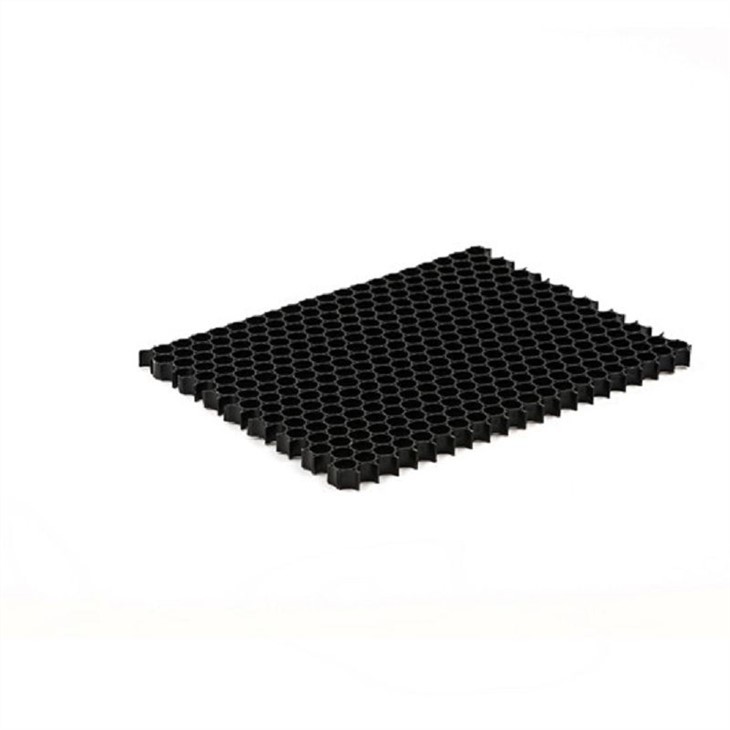
At the heart of every honeycomb building panel lies the honeycomb core, a structure inspired by the natural efficiency of beehives. This core is typically made from a variety of materials, each chosen for its specific properties and applications.
Thermoplastic Honeycomb Core
One of the most popular materials for honeycomb cores is thermoplastic. Thermoplastics are polymers that can be melted and reshaped multiple times, making them ideal for the manufacturing process. Thermoplastic Honeycomb Core offers several advantages, including high strength-to-weight ratio, excellent chemical resistance, and low moisture absorption. These properties make thermoplastic honeycomb cores suitable for a wide range of applications, from interior partitions to exterior cladding.
The most common thermoplastic used in honeycomb cores is polypropylene (PP). PP is a lightweight, durable, and cost-effective material that can be easily processed into honeycomb structures. Its high stiffness and impact resistance make it ideal for applications where strength and stability are required. Additionally, PP is resistant to many chemicals, making it suitable for use in harsh environments.
Aluminum Honeycomb Core
Another widely used material for honeycomb cores is aluminum. Aluminum is a lightweight, corrosion-resistant metal that offers excellent strength and stiffness. Aluminum honeycomb cores are commonly used in aerospace, automotive, and marine applications, where weight reduction and high performance are critical.
Aluminum honeycomb cores are typically made by bonding thin aluminum sheets together in a honeycomb pattern. The resulting structure is extremely strong and lightweight, with a high strength-to-weight ratio. Aluminum honeycomb cores also offer excellent thermal and acoustic insulation properties, making them suitable for use in building applications where energy efficiency and noise reduction are important.
Paper Honeycomb Core
Paper honeycomb cores are a cost-effective and environmentally friendly alternative to thermoplastic and aluminum cores. Made from recycled paper, paper honeycomb cores are lightweight, biodegradable, and easy to handle. They are commonly used in packaging, furniture, and interior design applications, where weight reduction and cost savings are important.
Paper honeycomb cores are typically made by gluing layers of paper together in a honeycomb pattern. The resulting structure is strong and lightweight, with a high strength-to-weight ratio. Paper honeycomb cores also offer good thermal and acoustic insulation properties, making them suitable for use in building applications where energy efficiency and noise reduction are important.
The Face Sheets: Protecting and Enhancing the Core
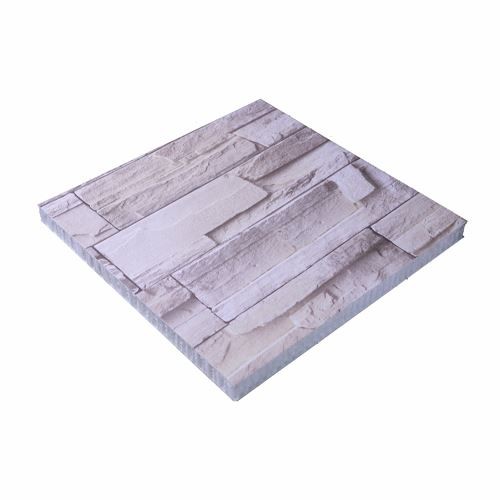
In addition to the honeycomb core, honeycomb building panels also consist of face sheets, which are bonded to the core to provide additional strength, stiffness, and protection. The choice of face sheet material depends on the specific application and requirements of the panel.
Fiberglass Reinforced Plastic (FRP) Face Sheets
FRP face sheets are a popular choice for honeycomb building panels due to their high strength, durability, and corrosion resistance. Made from a combination of fiberglass and resin, FRP face sheets offer excellent mechanical properties and can be easily molded into complex shapes. They are commonly used in applications where strength, stiffness, and weather resistance are required, such as exterior cladding, roofing, and wall panels.
FRP face sheets can be customized to meet specific design requirements, with a variety of colors, textures, and finishes available. They are also resistant to fire, chemicals, and UV radiation, making them suitable for use in harsh environments.
Wood Face Sheets
Wood face sheets are a traditional and aesthetically pleasing choice for honeycomb building panels. Wood offers a warm, natural look and feel, and can be easily stained or painted to match any design scheme. It is commonly used in interior design applications, such as furniture, cabinetry, and wall panels.
Wood face sheets can be made from a variety of wood species, each with its own unique properties and characteristics. Hardwoods, such as oak, maple, and cherry, are known for their strength, durability, and beautiful grain patterns. Softwoods, such as pine, spruce, and cedar, are lighter and more affordable, but may not be as strong or durable as hardwoods.
Metal Face Sheets
Metal face sheets are a popular choice for honeycomb building panels due to their strength, durability, and modern aesthetic. Metals such as steel, aluminum, and stainless steel offer excellent mechanical properties and can be easily fabricated into a variety of shapes and sizes. They are commonly used in exterior cladding, roofing, and wall panels, where strength, stiffness, and weather resistance are required.
Metal face sheets can be finished with a variety of coatings, such as paint, powder coating, or anodizing, to enhance their appearance and protect them from corrosion. They are also resistant to fire, chemicals, and UV radiation, making them suitable for use in harsh environments.
The Adhesive: Bonding the Layers Together
The final component of honeycomb building panels is the adhesive, which is used to bond the honeycomb core to the face sheets. The choice of adhesive depends on the specific materials being bonded and the application requirements of the panel.
Epoxy Adhesive
Epoxy adhesives are a popular choice for bonding honeycomb cores to face sheets due to their high strength, durability, and chemical resistance. Epoxy adhesives are two-part adhesives that consist of a resin and a hardener. When mixed together, the resin and hardener react to form a strong, permanent bond.
Epoxy adhesives offer excellent adhesion to a variety of materials, including thermoplastics, metals, and wood. They are also resistant to many chemicals, making them suitable for use in harsh environments. Additionally, epoxy adhesives have a long working time, allowing for easy application and assembly.
Polyurethane Adhesive
Polyurethane adhesives are another widely used adhesive for bonding honeycomb cores to face sheets. Polyurethane adhesives are one-part adhesives that cure when exposed to moisture in the air. They offer excellent adhesion to a variety of materials, including thermoplastics, metals, and wood.
Polyurethane adhesives are flexible and have good impact resistance, making them suitable for applications where vibration and movement are expected. They are also resistant to many chemicals, making them suitable for use in harsh environments. Additionally, polyurethane adhesives have a fast curing time, allowing for quick assembly and production.
Conclusion
In conclusion, honeycomb building panels are a versatile and innovative solution for a wide range of construction and architectural applications. The materials used in their manufacture, including honeycomb cores, face sheets, and adhesives, are carefully selected for their specific properties and applications. As a leading supplier of honeycomb building panels, I am committed to providing high-quality products that meet the needs of our customers.
If you are interested in learning more about our honeycomb building panels or would like to discuss your specific requirements, please do not hesitate to contact us. Our team of experts is available to answer your questions and provide you with the information you need to make an informed decision. We look forward to working with you to create the perfect solution for your next project.
References
- "Honeycomb Structures: Design, Manufacturing, and Applications." Edited by S. V. Hoa and T. N. Nguyen. Woodhead Publishing, 2013.
- "Advanced Honeycomb Composites: Materials, Manufacturing, and Applications." Edited by S. V. Hoa and T. N. Nguyen. Woodhead Publishing, 2017.
- "Handbook of Honeycomb Sandwich Structures." Edited by S. V. Hoa and T. N. Nguyen. CRC Press, 2019.