

As a supplier of PP honeycomb panels, one of the most frequently asked questions I encounter is whether these panels are waterproof. This question is crucial for potential buyers, especially those considering using PP honeycomb panels in applications where exposure to water is a concern. In this blog, I will delve into the waterproof properties of PP honeycomb panels, exploring their structure, material characteristics, and real - world performance.
Understanding PP Honeycomb Panels
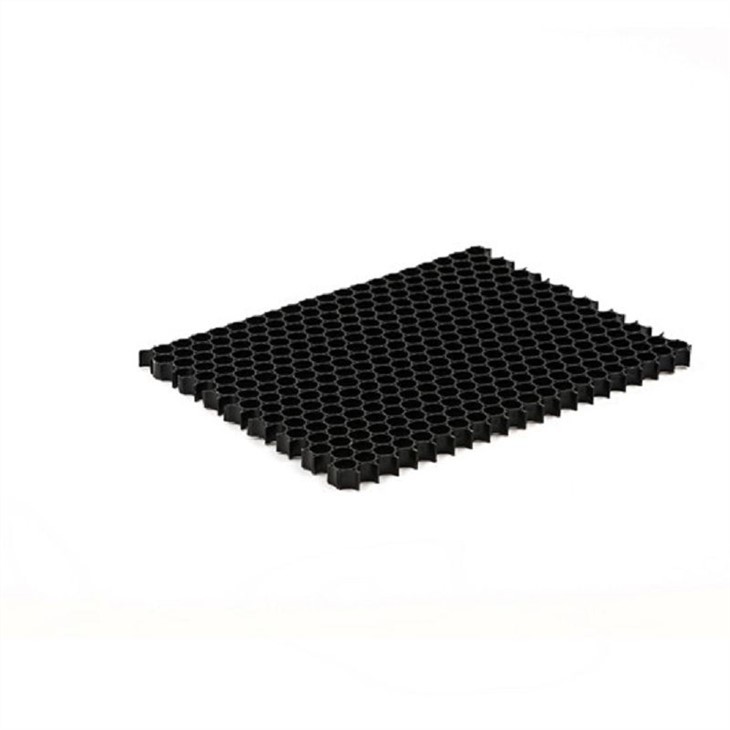
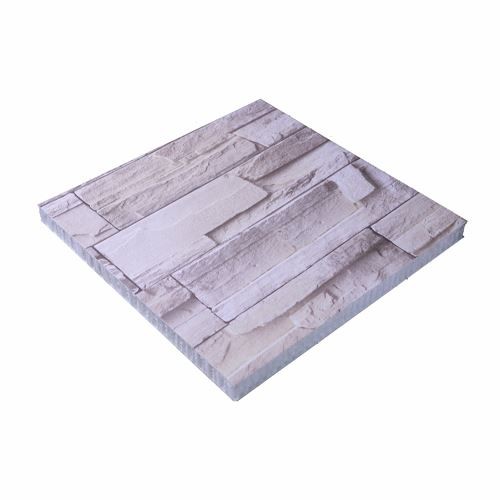
PP honeycomb panels are made from polypropylene (PP), a thermoplastic polymer known for its versatility and durability. The unique honeycomb structure of these panels consists of a series of hexagonal cells sandwiched between two outer layers. This design not only provides excellent strength - to - weight ratio but also offers several other benefits, such as insulation and impact resistance.
The Thermoplastic Honeycomb Core used in these panels is what gives them their distinctive properties. Polypropylene is inherently resistant to many chemicals, including water. It has a low moisture absorption rate, which means it does not readily absorb water like some other materials.
The Waterproof Nature of Polypropylene
Polypropylene is a hydrophobic material, which means it repels water. When water comes into contact with a PP honeycomb panel, it tends to bead up and roll off the surface rather than being absorbed. This characteristic is due to the non - polar nature of the polypropylene molecules. Water molecules, being polar, do not interact well with the non - polar polypropylene, resulting in poor adhesion between the two.
In laboratory tests, polypropylene has been shown to have a very low water absorption rate. For example, under normal conditions, the water absorption of polypropylene can be as low as 0.01% - 0.03%. This low absorption rate indicates that PP honeycomb panels can maintain their structural integrity even when exposed to water for extended periods.
Real - World Applications and Waterproof Performance
PP honeycomb panels are used in a wide range of applications where waterproofing is essential. One of the most common applications is in the construction industry. Honeycomb - building - panels are often used for roofing, wall cladding, and partition walls. In these applications, the panels are exposed to rain, snow, and humidity.
In roofing applications, PP honeycomb panels can effectively prevent water from penetrating into the building. Their waterproof nature ensures that the interior of the building remains dry, protecting the contents and the structural integrity of the building. The panels can also withstand the expansion and contraction caused by temperature changes without losing their waterproof properties.
Another application is in the marine industry. PP honeycomb panels are used for boat interiors, decking, and partitions. In a marine environment, the panels are constantly exposed to saltwater, which can be highly corrosive to many materials. However, the waterproof and corrosion - resistant properties of polypropylene make PP honeycomb panels an ideal choice for these applications. They can resist the effects of saltwater, preventing damage to the boat's structure and ensuring a long service life.
Factors Affecting Waterproof Performance
While PP honeycomb panels are generally waterproof, there are some factors that can affect their waterproof performance. One of the main factors is the quality of the panel's manufacturing. If the panels are not properly sealed or if there are defects in the honeycomb structure, water may be able to penetrate into the panel.
The installation method also plays a crucial role. If the panels are not installed correctly, for example, if there are gaps between the panels or if the joints are not properly sealed, water can seep through. It is important to follow the manufacturer's installation instructions carefully to ensure the best waterproof performance.
Environmental factors can also have an impact. Extreme temperatures, UV radiation, and mechanical stress can all affect the panel's waterproof properties over time. For example, prolonged exposure to UV radiation can cause the polypropylene to degrade, reducing its waterproof performance. To mitigate these effects, some manufacturers offer panels with UV - resistant coatings.
Maintenance for Long - Term Waterproofing
To ensure the long - term waterproof performance of PP honeycomb panels, proper maintenance is required. Regular inspections should be carried out to check for any signs of damage or wear. If any defects are found, they should be repaired immediately to prevent water from penetrating the panel.
Cleaning the panels regularly can also help maintain their waterproof properties. Dirt and debris can accumulate on the surface of the panels, which can trap moisture and potentially lead to water damage. Using a mild detergent and water to clean the panels can remove any dirt and keep the surface clean.
Conclusion
In conclusion, PP honeycomb panels are indeed waterproof. Their polypropylene material and unique honeycomb structure give them excellent waterproof properties, making them suitable for a wide range of applications where exposure to water is a concern. However, to ensure the best performance, it is important to consider factors such as manufacturing quality, installation method, and maintenance.
If you are interested in purchasing PP honeycomb panels for your project, I encourage you to contact us for more information. We can provide you with detailed product specifications, samples, and professional advice to help you make the right choice for your specific needs.
References
- "Polypropylene: Properties, Processing, and Applications" by A. Ajji and R. A. Shanks
- "Honeycomb Structures: Design, Manufacture, and Applications" by M. F. Ashby and D. Cebon