

Humidity is a crucial environmental factor that can significantly influence the performance and properties of various materials, including PP (polypropylene) honeycomb core. As a supplier of PP honeycomb core, I have witnessed firsthand how humidity can impact this versatile product. In this blog, we will delve into the ways humidity affects PP honeycomb core and why understanding these effects is essential for both suppliers and users.
1. Moisture Absorption and Swelling
PP honeycomb core is generally considered to have low moisture absorption due to the hydrophobic nature of polypropylene. However, it is not completely immune to the effects of humidity. When exposed to high - humidity environments, the PP honeycomb core can absorb a small amount of moisture over time.
The absorbed moisture causes the polypropylene molecules to expand slightly, leading to swelling of the honeycomb core. This swelling can have several consequences. Firstly, it can affect the dimensional stability of the honeycomb core. If the core is used in applications where precise dimensions are critical, such as in the manufacturing of Thermoplastic Honeycomb Core, the swelling due to humidity can lead to misalignments and fitting issues.
Secondly, the swelling can also impact the mechanical properties of the honeycomb core. As the material expands, the internal structure of the honeycomb may be distorted, reducing its overall strength and stiffness. This can be a significant concern in load - bearing applications, such as in the construction of Honeycomb - building - panels, where the honeycomb core needs to withstand significant forces.
2. Impact on Adhesive Bonding
In many applications, PP honeycomb core is bonded to other materials using adhesives. Humidity can have a profound effect on the adhesive bonding process and the long - term integrity of the bond.
High humidity can interfere with the curing process of adhesives. Most adhesives rely on chemical reactions to cure and form a strong bond. Excess moisture in the air can slow down or even inhibit these reactions, resulting in a weaker bond between the honeycomb core and the adjacent material.
Moreover, the absorbed moisture in the PP honeycomb core can also cause the adhesive to fail prematurely. Over time, the moisture can seep into the adhesive layer, causing it to soften, degrade, or delaminate. This is particularly problematic in outdoor applications or environments with fluctuating humidity levels, where the repeated cycles of moisture absorption and desorption can accelerate the deterioration of the adhesive bond.
3. Mold and Mildew Growth
Another consequence of high humidity is the potential for mold and mildew growth on the PP honeycomb core. Although polypropylene is resistant to many forms of biological degradation, prolonged exposure to a humid and warm environment can create conditions conducive to the growth of mold and mildew.
Mold and mildew not only compromise the aesthetic appearance of the honeycomb core but can also have health implications, especially in indoor applications. Additionally, the growth of these microorganisms can weaken the structure of the honeycomb core by breaking down the polypropylene material over time. They can also cause discoloration and an unpleasant odor, which can be a major drawback for applications where the appearance and smell are important, such as in furniture or interior design.
4. Electrical Properties
In some applications, such as in the electronics industry, the electrical properties of the PP honeycomb core are important. Humidity can affect these properties in several ways.
The absorbed moisture can increase the electrical conductivity of the polypropylene material. This can be a problem in applications where electrical insulation is required, as it can lead to electrical leakage or short - circuits. Moreover, the presence of moisture can also cause corrosion of any metal components that may be in contact with the honeycomb core, further compromising the electrical performance of the overall system.
5. Prevention and Mitigation Strategies
As a supplier of PP honeycomb core, we understand the importance of providing solutions to mitigate the effects of humidity. Here are some strategies that can be employed:
- Storage and Handling: During storage, it is crucial to keep the PP honeycomb core in a dry environment with controlled humidity levels. This can be achieved by storing the product in a humidity - controlled warehouse or using desiccants to absorb excess moisture. When handling the honeycomb core, avoid exposing it to high - humidity conditions for extended periods.
- Surface Treatments: Applying surface treatments to the PP honeycomb core can enhance its moisture resistance. For example, a hydrophobic coating can be applied to the surface of the honeycomb to prevent moisture absorption. These coatings can also provide additional protection against mold and mildew growth.
- Proper Adhesive Selection: When bonding the honeycomb core to other materials, it is important to select adhesives that are specifically designed for high - humidity environments. These adhesives are formulated to cure effectively even in the presence of moisture and provide a strong and durable bond.
- Ventilation and Dehumidification: In applications where the honeycomb core is installed, proper ventilation and dehumidification systems can be used to maintain low humidity levels. This can help prevent moisture absorption, adhesive failure, and mold growth.
6. Importance of Collaboration between Suppliers and Customers
As a PP honeycomb core supplier, we believe that collaboration with our customers is essential in addressing the challenges posed by humidity. By understanding the specific requirements and applications of our customers, we can provide tailored solutions to minimize the impact of humidity on the honeycomb core.
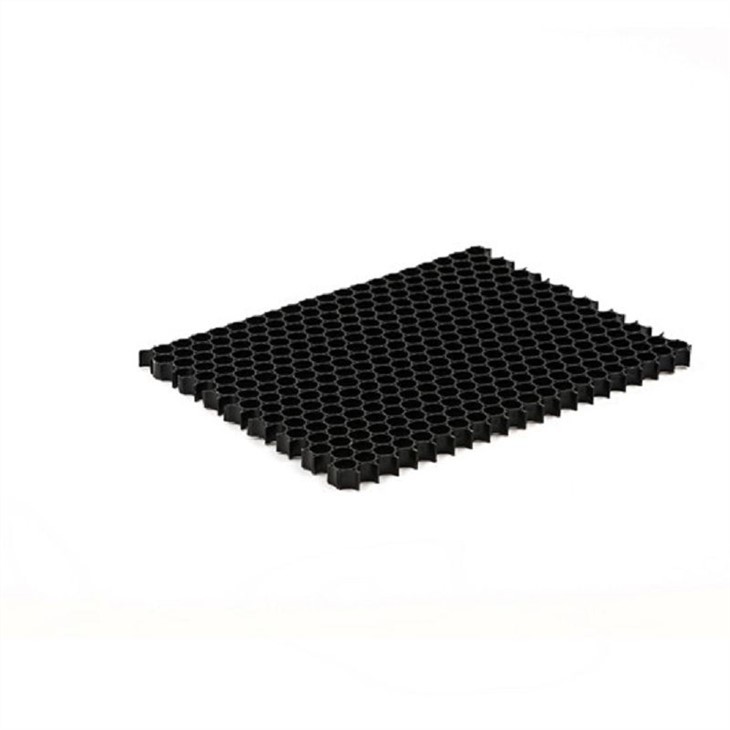
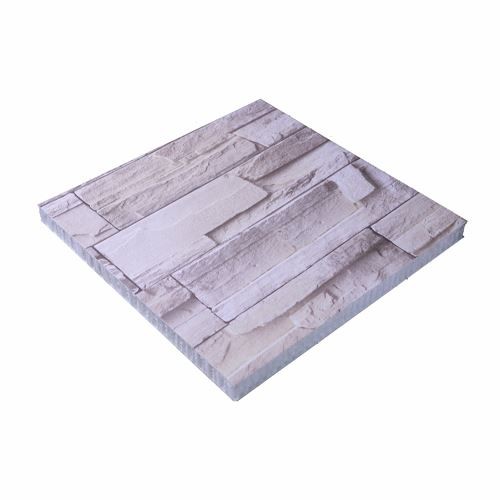
We can work with customers to select the most appropriate product based on the expected humidity levels in their environment. For example, in high - humidity applications, we may recommend a honeycomb core with a higher level of moisture resistance or a specific surface treatment.
We also offer technical support and advice on storage, handling, and installation to ensure that the honeycomb core performs optimally throughout its lifespan. By maintaining open communication channels with our customers, we can continuously improve our products and services to meet their evolving needs.
7. Conclusion
Humidity can have a wide range of effects on PP honeycomb core, from dimensional changes and reduced mechanical properties to adhesive failure and mold growth. As a supplier, we are committed to providing high - quality PP honeycomb core products and solutions that can withstand the challenges posed by humidity.
If you are in the market for PP honeycomb core and are concerned about the impact of humidity on your application, we invite you to contact us for a detailed discussion. Our team of experts can provide you with the information and support you need to make an informed decision. Whether you are involved in construction, electronics, furniture, or any other industry, we are confident that we can offer a suitable PP honeycomb core solution for your specific requirements. Let's work together to ensure the success of your projects.
References
- "Polypropylene: Properties, Processing, and Applications" by X. Meng, et al.
- "Adhesive Bonding Technology: An Introduction" by C. A. Dostal
- "Mold and Mildew: Causes, Effects, and Prevention" by R. A. Samson